Dallas is one of the clearest examples of a modern American MMA city whose identity changed because of one gym. Texas has always had fighters, tough boxing rooms, wrestling athletes, jiu-jitsu schools, and regional fight shows, but Dallas became a more visible national MMA market when Fortis MMA turned the city into a UFC-relevant training base.
Fortis is the central name in the Dallas scene. Founded by Sayif Saud and opened in 2016, the gym built its reputation quickly, going from no UFC fighters to a large roster of athletes competing at the sport’s highest level. That rise gave Dallas something every major MMA market needs: a room with enough professional density that fighters can stay sharp without constantly leaving town. The most important thing about a gym like Fortis is not just that famous fighters train there. It is that the gym creates a daily standard. A developing fighter can look across the mat and see UFC athletes drilling, sparring, cutting weight, recovering, and preparing like professionals.
The list of names associated with Fortis has given Dallas a real national footprint. Geoff Neal, Ryan Spann, Diego Ferreira, Macy Chiasson, Alonzo Menifield, Kennedy Nzechukwu, Damon Jackson, Alex Morono, Sam Hughes, and others have helped make the gym part of the UFC conversation. Some are Dallas-based, some are Texas-connected, and some have moved through the gym as part of a broader professional training circuit. Either way, the effect is the same: Dallas is no longer just a large city with scattered martial arts schools. It is a place serious MMA fans recognize as a fighter-development market.
Dallas also benefits from its regional geography. The city sits inside a state with a large combat-sports audience, a deep youth sports culture, and enough population density to support amateur MMA, boxing, kickboxing, Brazilian jiu-jitsu, and wrestling. Texas promotions such as Fury Fighting Championship have given fighters across the state a visible regional platform, and that matters for Dallas athletes trying to move from local prospect to UFC Fight Pass-level exposure. The path is not automatic, but it is clearer than it is in many American markets: train in a serious room, build an amateur record, turn professional, fight on regional cards, and try to reach LFA, Fury FC, the Contender Series, or another major feeder lane.
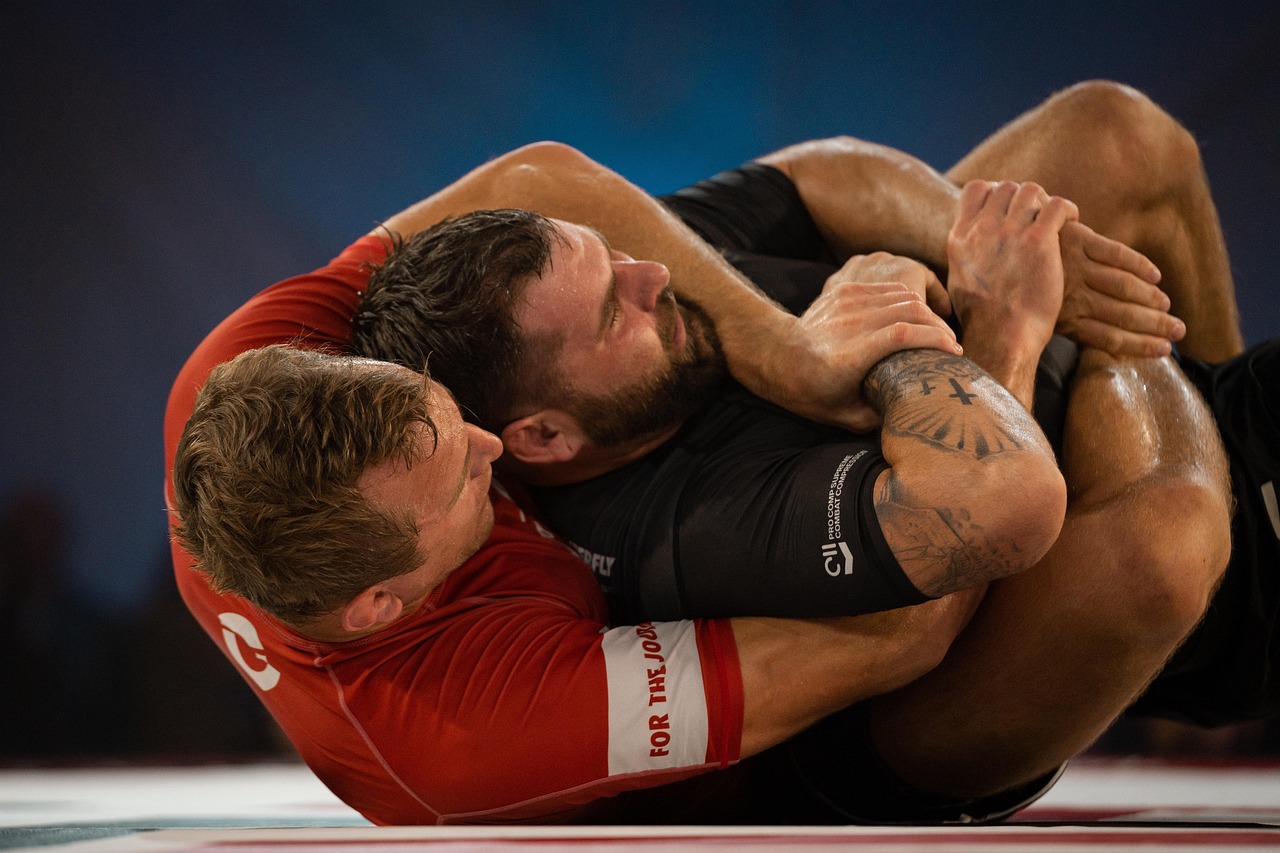
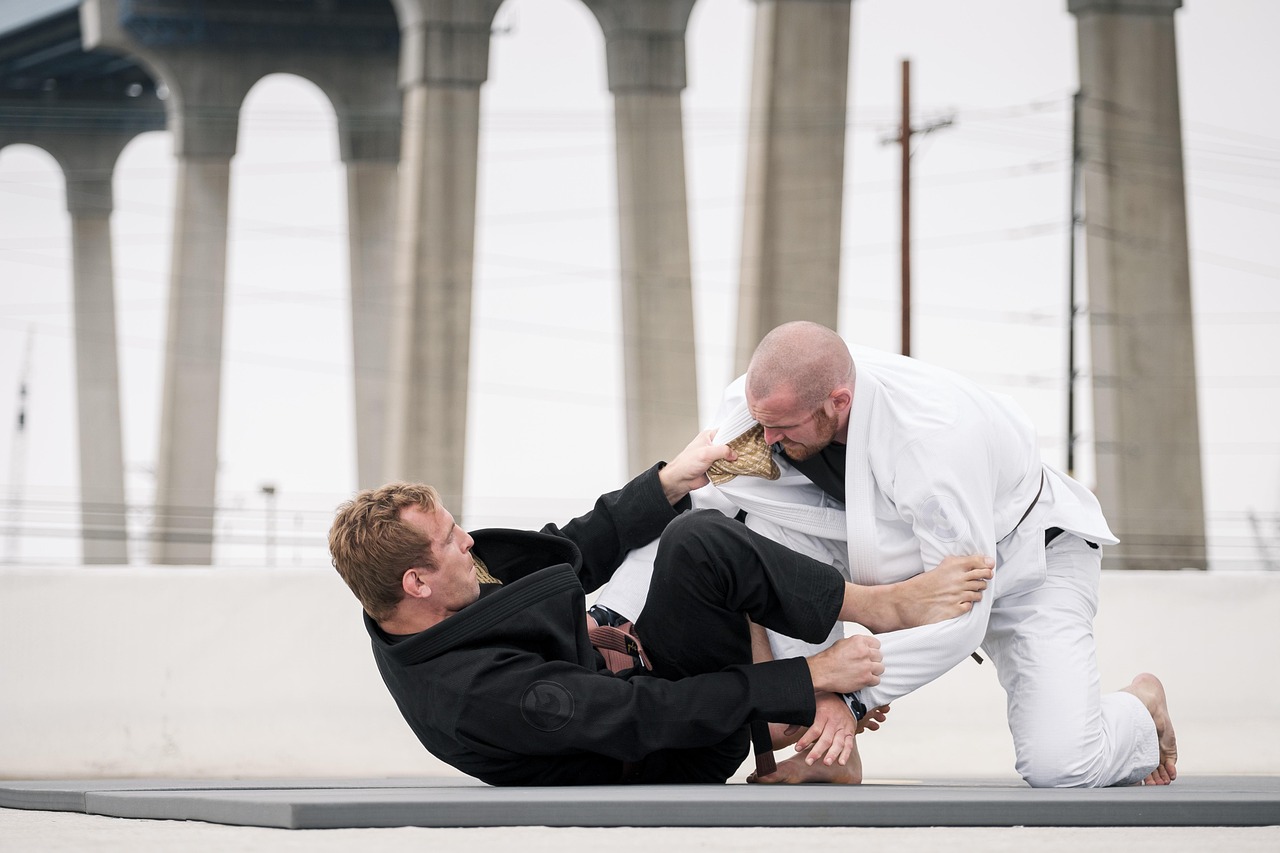
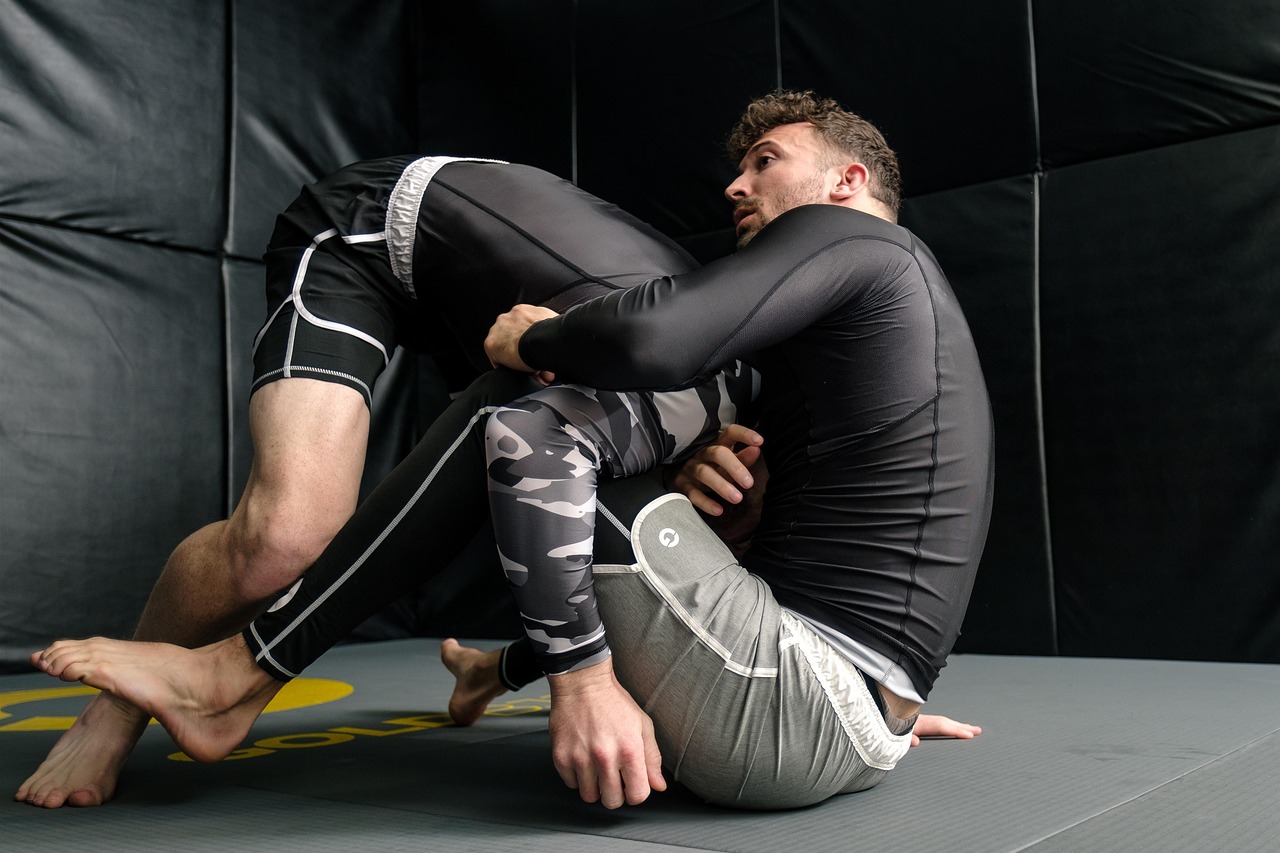
The style of Dallas MMA reflects that professional environment. Fortis fighters are often associated with conditioning, disciplined game planning, and practical phase-to-phase MMA. This is not a city whose identity depends on one inherited combat art. It is not purely a wrestling city, a jiu-jitsu city, or a striking city. Dallas MMA is modern and integrated: box enough to survive, wrestle enough to dictate terms, grapple enough to avoid bad positions, and build the gas tank to fight hard late.
The fan culture is also stronger than it used to be. Dallas has hosted major UFC events, and the wider DFW area is large enough to support both big-arena spectacles and smaller regional shows. That combination is valuable. Major events create attention, but regional cards create fighters. Dallas has both.
The long-term outlook is strong because Dallas has already crossed the most difficult threshold. It has proof of concept. Fighters can train there and reach the UFC. Coaches can build a room there and attract serious talent. Regional promoters can stage events in the broader Texas market and draw from a large athlete base. Dallas is not an emerging MMA city anymore. It is an established American training market with one of the clearest gym-led identities in the country.