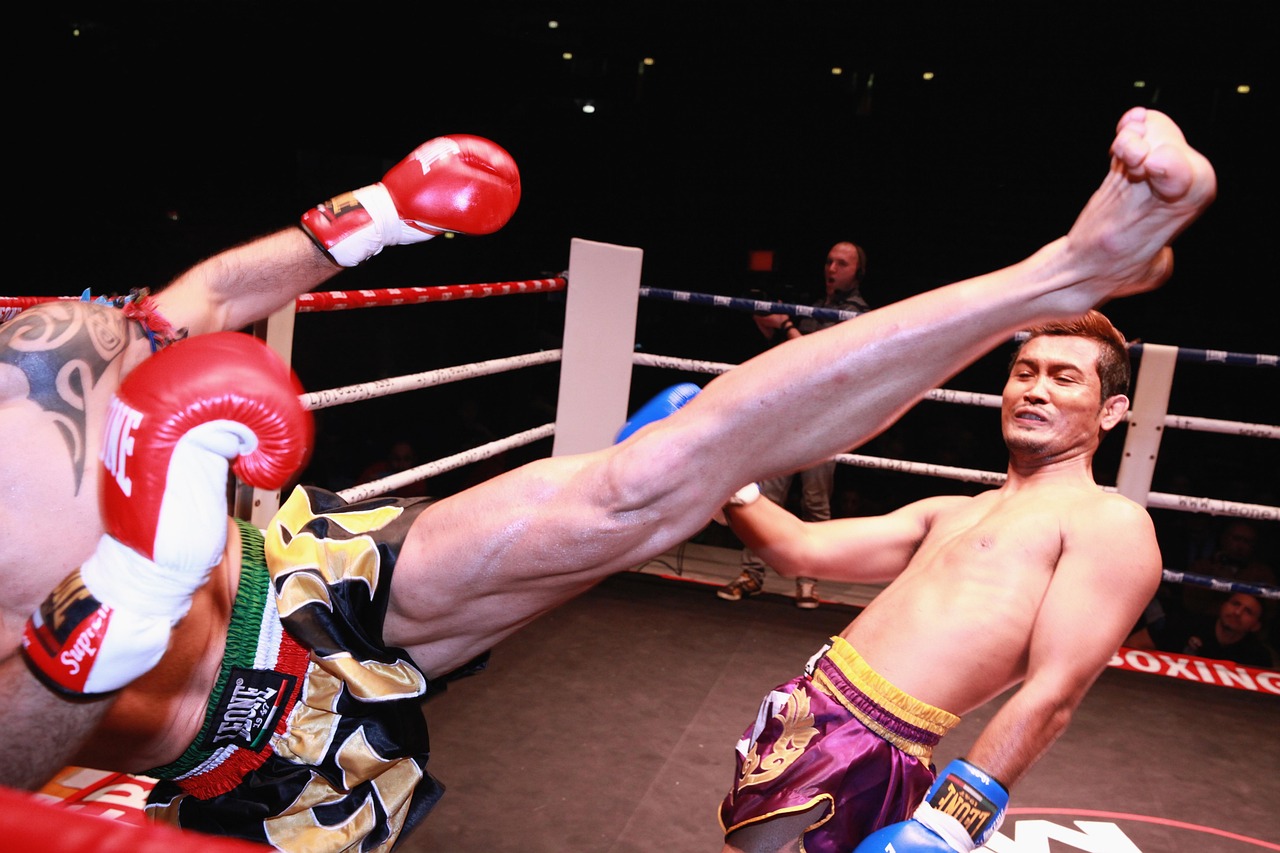
Nicaragua’s MMA identity sits in the shadow of boxing, and that is the first thing to understand. This is a country with a serious fight culture, but its combat-sports imagination has long been shaped by boxing champions, boxing gyms, and the national memory of fighters such as Alexis Argüello and Ricardo Mayorga. When the UFC profiled Leonardo Morales in 2014, it framed the challenge clearly: in Nicaragua, combat sports meant boxing first, and MMA had to fight for space inside that older tradition.
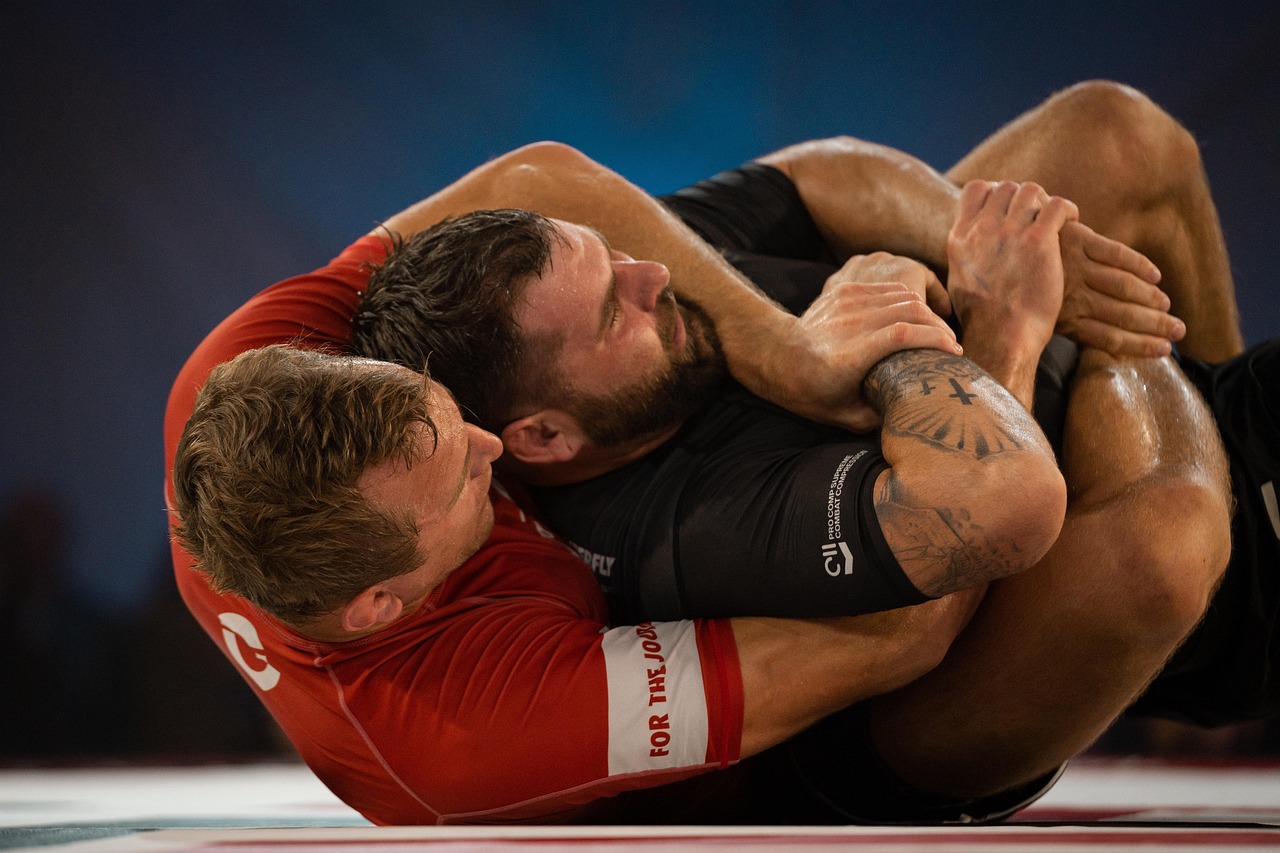
That boxing inheritance gives Nicaraguan MMA a useful foundation. Fighters from boxing countries often enter MMA with comfort under pressure, strong punching instincts, and a cultural familiarity with prizefighting. The limitation is that MMA demands far more than hands. Nicaraguan athletes need wrestling, clinch defense, Brazilian jiu-jitsu, cage positioning, and submission awareness if they want to translate local toughness into international success. The country’s MMA story is therefore not about whether Nicaragua produces fighters. It is about whether its boxing-heavy combat culture can keep expanding into complete mixed martial arts.
Leonardo Morales helped give Nicaraguan MMA an early international reference point. He became visible through The Ultimate Fighter: Latin America and represented the idea that a Nicaraguan fighter could enter a UFC-connected platform. His career did not turn Nicaragua into a major MMA exporter, but it mattered symbolically. Countries with smaller MMA scenes often need pioneers who show that international stages are possible even before the infrastructure fully matures.
More recently, Elvin Espinoza has given Nicaragua another recognizable name in professional MMA. ESPN lists Espinoza as a Nicaraguan lightweight with a 10-2 record, and his appearances in larger promotions have helped keep Nicaragua connected to the broader professional fight map. The presence of fighters like Espinoza is important because they represent the second stage of a country’s MMA development: not just one historical appearance, but a continuing pathway for athletes to compete beyond the domestic level.
Inside Nicaragua, the Nicaraguan Fighting Championship has been one of the most important structures for the sport. Tapology identifies Nicaraguan Fighting Championship as the biggest and most active MMA promotion in the country, with events centered in Nicaragua and fight cards that include local athletes. That kind of domestic promotion is essential because fighters cannot develop only through training. They need repeated competition, matchmaking, medical standards, referees, judges, and a local fan base that understands the sport.
Nicaragua’s regional position also matters. Central America is not one of the deepest MMA regions in the world, but it gives Nicaraguan fighters access to opponents from nearby countries and to Latin American circuits where Spanish-language promotion, boxing crossover audiences, and regional rivalries can help the sport grow. For many Nicaraguan fighters, the likely path is domestic competition first, regional MMA second, and then opportunities in the United States or larger Latin American promotions if their records and skill sets hold up.
The future of MMA in Nicaragua depends on whether the country can build grappling depth to match its striking culture. Boxing gives Nicaragua credibility as a fight country, but MMA development requires wrestling rooms, jiu-jitsu academies, and coaches who can blend disciplines rather than treating them separately. The country already has the competitive temperament and fan familiarity with combat sports. The next step is technical integration.
Nicaragua is not yet a major MMA nation, but it is not a blank space either. It has recognizable fighters, a domestic promotion, and a combat-sports public that already understands what fighting means. Its MMA identity is that of a boxing country gradually building a broader cage-fighting culture.