

Mongolia and the Modern Sumo Revolution
Mongolia and modern sumo are linked through a generation of champions who changed Japan’s ancient sport from the top rank down.
Mongolia and modern sumo are linked through a generation of champions who changed Japan’s ancient sport from the top rank down.

Sumo scandals and reform show how Japan’s ancient ring has had to confront abuse, gambling, match-fixing, and modern governance pressure.

Lethwei: bare-knuckle Myanmar boxing is Myanmar’s art of nine limbs, where headbutts, tradition, and knockout rules define the sport.

Roy Jones Jr. at the 1988 Olympics became a lasting symbol of boxing controversy after a disputed final reshaped his early legacy.
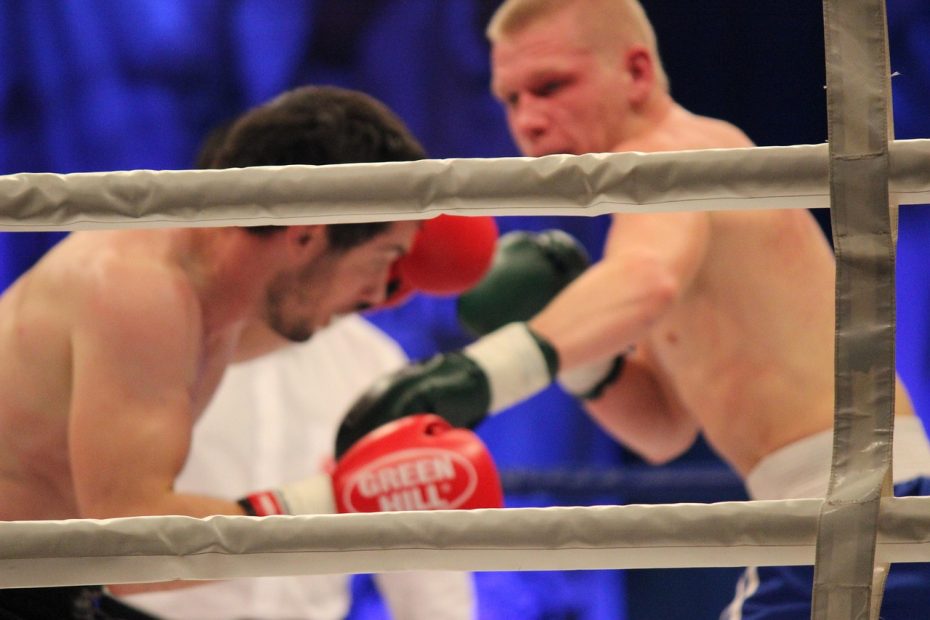
Teófilo Stevenson became Cuba’s great amateur heavyweight, winning three Olympic golds while refusing the professional path.

Félix Savón and Cuba’s Olympic boxing dynasty showed how one heavyweight champion could extend a national system’s dominance.

Cuban boxing as a state-built machine explains how a small island became one of Olympic boxing’s most productive powers.

Vasyl Lomachenko turned an unmatched amateur education into a pro career defined by footwork, angles, and boxing intelligence.

Katie Taylor and Ireland’s boxing breakthrough changed women’s boxing by turning Olympic gold into a national sporting milestone.

Claressa Shields and double Olympic gold changed American boxing by turning one historic breakthrough into a standard no U.S. boxer had reached.
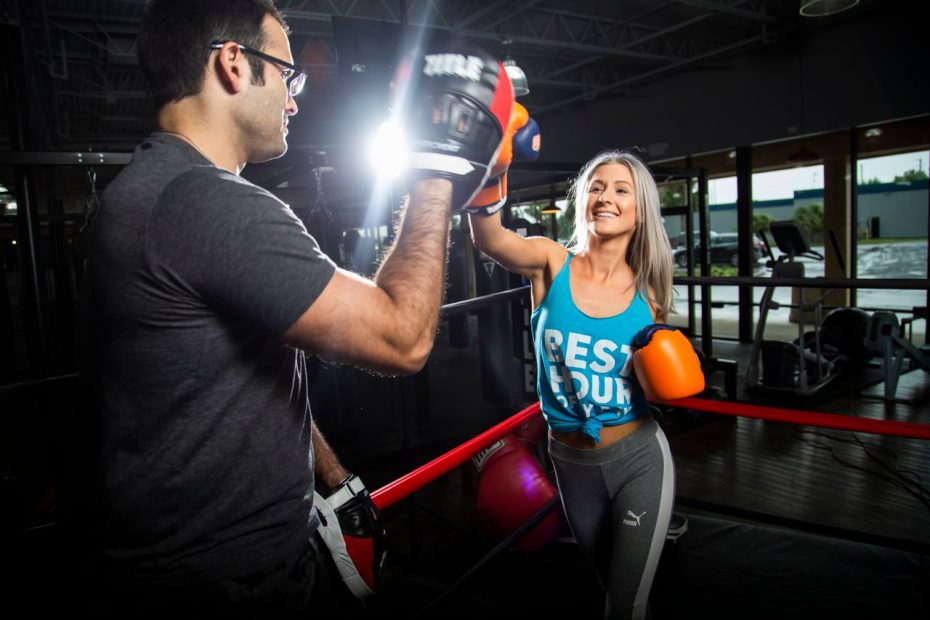
Women’s boxing entering the Olympics in 2012 gave fighters a long-denied stage and changed the sport’s global future.

Christy Martin and women’s boxing’s television breakthrough showed how one undercard fight could force the sport onto a bigger stage.