
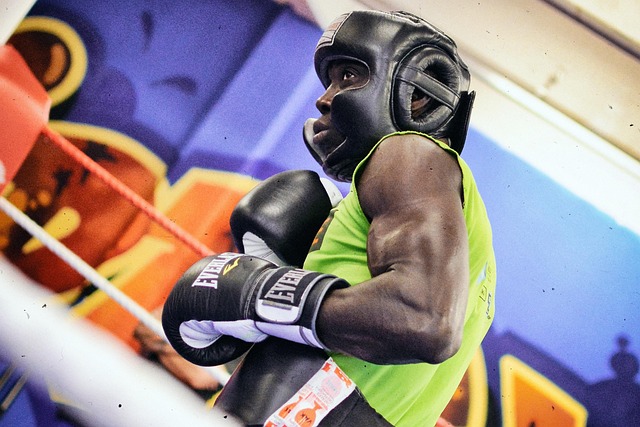
The comparison between boxing vs MMA reflects more than a difference in rule sets. It highlights two combat sports built on distinct histories, technical foundations, regulatory structures, and competitive philosophies. Both demand elite conditioning, discipline, and strategic preparation. However, the path to victory, scoring criteria, and tactical priorities differ significantly.
Boxing centers exclusively on striking with the fists under a long-established ruleset refined over more than a century. MMA, or mixed martial arts, integrates multiple combat disciplines including striking, wrestling, and submission grappling within a unified competitive framework. While both sports operate under sanctioned regulations and professional promotions, their technical demands and audience expectations diverge in meaningful ways.
Understanding boxing vs MMA requires examining technique, rules, scoring, athlete development, and career structure.
Rules and Permitted Techniques
The most obvious difference between boxing and MMA is the range of permitted techniques. Boxing allows punches above the waist, with strict rules governing clinching, knockdowns, and defensive conduct. Fighters wear padded gloves and compete over a predetermined number of rounds.
MMA permits a broader arsenal. Strikes include punches, kicks, knees, and elbows. Grappling techniques such as takedowns, submissions, and positional control are central to competition. Fights can end via knockout, submission, or judges’ decision.
Because MMA incorporates multiple martial arts disciplines, the strategic landscape is wider. Boxing restricts combat to stand-up punching exchanges. MMA expands the battlefield to include clinch work and ground fighting.
Technical Specialization
Boxing demands extreme refinement of a narrower skill set. Footwork, head movement, defensive slipping, and combination punching are honed through repetition. Precision and timing define success. Fighters focus intensely on hand speed, defensive guard discipline, and punch accuracy.
MMA fighters must develop cross-disciplinary competence. A competitor may begin with a background in wrestling or Brazilian jiu-jitsu but must integrate striking defense and offensive combinations. Conditioning must account for grappling exchanges and stand-up striking within the same bout.
The training structure reflects these differences. Boxing gyms prioritize heavy bag work, sparring rounds, and defensive drills. MMA camps incorporate wrestling sessions, submission grappling, striking practice, and situational sparring.
Scoring and Fight Dynamics
Boxing scoring emphasizes clean punches landed, ring generalship, defense, and effective aggression. Judges evaluate rounds independently, and cumulative scoring determines the winner if no knockout occurs. The pace is often measured, with fighters probing for openings over multiple rounds.
MMA scoring evaluates effective striking, grappling control, aggression, and cage control. Because the fight can transition between standing and ground positions, judges assess multiple dimensions within each round. A single takedown or submission attempt may influence scoring significantly.
Fight duration also differs. Professional boxing bouts can extend to twelve rounds. MMA championship fights typically span five rounds, with non-title bouts often scheduled for three rounds. The time structure influences pacing and conditioning strategy.
Equipment and Protective Gear
Boxing gloves are larger and more padded than MMA gloves. The increased padding protects hands and slightly reduces the frequency of cuts, though concussive impact remains significant. Fighters wear standard boxing attire without protective headgear in professional competition.
MMA gloves are smaller, allowing finger mobility for grappling. The reduced padding changes defensive dynamics and can increase the likelihood of cuts from strikes. Fighters compete in shorts, enabling movement and submission attempts without restrictive clothing.
The equipment differences affect striking style and defensive posture. Boxing guards are optimized for punch defense. MMA stances often adjust to account for potential takedowns.
Career Structure and Promotions
Professional boxing operates through sanctioning bodies that recognize champions across multiple weight divisions. Fighters negotiate individual bout contracts, often managed by promoters and advisors. Multiple champions may exist simultaneously within a division due to separate sanctioning organizations.
MMA operates primarily through promotional organizations that sign fighters to multi-fight contracts. Championships are promotion-specific. Rankings and title shots depend on performance within that organization.
The promotional models influence matchmaking and visibility. Boxing features standalone marquee events often centered around high-profile fighters. MMA promotions typically schedule event cards featuring multiple bouts under a unified brand.
Athlete Development Pathways
Boxers often develop through amateur circuits before turning professional. Olympic competition has historically served as a stepping stone. Extensive amateur experience builds ring discipline and tactical awareness.
MMA athletes may transition from collegiate wrestling, Brazilian jiu-jitsu tournaments, or striking disciplines. Amateur MMA provides developmental competition before professional licensing. Because the sport is newer, development pathways continue to evolve.
Weight class systems exist in both sports to promote competitive balance. However, weight cutting strategies and preparation timelines may differ based on regulatory structures.
Physical Demands and Conditioning
Boxing emphasizes sustained upper-body output, footwork endurance, and defensive awareness over long rounds. Fighters must maintain punching volume while managing fatigue.
MMA conditioning must account for explosive grappling exchanges, defensive wrestling, and transitions between striking and ground control. Energy expenditure can fluctuate dramatically within a single round.
Both sports demand exceptional cardiovascular conditioning and resilience. The nature of exertion varies based on permitted techniques and pacing.
Cultural and Global Reach
Boxing has a longer global history, with deep cultural roots across multiple continents. It has produced iconic champions and international governing frameworks spanning decades.
MMA’s global growth accelerated in the late twentieth and early twenty-first centuries. Unified rules, sanctioned events, and international promotions have expanded its audience rapidly.
Fan expectations differ accordingly. Boxing audiences often value technical precision and legacy matchups. MMA audiences are drawn to stylistic contrasts and multi-discipline strategy.
Conclusion: Distinct Combat Systems
The comparison of boxing vs MMA is not about superiority but about structural design. Boxing refines striking into a highly specialized sport with defined traditions. MMA integrates multiple martial arts into a comprehensive combat system with broader tactical scope.
Both demand elite preparation, disciplined strategy, and professional governance. The key differences lie in technique diversity, scoring emphasis, promotional models, and competitive structure. Understanding these distinctions clarifies why boxing and MMA coexist as separate, highly respected combat sports.