Kansas City’s MMA identity is pure Midwest: practical, gym-driven, regional, and built around fighters who earn their way through hard local circuits before getting bigger opportunities. It is not Las Vegas, Southern California, South Florida, or Dagestan. It does not sell itself as a destination camp for the global elite. Its value is different. Kansas City is a development market where wrestling, boxing, jiu-jitsu, toughness, and regional matchmaking create fighters who are comfortable in difficult rooms and difficult fights.
The city sits in a useful combat-sports geography. It draws from both Missouri and Kansas, and the wider Kansas-Missouri region has long had an active local MMA calendar. That matters because regional MMA is where most fighters are actually made. Before a prospect becomes a UFC name, they usually need amateur fights, small professional cards, short-notice matchups, travel weekends, commission paperwork, and opponents who are trying to take the same next step. Kansas City has access to that ecosystem.
Shamrock Fighting Championships has been one of the important regional promotions serving the market, with events tied to Kansas City as well as other Missouri venues. Promotions like Shamrock matter because they provide the middle layer between the gym and the national stage. Without that layer, local fighters either stay in the training room too long or are forced into poorly matched opportunities. A steady regional show gives prospects a place to build records, test skill sets, and learn how to perform under lights.
Kansas City has also been associated with UFC-level fighters and coaches. Zak Cummings, Tim Elliott, Jason High, and Jeff Molina have all been connected to the area’s MMA conversation in different ways. Cummings brought a long UFC career and a strong grappling base. Elliott, a former UFC flyweight title challenger, represented the scrambly, relentless, wrestling-heavy style often associated with the region. High, nicknamed “The Kansas City Bandit,” gave the city another recognizable veteran with major-promotion experience.
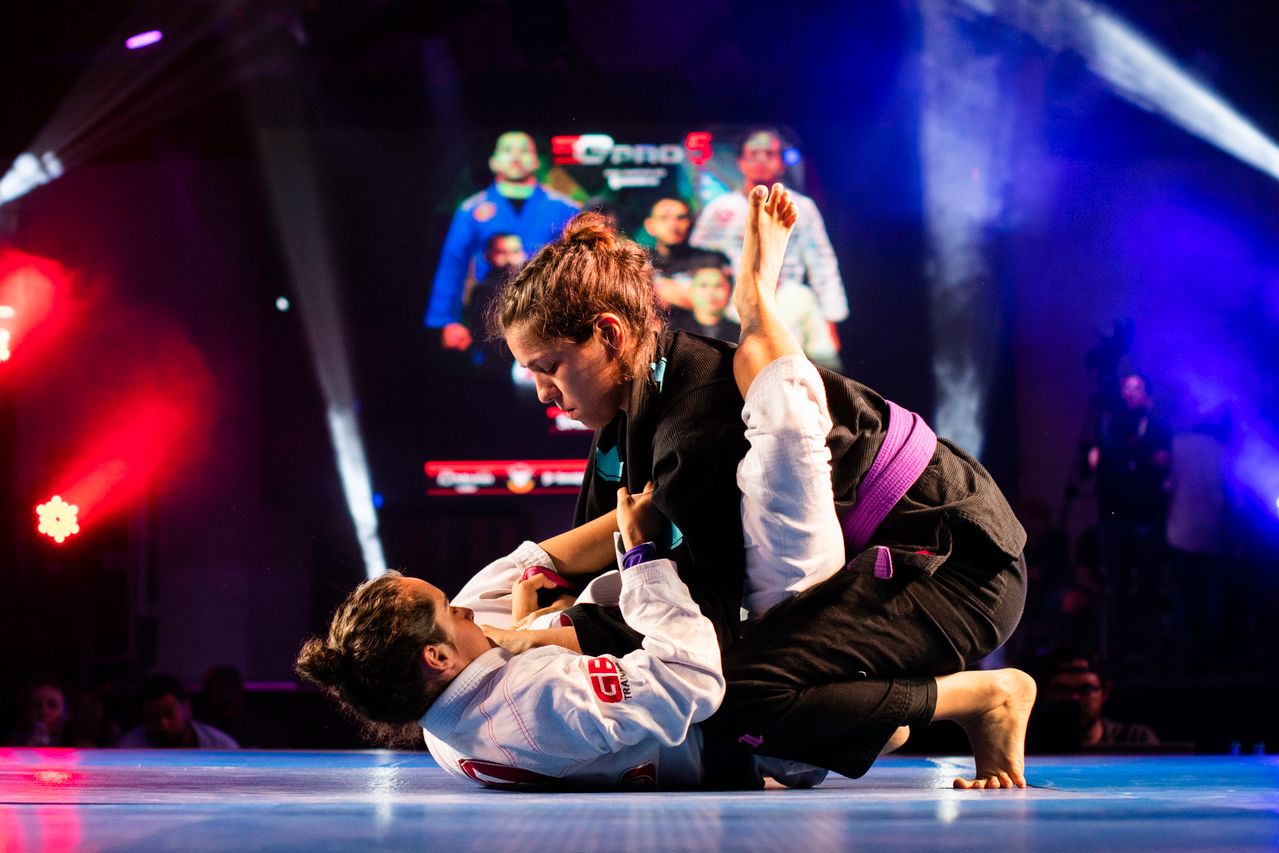
For years, Glory MMA and Fitness was one of the most visible names attached to Kansas City MMA, though the local scene is broader than any single gym. The city’s best training culture has generally been built around cross-training: wrestling rooms, boxing coaches, jiu-jitsu academies, MMA-specific sparring, and fighters moving between local teams to find rounds. That is typical of strong mid-sized MMA markets. The ecosystem is not always polished, but it can produce fighters who are adaptable because they have had to build their games from multiple sources.
The Kansas City style is often more functional than flashy. Fighters from this kind of market tend to be comfortable in scrambles, clinch exchanges, and attritional fights. They are not always specialists in one glamorous discipline, but the best of them understand how to win rounds, survive bad positions, and keep pressure on opponents who prefer cleaner space. That is the Midwest fingerprint.
The city’s biggest limitation is national visibility. Kansas City can produce capable fighters, but it has to compete for attention with larger American MMA hubs that attract more media, more managers, more high-profile sparring partners, and more frequent scouting. For local athletes, the route often means winning regionally, traveling well, and using every major opportunity efficiently.
Kansas City MMA is not a novelty scene. It is a serious regional fight market with proven names, active promotions, and a practical training culture. Its identity comes from development rather than glamour, and that is exactly why it fits the sport.