Ronda Rousey and the women’s UFC breakthrough are inseparable because her rise changed what the world’s biggest MMA promotion believed women’s fighting could become. Before Rousey entered the UFC, women’s MMA already had elite athletes, real rivalries, and serious champions, but it did not yet have a permanent place on the sport’s largest stage. Rousey brought Olympic judo credibility, a finishing style built around the armbar, and the kind of competitive presence that made hesitation harder to defend. Her arrival did not create women’s MMA by itself. It forced the UFC to recognize that women’s MMA was ready for the main event.
Why the UFC Had No Women’s Division to Build Around
For years, the UFC grew without a women’s division. Women fought in other organizations, including Strikeforce, where athletes such as Gina Carano, Cris Cyborg, Miesha Tate, Marloes Coenen, and Ronda Rousey helped prove there was an audience for high-level women’s MMA. The talent existed before the UFC committed to it. The missing piece was promotional belief.
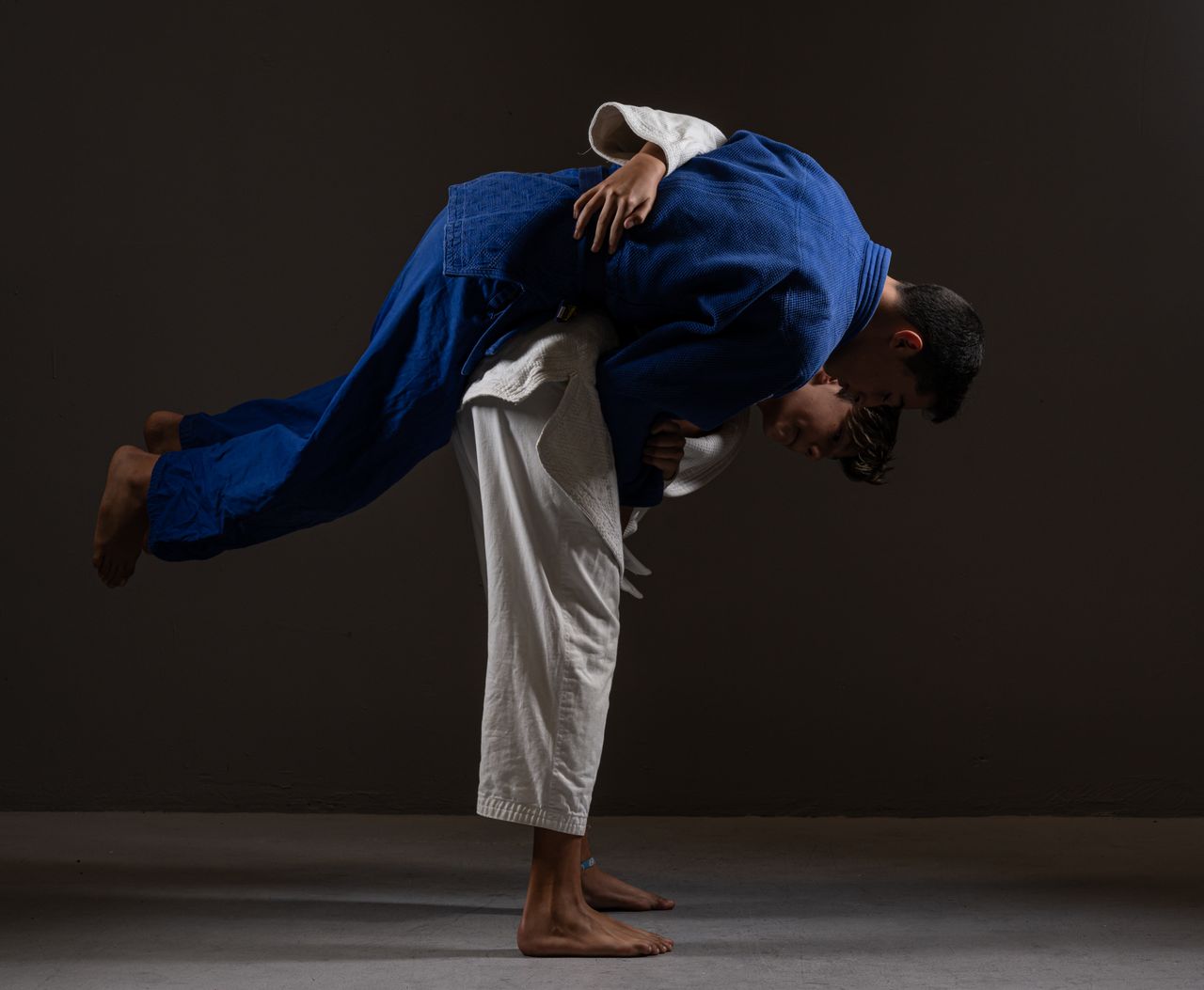
That changed as Rousey’s profile rose. She had won an Olympic bronze medal in judo in 2008, giving her a combat-sports background that separated her from many early MMA stars. When she moved into MMA, she carried that grappling base with unusual clarity. Her fights were not long tactical puzzles. They became fast, direct demonstrations of a specific threat: if Rousey could close distance, take an arm, and control the scramble, the fight could end almost immediately.
Her rivalry with Miesha Tate gave the story emotional and competitive shape. Their Strikeforce title fight in 2012 gave women’s MMA a major spotlight before the UFC opened its own division. Rousey won that fight by armbar and became the Strikeforce women’s bantamweight champion. By then, the question was no longer whether women could fight at an elite level. The question was whether the UFC would keep pretending its biggest stage did not need them.
Ronda Rousey and the Women’s UFC Breakthrough
Ronda Rousey became the UFC’s first women’s champion when the promotion added the women’s bantamweight division. Her first UFC fight came against Liz Carmouche at UFC 157 in 2013, and the placement mattered. This was not a hidden experiment low on a card. Rousey and Carmouche headlined the event, making it the first women’s fight in UFC history and the first women’s bout to close a UFC pay-per-view.
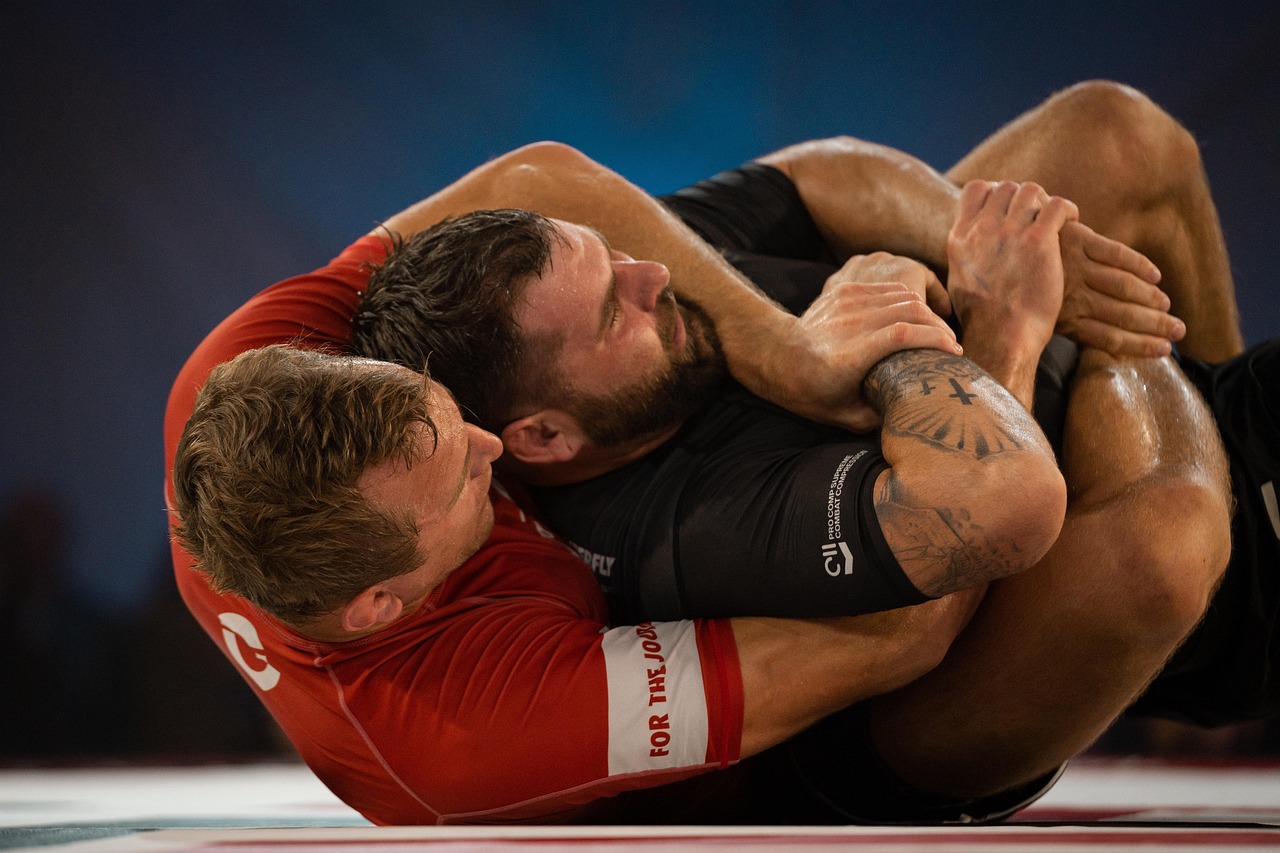
The fight carried pressure that went beyond one title defense. Rousey was not only defending a belt. She was carrying the proof of concept for an entire division. Carmouche made the fight dangerous early, threatening Rousey’s back and testing the champion in a way that gave the moment real competitive tension. Rousey survived, adjusted, and eventually finished the fight with the armbar that had already become her signature.
That win confirmed what her rise had already suggested: women’s MMA could sell, headline, and deliver. Rousey’s armbar streak became one of the UFC’s most recognizable stories. Her fights against Tate, Sara McMann, Alexis Davis, Cat Zingano, and Bethe Correia built her into one of the promotion’s biggest stars. The speed of those finishes helped define her aura, but the larger breakthrough was structural. Once women had headlined successfully, the UFC could not go back to treating women’s divisions as an outside idea.
How Rousey Changed the UFC’s Future
Rousey’s legacy is not limited to her record or her title defenses. Her most important impact is that she changed the UFC’s sense of what was possible. After her breakthrough, women’s divisions became part of the promotion’s core identity. Fighters such as Amanda Nunes, Holly Holm, Valentina Shevchenko, Joanna Jędrzejczyk, Rose Namajunas, Zhang Weili, Cris Cyborg, and others built their own championship stories inside a space that had once been closed.
Her loss to Holly Holm in 2015 also became part of that legacy. It ended Rousey’s aura of invincibility, but it did not undo the breakthrough. In some ways, it proved the division had grown beyond one figure. Holm’s win became a major moment because Rousey had already made the championship matter. Nunes later became one of the greatest fighters in MMA history by beating Rousey and many of the other defining names of the era.
That is the lasting meaning of Ronda Rousey and the women’s UFC breakthrough. Rousey was not the only important woman in MMA, and she was not the final standard. She was the fighter who forced the largest promotion in the sport to open the door at the highest level.
Ronda Rousey’s rise changed the UFC because it turned women’s MMA from an argument into a main-event reality. The sport had already produced serious fighters before she arrived, but her dominance, visibility, and timing forced the breakthrough. What followed was bigger than one champion: an entire era of women’s MMA built on the stage she helped open.