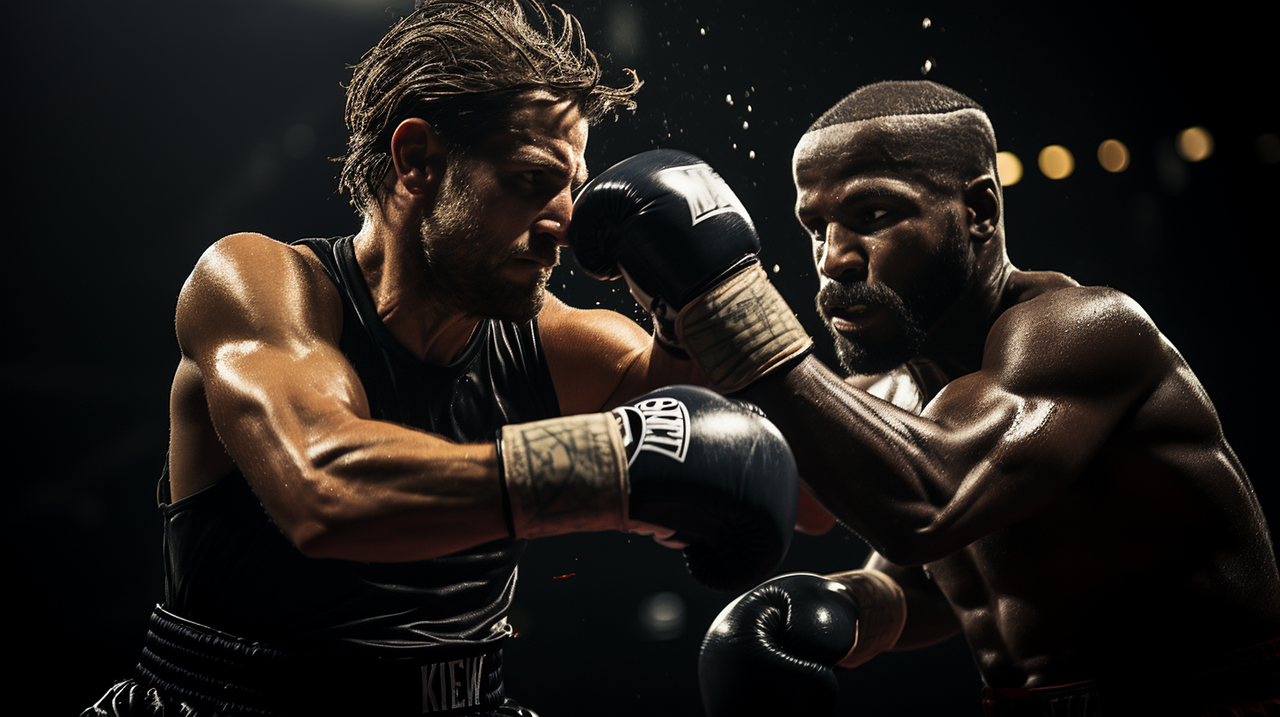
Khabib Nurmagomedov and Dagestan wrestling became one of the defining connections in modern MMA because his dominance did not look like a single athlete’s success story. It looked like the arrival of a system. Khabib brought sambo, wrestling, control, discipline, and relentless positional pressure from Dagestan into the UFC, then used those tools to become lightweight champion and retire undefeated. His style mattered because it showed that elite grappling was not only about takedowns or submissions. It was about exhaustion, cage control, wrist rides, mat returns, and making opponents fight from positions where every choice made the next minute worse.
How Dagestan Became a Grappling Powerhouse
Dagestan’s place in combat sports did not begin with Khabib Nurmagomedov. The region has long been tied to wrestling, sambo, judo, and other grappling traditions, shaped by local competition, demanding training environments, and a culture where combat sports carry social weight. For many young athletes, wrestling is not a hobby added onto school life. It is part of the sporting structure around them.
That background matters because Khabib’s rise was not built from one isolated skill. He entered MMA with years of grappling habits already formed: balance, pressure, hand fighting, body locks, chain wrestling, and a comfort with physical resistance that made the cage feel like familiar territory. Dagestan wrestling gave him a foundation that translated unusually well to mixed martial arts because it was not just technical. It was positional, patient, and deeply practical.
The UFC had already seen great wrestlers before Khabib arrived. American collegiate wrestlers, Olympic wrestlers, Brazilian jiu-jitsu specialists, and sambo fighters had all shaped the sport. What made Khabib different was the way he blended those worlds into a suffocating style. He did not simply take opponents down. He kept them down, moved them, trapped them, and turned defensive moments into long stretches of survival.
Khabib Nurmagomedov and Dagestan Wrestling Inside the Cage
Khabib Nurmagomedov and Dagestan wrestling became inseparable because his biggest fights showed the same pattern again and again. Opponents entered with striking plans, distance-management ideas, and hopes of forcing a clean kickboxing match. Khabib’s answer was to remove space. Once he closed distance, the fight became a different sport.
His pressure was layered. Against the fence, he used body locks, trips, singles, doubles, and mat returns to make standing up feel temporary. On the ground, he controlled wrists, pinned legs, advanced position, and struck without rushing. His opponents were not only losing rounds. They were losing energy, posture, and time.
That is why his victories over elite lightweights carried so much meaning. Khabib did not dominate because opponents lacked skill. He dominated skilled opponents by making their best tools difficult to access. Strikers had less room to strike. Grapplers had to defend before they could attack. Fighters who wanted rhythm were forced into resistance. Every exchange seemed to pull them deeper into his preferred fight.
His win over Conor McGregor made the style famous to a wider audience, but the pattern had been visible long before that. Khabib’s unbeaten record became a reflection of consistency. The method was not mysterious by the end. Opponents knew what he wanted. Stopping it was the problem.
Why Khabib’s Style Still Shapes Modern MMA
Khabib’s legacy is not only that he retired unbeaten. It is that he helped make Dagestan wrestling a central reference point in modern MMA. After his rise, fans, coaches, and fighters paid closer attention to the region’s training systems and to the athletes following similar paths. Islam Makhachev, other Dagestani fighters, and a wider wave of grappling-heavy competitors reinforced the idea that Khabib was not an accident. He was the most visible proof of a larger fighting culture.
His influence also changed how people talk about wrestling in MMA. The conversation moved beyond takedown numbers. Khabib made control itself feel offensive. Fence wrestling, wrist control, top pressure, mat returns, and ground-and-pound became part of a broader language of dominance. The goal was not just to score. The goal was to make the opponent carry the cost of every position.
That is why his style remains so important. Khabib showed that pressure could be more than aggression. It could be structure. It could be discipline. It could be a complete tactical identity.
Khabib Nurmagomedov and Dagestan wrestling still matter because they changed the standard for grappling in MMA. His career showed how regional training culture could become a global blueprint. The result was not just an undefeated champion, but a model of pressure fighting that future fighters still have to study, answer, and survive.