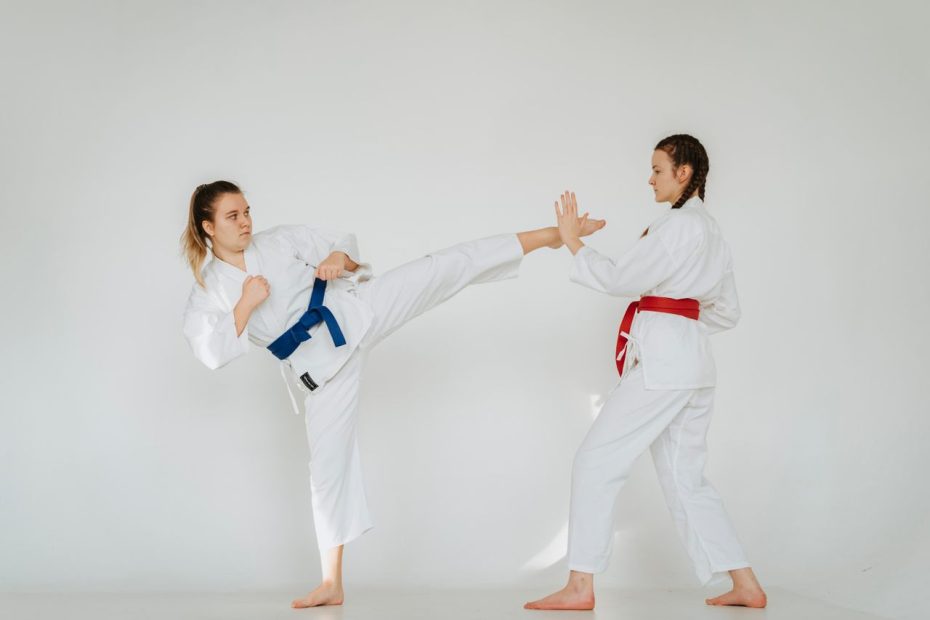
Taekwondo’s Olympic rise matters because it shows how a national martial art became an international combat sport without losing its Korean identity. Built around speed, kicking technique, discipline, and formal competition, taekwondo entered the Olympic imagination through South Korea’s push to present the sport on the world stage. Its path from demonstration event to medal sport changed how athletes trained, how nations invested, and how the sport was judged by global audiences. The Olympic platform gave taekwondo visibility far beyond dojangs and national federations, but it also forced the sport to adapt. That balance between tradition, modern rules, and international spectacle is what makes taekwondo’s Olympic story so important.
How Taekwondo’s Olympic Rise Began in South Korea
Taekwondo’s modern identity is closely tied to South Korea’s postwar sporting and cultural development. The martial art drew from Korean fighting traditions, military training culture, and organized school-based instruction before becoming one of the country’s most recognizable exports. By the late twentieth century, taekwondo was not only a martial art practiced in Korea. It had become a tool of cultural diplomacy, with instructors, federations, and national teams helping spread it across Asia, Europe, the Americas, Africa, and the Middle East.
The Olympics offered a different kind of stage. Taekwondo appeared as a demonstration sport at the 1988 Seoul Olympics, giving South Korea a chance to present the discipline in front of a global audience at home. That moment mattered because it connected the sport’s Korean roots to the Olympic movement. Taekwondo returned as a demonstration sport at the 1992 Barcelona Games, keeping it visible while international officials considered whether it could fit permanently inside the Olympic program.
For taekwondo to become a medal sport, it needed more than cultural significance. It needed global participation, standardized rules, credible judging, and a competition format that could work for television and international audiences. The sport’s Olympic rise depended on proving that taekwondo was not only Korean, but worldwide.
Taekwondo’s Olympic Rise Became Official in Sydney
Taekwondo became an official Olympic medal sport at the 2000 Sydney Games. That changed its place in combat sports immediately. Olympic medals gave taekwondo athletes a new career peak, national federations a stronger reason to invest, and young fighters a clearer path from local training halls to the highest level of international competition.
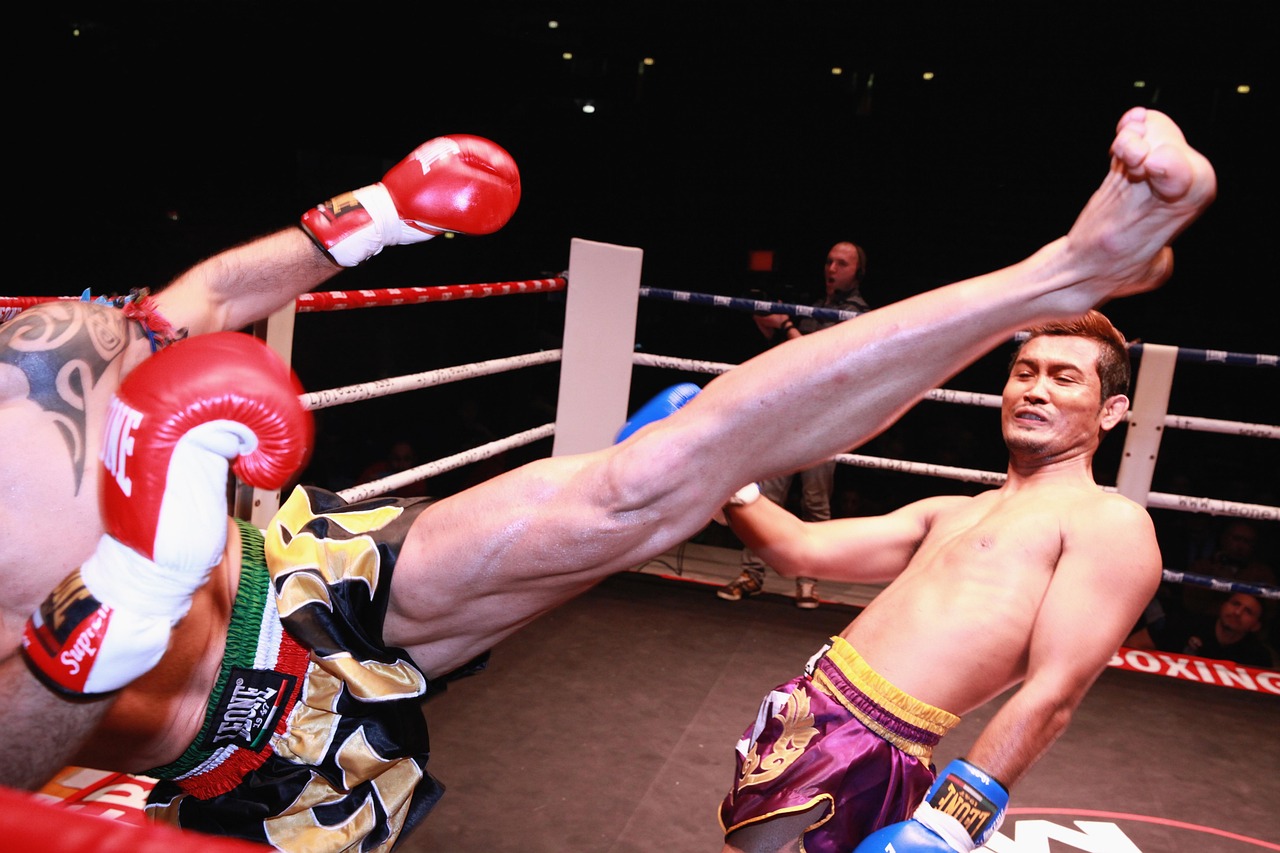
The Olympic version of taekwondo emphasized fast kicking exchanges, distance control, counterattacks, and scoring precision. Unlike professional boxing or many forms of kickboxing, Olympic taekwondo developed around a specific rule environment. Athletes had to score with clean kicks and punches under strict competition standards, while also managing penalties, ring positioning, and tactical risk. The result was a combat sport built around timing and explosiveness more than sustained exchanges.
That format produced both opportunity and criticism. Olympic taekwondo gave smaller nations a realistic chance to win medals because the sport spread widely and did not require the same infrastructure as some larger team sports. Countries from outside the traditional combat sports powers could develop athletes capable of reaching Olympic podiums. At the same time, debates about judging and scoring followed the sport as it grew. Close matches, disputed calls, and tactical point-fighting led to pressure for clearer systems.
Electronic scoring, video review, and rule adjustments became part of taekwondo’s Olympic evolution. These changes were not just technical fixes. They reflected the sport’s effort to remain fair, understandable, and exciting while preserving the kicking skill that made taekwondo distinct.
What Olympic Taekwondo Changed About the Sport
Olympic recognition changed taekwondo’s global meaning. For South Korea, it confirmed taekwondo as one of the country’s most successful cultural exports. For other nations, it created a combat sport where investment in coaching, youth development, and international competition could produce Olympic results. Taekwondo became a pathway for countries seeking visibility in combat sports without the long professional systems of boxing or MMA.
The Olympic stage also changed how taekwondo was practiced. Elite athletes increasingly trained for speed, flexibility, reaction time, and rules-specific tactics. The sport became more specialized, with Olympic-style sparring developing its own identity alongside traditional forms, self-defense practice, and martial arts instruction. That split sometimes created tension between taekwondo as a martial art and taekwondo as an Olympic sport, but it also helped the discipline reach more people.
Taekwondo’s Olympic rise remains important because it gave the sport a permanent global platform. It showed that a martial art rooted in Korean history could become a medal event contested by athletes from around the world. The Olympics did not create taekwondo, but they changed its scale. They turned it into a sport where national identity, technical evolution, and global competition meet every four years.
Taekwondo’s Olympic rise is ultimately a story of transformation. The sport entered the Games carrying Korean history and left with a wider international identity. Its Olympic journey reshaped training, scoring, and global ambition, while keeping the central image intact: two athletes testing speed, control, timing, and discipline through one of combat sports’ most distinctive kicking styles.