
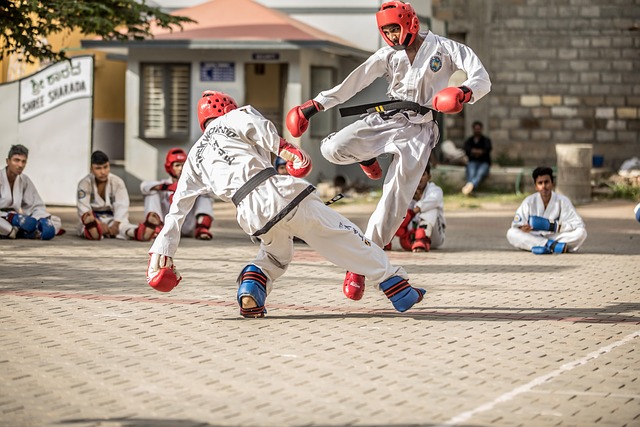
Taekwondo is a striking-based martial art known for its dynamic kicking techniques and disciplined structure. Originating in Korea, it has developed into both a traditional martial art and a globally recognized competitive combat sport. Taekwondo emphasizes speed, flexibility, and precision, with athletes earning points through controlled strikes. Today, it stands as one of the most widely practiced combat sports in the world.
Origins and Competitive Evolution
Taekwondo emerged in the mid-twentieth century as Korean martial arts schools unified under a standardized system. Over time, formal competition rules were developed to regulate scoring and safety. The sport expanded internationally through organized federations and became an official Olympic sport in 2000. Its competitive format evolved to prioritize controlled kicking techniques and electronic scoring systems that enhance accuracy and fairness.
Rules, Scoring, and Match Structure
Competitive taekwondo matches are typically divided into three timed rounds. Athletes wear protective gear, including head and torso guards, to reduce injury risk. Points are awarded for clean kicks and punches delivered to designated scoring areas, with higher-value points given for spinning or head-level kicks. Referees oversee rule enforcement, while electronic sensors in protective equipment help register valid strikes.
Global Reach and Athletic Profile
Taekwondo is practiced in more than 200 countries, supported by international governing bodies and national federations. The sport promotes agility, discipline, and tactical awareness. Athletes must balance offensive speed with defensive footwork to control distance. Beyond competition, taekwondo continues to influence youth development and physical education programs worldwide, reinforcing its position within the broader combat sports landscape.