
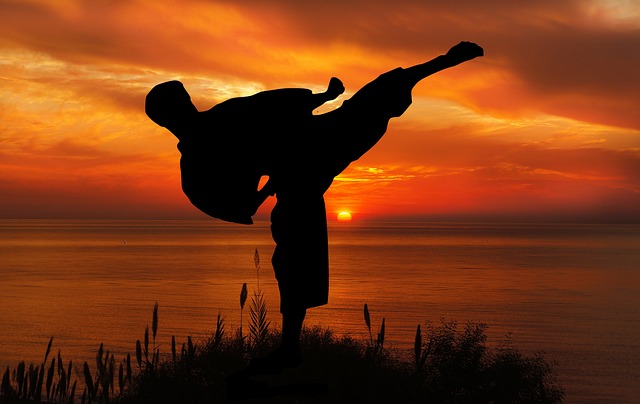
Karate is one of the most recognized striking disciplines in global combat sports. Originating in Okinawa and later formalized in Japan, karate blends controlled striking, discipline, and structured competition. While it differs from professional boxing and mixed martial arts, karate has developed its own competitive formats and international governing bodies. Today, it exists both as a traditional martial art and as a modern sport with standardized rules and ranking systems.
Competitive Formats and Rule Structure
Modern competitive karate is generally divided into two primary formats: kumite and kata. Kumite involves controlled sparring between two athletes, with points awarded for clean, precise strikes delivered with proper technique. Kata is a performance-based discipline where competitors demonstrate predefined movement patterns judged on accuracy, balance, and execution. Matches in kumite are typically time-limited, and points are awarded for controlled punches, kicks, and certain higher-scoring techniques such as head kicks. Excessive force and unsafe contact are penalized.
Governing Bodies and International Competition
Karate competition is structured under organizations such as the World Karate Federation, which standardizes rules and organizes world championships. The sport gained wider recognition when it was included in the Olympic Games in 2020, highlighting its global reach. International tournaments operate under weight classes and ranking systems, ensuring fair competition across divisions. National federations oversee development programs that feed into global competition.
Technique, Discipline, and Modern Influence
Karate emphasizes speed, precision, and timing rather than sustained exchanges. Competitors train to strike effectively while maintaining balance and control. Beyond competition, karate continues to influence broader combat sports, with several mixed martial artists incorporating karate-based striking techniques. The discipline’s structured training methods and emphasis on respect contribute to its lasting cultural and sporting presence.