Mozambique’s MMA scene is young, uneven, and heavily connected to the Southern African fight circuit. It is not yet a country with a deep professional roster, but it has begun to appear more clearly through fighters competing in regional promotions, especially South Africa’s EFC. That gives Mozambique a different MMA identity from countries with established local leagues. Its fighters often have to leave home, travel south, or attach themselves to regional gyms and promotions to get consistent competition.
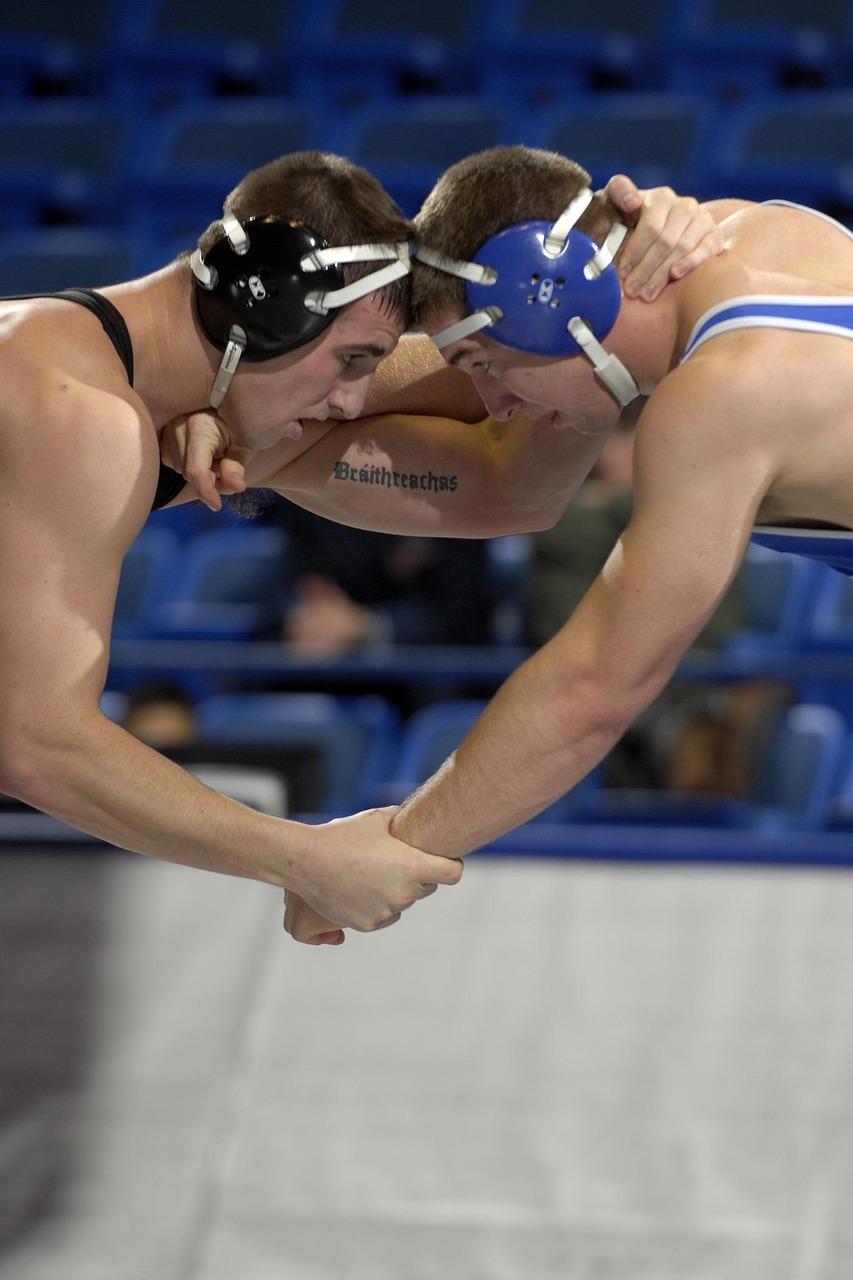
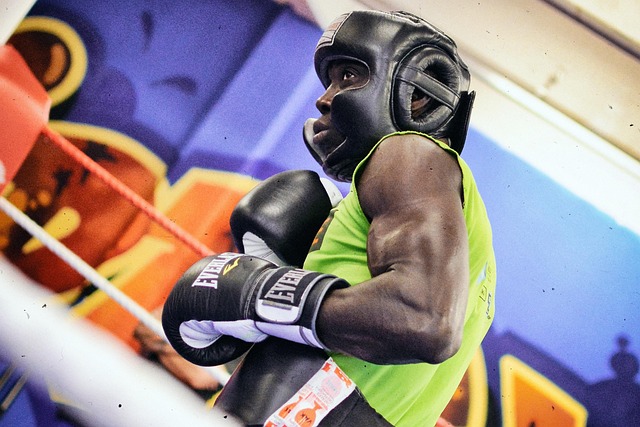
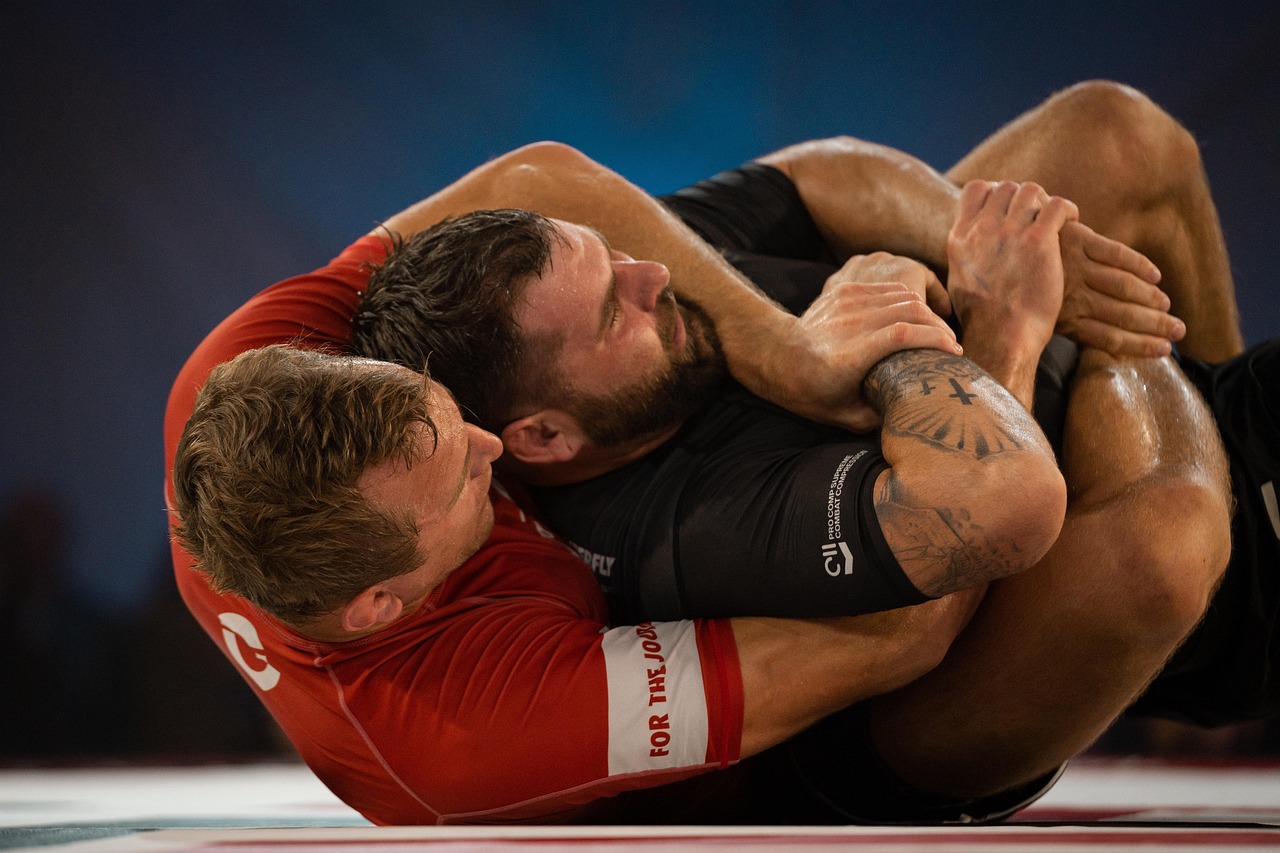
The country’s combat-sports roots are more visible in boxing, kickboxing, taekwondo, and general striking than in a long-established MMA system. Like many African MMA markets, Mozambique has athletes with toughness and physical talent, but the infrastructure gap matters. A fighter does not become internationally competitive through athletic ability alone. They need wrestling rounds, submission defense, cage experience, strength and conditioning, medical support, and regular matchmaking. Those pieces are still developing.
The most visible recent name attached to Mozambique’s MMA profile is Emerson Pedro, nicknamed “The Coolest Kid in Mozambique.” Pedro has competed in EFC, where his fights have given Mozambique a recognizable presence in one of Africa’s most important MMA promotions. His career is useful because it shows the actual pathway available to a Mozambican fighter: not a big domestic MMA league, but regional opportunity through South Africa, where EFC has the production, matchmaking, and roster depth to test fighters from across the continent.
Mozambique’s MMA story is therefore partly about migration within African combat sports. Fighters from smaller markets often need to enter South African, Angolan, Zambian, or broader continental circuits to gain experience. The same pattern appears in boxing and kickboxing, where local talent can exist long before the professional structure catches up. For Mozambique, MMA is still catching up to the athletes. The sport needs more gyms that can combine striking, wrestling, Brazilian jiu-jitsu, and cage-specific training under one roof.
That does not mean the scene is empty. It means the scene is early. Mozambique has the kind of sporting profile that could produce MMA athletes if the right training connections continue to form. Maputo is the natural place for development because it has the largest concentration of people, facilities, and regional links. South Africa’s proximity also matters. A Mozambican fighter who can train locally but compete or cross-train in Johannesburg, Durban, or Cape Town has a more realistic route than one waiting for a full domestic MMA circuit to appear overnight.
Fan culture is still tied more to individual fighters and general combat-sports interest than to a mature MMA ecosystem. When a Mozambican fighter succeeds in EFC or another regional promotion, that visibility can do more for the country’s MMA identity than a dozen small local events. The sport needs recognizable figures first, then gyms and amateur shows can use that attention to build participation.
Mozambique’s long-term MMA outlook is modest but real. The country is unlikely to become a major African MMA power quickly, but it can become a source of tough regional fighters if the training base improves. Its clearest path is through striking athletes who add grappling early, regional competition in Southern Africa, and a few visible professionals who give younger fighters a model to follow. For now, Mozambique is an emerging MMA country whose future depends less on hype and more on access: access to coaching, access to opponents, and access to promotions willing to build African talent beyond the biggest markets.