Buenos Aires is the center of Argentine MMA in the way capital cities often are for developing fight markets: it concentrates gyms, media attention, regional events, and the symbolic moments that make a national scene visible. Argentina has not produced the volume of UFC contenders associated with Brazil, Mexico, or the United States, but Buenos Aires gives the country a real MMA base. The city’s scene is best understood through a combination of Argentine striking culture, Brazilian jiu-jitsu influence, local promotions, and a small group of fighters who connected the country to the UFC.
The major breakthrough moment came in 2018, when the UFC held its first event in Argentina. UFC Fight Night: Magny vs. Ponzinibbio took place in Buenos Aires and was headlined by Santiago Ponzinibbio against Neil Magny. For Argentine MMA, that mattered because the country was not simply watching the UFC from a distance; it had a home event built around an Argentine contender.
Ponzinibbio remains one of Argentina’s most important MMA names. Born in La Plata, Buenos Aires Province, he built a long UFC welterweight career and became the most visible Argentine fighter of his era. His career also reflects a common pattern for fighters from developing MMA countries: local or national identity remains important, but elite development often requires international movement. Ponzinibbio has been associated with American Top Team in Florida, showing how Argentine fighters may need to connect Buenos Aires roots with larger global training systems.
Guido Cannetti gives Buenos Aires another important MMA reference point. Cannetti, a UFC bantamweight associated with Our Town MMA, has been tied to Buenos Aires and the surrounding area, with a background in kickboxing and Muay Thai. He and his brother Bruno have also been connected to gym ownership and coaching, which matters because fighters who return knowledge to local rooms can have influence beyond their own records.
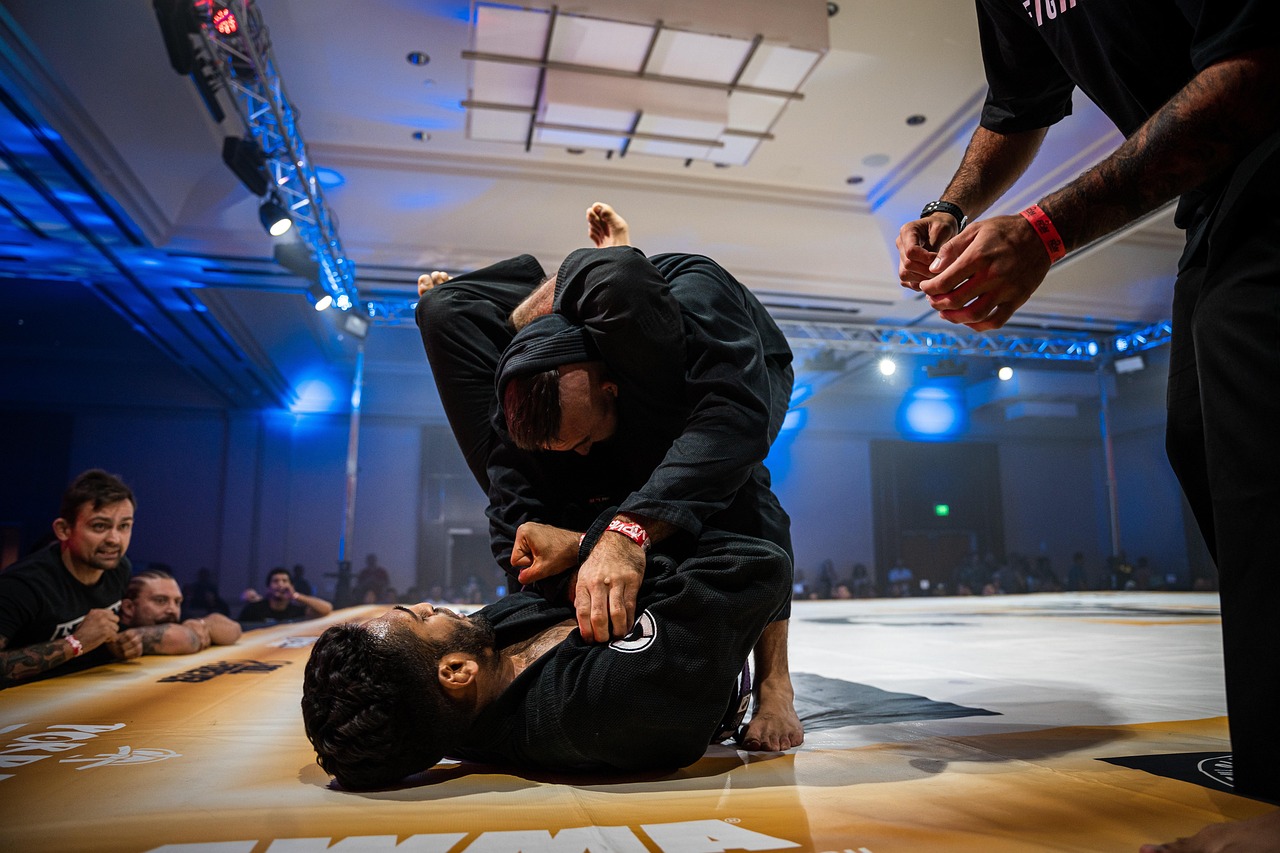
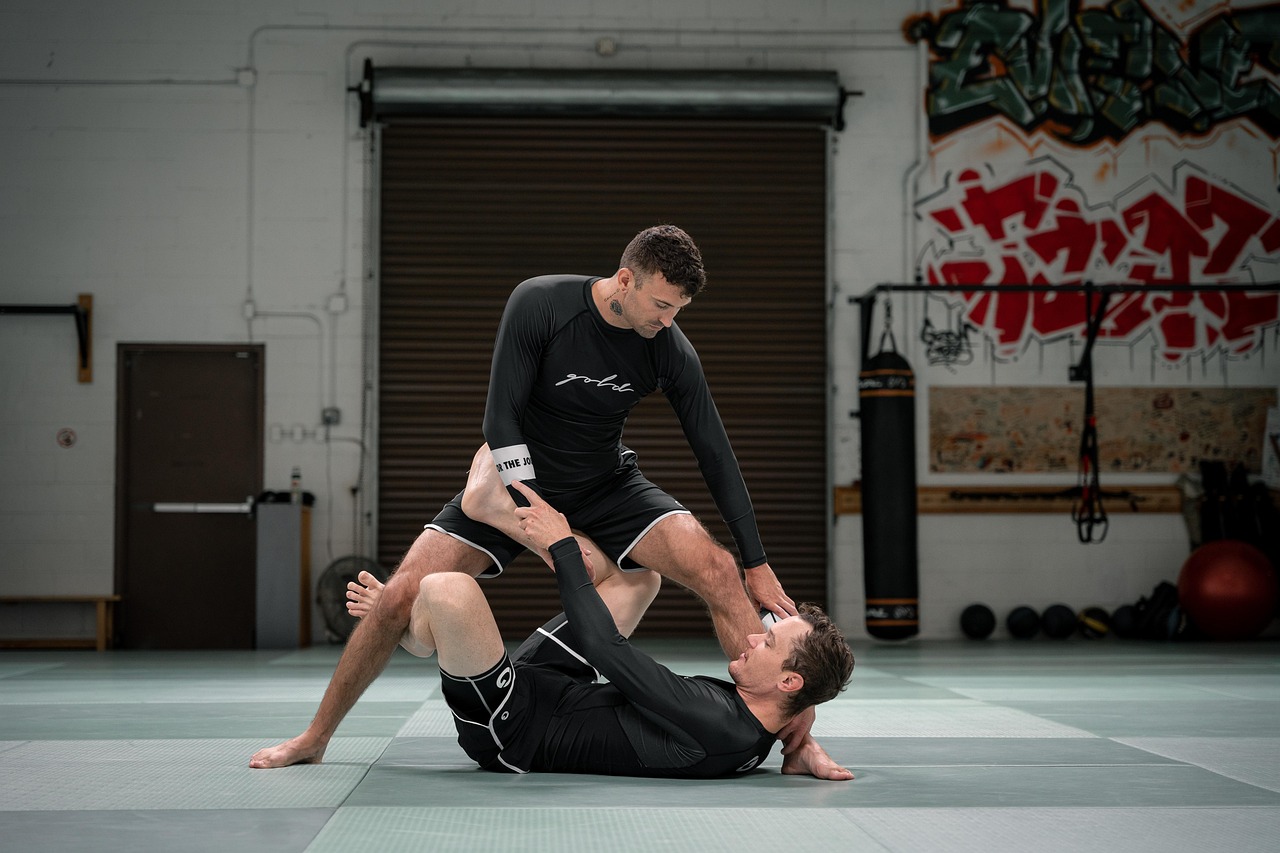
The city’s training scene is shaped by that blend of striking and grappling. Buenos Aires has access to Brazilian jiu-jitsu through academies and affiliates such as Nova União Argentina and United MMA Fight Center, while local fighters also draw from boxing, kickboxing, Muay Thai, and broader South American martial arts networks. Nova União Argentina is listed with locations including United MMA Fight Center in Buenos Aires, connecting the city to one of Brazil’s most important BJJ and MMA lineages.
Local and regional events are the other piece of the ecosystem. Samurai Fight House has staged events in Buenos Aires Province, including a 2026 card in Tigre with 15 MMA bouts, and its recent event history includes multiple Buenos Aires-area shows. That kind of promotion is important because it gives fighters rounds, records, and experience before they try to move into larger Latin American or international opportunities.
Buenos Aires is not yet a global MMA factory, but it is clearly Argentina’s most important MMA platform. Its value comes from concentration: fighters, gyms, regional promotions, UFC history, and access to the wider South American fight scene. The next stage for Buenos Aires MMA will depend on whether local promotions and gyms can keep producing athletes who do not merely appear on regional cards, but eventually sustain careers in the UFC, PFL, Bellator-style international circuits, or major Latin American promotions.