MMA in Maldives is still a small, gym-centered scene rather than a major professional fight market. The country does not yet have the kind of deep regional promotion system or internationally visible fighter pipeline found in larger Asian combat-sports countries, but that does not mean MMA is absent. Its identity is closer to a developing island training culture, built around martial arts academies, fitness-focused combat training, and the gradual introduction of modern mixed martial arts to younger athletes in Malé, Hulhumalé, and other population centers.
The challenge for MMA in Maldives begins with geography. A country spread across islands cannot build a fight scene in the same way as a mainland country with multiple cities connected by road. Training partners, coaching depth, tournament access, and event logistics are all harder to organize. For a young athlete interested in MMA, the local pathway is likely to begin through martial arts classes rather than a formal amateur MMA league. Taekwondo, karate, kickboxing, boxing-style fitness, grappling, self-defense, and Brazilian jiu-jitsu all have roles to play because MMA in the Maldives depends on piecing together the complete skill set from whatever combat-sports instruction is available.
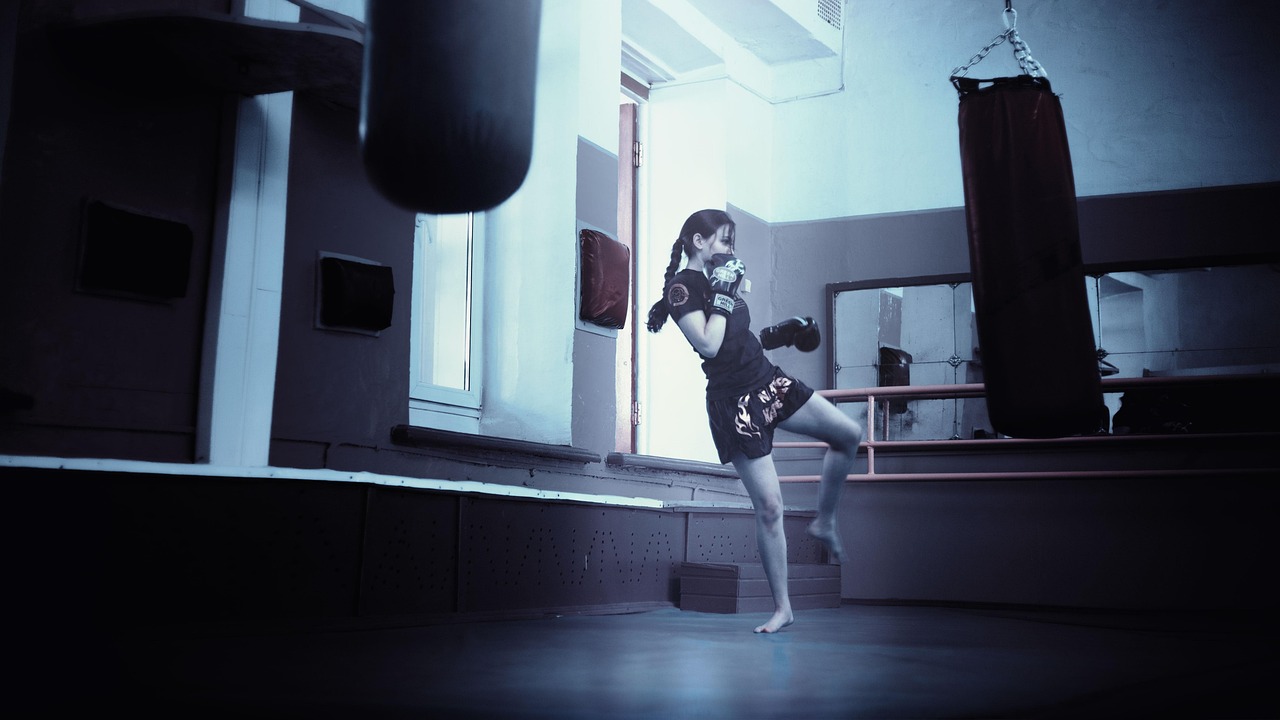
That makes the gym ecosystem especially important. Sharks Academy, which describes its roots as a martial arts concept beginning in 2016, reflects the broader effort to spread martial arts through the community rather than simply produce cage fighters. Fightsoul Maldives presents itself as a combat-sports facility with ambitions beyond ordinary fitness training. These kinds of academies matter because small MMA countries do not usually begin with televised events. They begin with mats, coaches, sparring groups, and athletes learning that striking, clinch work, takedowns, and submissions can be connected into one sport.
Maldives also has a potential advantage that many small combat-sports countries do not: international exposure. Tourism brings global trainers, visiting athletes, resort-based wellness programming, and occasional combat-sports retreats into the country. That does not automatically create a national MMA pipeline, but it can widen the technical vocabulary available to local students. A Maldivian athlete who trains consistently may have access to styles and coaches that would have been much harder to find a generation ago.
The next step for MMA in Maldives is competitive structure. Training interest alone is not enough. Fighters need amateur bouts, rules education, judging standards, medical oversight, and regional opponents. Because the country is small, the most realistic development path may involve links with South Asia, Sri Lanka, India, the Gulf, and Southeast Asian circuits. Maldivian fighters may need to travel before the country can host a reliable calendar of local MMA events.
For now, MMA in Maldives should be understood as a young scene with real training activity but limited professional visibility. Its future depends less on producing an immediate UFC-level name and more on building repeatable foundations: youth classes, grappling instruction, safe sparring, local showcases, and regional competition. If those pieces continue to grow, Maldives can develop an MMA identity that fits its size: compact, disciplined, internationally influenced, and built through committed gyms rather than a large domestic fight industry.