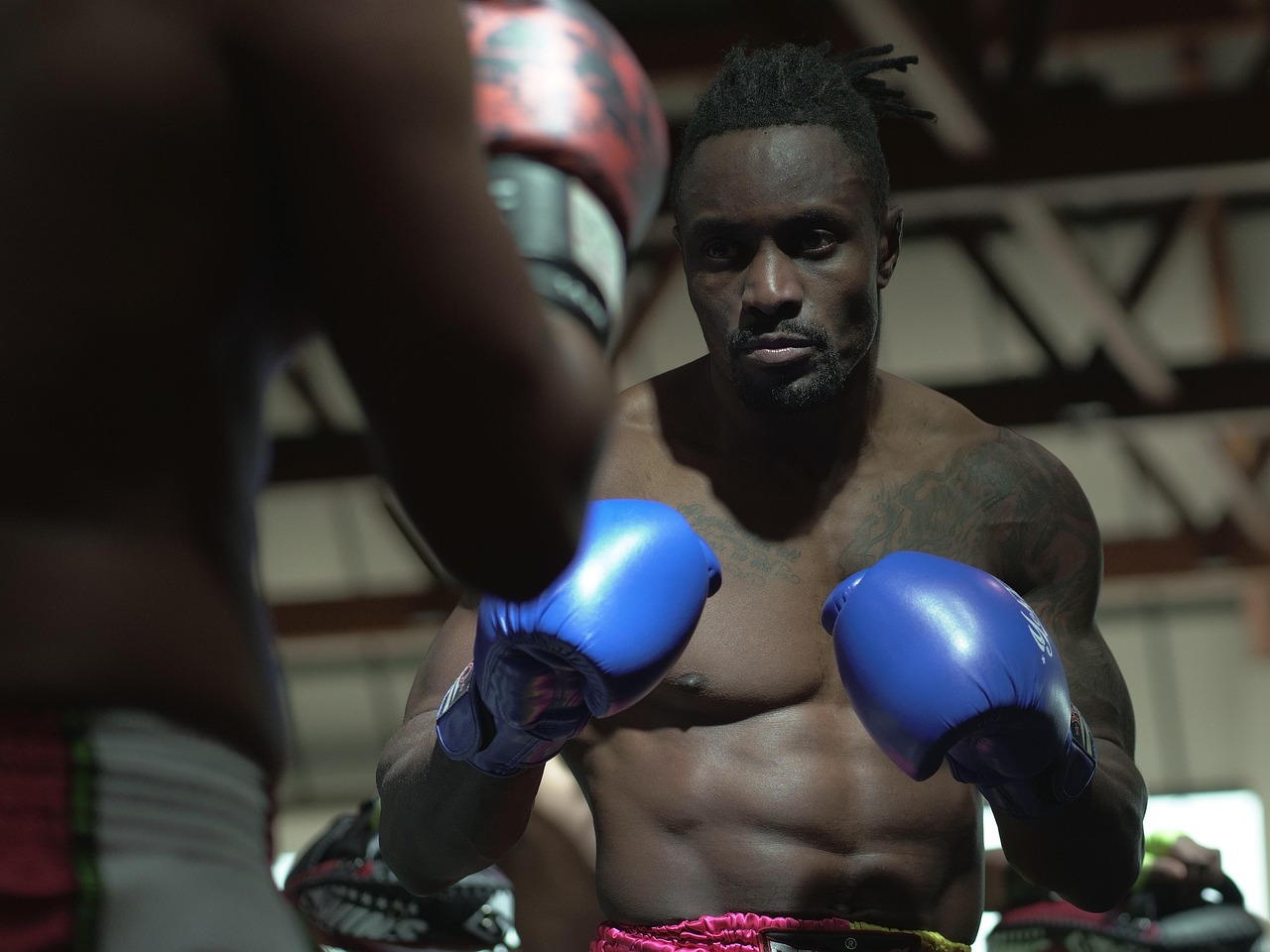
Glory Kickboxing matters because it gave elite stand-up fighting a new center at a moment when the sport needed one. After K-1’s decline left many of kickboxing’s biggest names without the same global platform, GLORY entered with tournaments, international events, recognizable champions, and a ruleset built to keep fights active. It did not invent kickboxing, but it helped preserve the idea that stand-up fighting could still be presented as a major international combat sport. For fans who mostly knew boxing or MMA, GLORY became one of the clearest windows into what high-level kickboxing looked like when it had its own stage, stars, and identity.
Kickboxing Needed a New Center After K-1 Faltered
Before Glory Kickboxing became a leading name in the sport, K-1 had been the major global platform for elite heavyweight and lightweight stand-up fighters. K-1 helped turn athletes such as Peter Aerts, Ernesto Hoost, Remy Bonjasky, Semmy Schilt, Jérôme Le Banner, and many others into international kickboxing names. Its Grand Prix format gave the sport a clear identity: elite strikers from different backgrounds meeting under a ruleset that rewarded pressure, power, timing, and durability.
When K-1 declined, the problem was not that the talent disappeared. The fighters were still there. The audience was still there. The tradition of big-event kickboxing was still there. What the sport lacked was a stable, modern platform that could gather elite names under one banner and present them to a global audience.
GLORY entered that gap. Its early roster drew from the old world of K-1, It’s Showtime, Golden Glory, and the broader European and international kickboxing scene. That mattered because combat sports depend on continuity. Fans need champions, rankings, rivalries, recognizable divisions, and events that feel connected to one another. GLORY’s importance came from giving kickboxing a structure at a time when the sport could have become more fragmented.
Glory Kickboxing Built Its Identity Around Elite Stand-Up Fighting
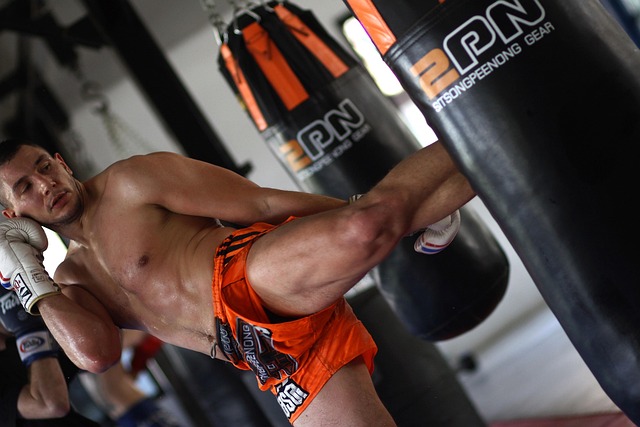
Glory Kickboxing separated itself by focusing clearly on stand-up combat. Its rules allowed punches, kicks, and knees, while limiting extended clinching and excluding elbows. That gave GLORY a different rhythm from Muay Thai and a different identity from MMA. The goal was not to cover every phase of fighting. It was to create a fast, clean, aggressive striking format where fighters had to win exchanges on their feet.
That identity helped make GLORY accessible. A viewer did not need to understand takedown defense, guard passing, or ground control to follow the action. The sport’s questions were immediate: who controlled distance, who landed cleaner combinations, who punished the legs, who won the pocket, who could absorb pressure, and who could still strike with precision late in the fight.
The promotion also benefited from star power. Heavyweights such as Rico Verhoeven, Daniel Ghiță, Gökhan Saki, Badr Hari, and Jamal Ben Saddik gave GLORY major-event appeal. Lighter divisions brought technical depth through fighters such as Giorgio Petrosyan, Robin van Roosmalen, Nieky Holzken, Artem Vakhitov, Alex Pereira, and others. Some became GLORY names first. Others used the platform as part of larger combat sports careers.
That crossover importance is part of GLORY’s story. Alex Pereira’s later rise in the UFC gave many MMA fans a reason to look back at elite kickboxing. His GLORY career, including his rivalry with Artem Vakhitov, became evidence that the promotion had hosted fighters whose skills could shape combat sports beyond kickboxing alone.
Why Glory Kickboxing Still Matters to Combat Sports
Glory Kickboxing still matters because it protected a specific kind of combat sports excellence. In an era when MMA became the dominant global mixed-rules product and boxing kept its historic hold on prizefighting, kickboxing needed a platform that did not treat stand-up fighting as a feeder system. GLORY gave kickboxers a place where their own sport was the main event.
Its legacy is not only about champions. It is about the survival of a high-level striking ecosystem. GLORY kept tournament traditions alive, gave divisions clearer structure, and allowed fans to see how different striking styles worked when grappling was removed from the equation. It also helped preserve the heavyweight kickboxing spectacle that had defined earlier eras, while giving lighter-weight technical fighters a global stage.
For combat sports fans, GLORY is important because it shows that stand-up fighting has its own logic. The best GLORY fights are not incomplete versions of MMA or alternatives to boxing. They are their own form of pressure, timing, damage, and adaptation.
Glory Kickboxing belongs in combat sports history because it carried elite kickboxing through a fragile period and gave the sport a modern home. Its best fighters helped prove that pure stand-up combat still had global appeal, technical depth, and a place in the larger fight world.