Gordon Ryan and no-gi grappling dominance became linked because his career arrived at the exact moment submission grappling was becoming more visible, more professional, and more specialized. No-gi jiu-jitsu had already grown through ADCC, the early UFC, submission-only events, and the leg-lock revolution, but Ryan turned that landscape into a personal proving ground. His importance is not only that he won. It is how he won: with pressure, positional control, submission threat, match management, and a technical style that made elite opponents look trapped inside a system. Ryan’s dominance helped define what the modern no-gi grappler was expected to become.
From New Jersey Prospect to the Center of No-Gi Grappling
Gordon Ryan did not come from the older Brazilian jiu-jitsu pathway built around the gi, long academy lineages, and traditional tournament progression. His rise came through the modern American no-gi scene, where submission-only formats, leg-lock systems, and professional grappling events were changing the sport’s incentives.
That context matters. No-gi grappling was moving away from being treated as a secondary version of Brazilian jiu-jitsu and toward becoming its own elite specialty. ADCC had already given the sport a world championship standard, but the surrounding ecosystem was changing quickly. Events such as Eddie Bravo Invitational and Who’s Number One gave athletes more visibility. Instructional platforms and online training made technique spread faster. Fans could follow grapplers as standalone combat-sports figures rather than only as future MMA prospects.
Ryan emerged from that world with the right combination of timing, coaching, training partners, and competitive temperament. His connection to Garry Tonon and John Danaher placed him near one of the most influential technical environments in modern grappling. The Danaher-led leg-lock revolution helped change what opponents had to defend, but Ryan’s game eventually became broader than one technical category. He could attack legs, pass, mount, take the back, control scrambles, and force opponents into long sequences where every escape created another problem.
That made him more than a specialist. It made him a template for the next phase of no-gi competition.
Gordon Ryan and No-Gi Grappling Dominance at ADCC
ADCC became the clearest stage for Gordon Ryan’s no-gi grappling dominance because it tests more than submission skill. The rules reward takedowns, control, positional advancement, overtime awareness, and the ability to manage elite opponents across multiple matches. Winning there requires more than one dangerous attack. It requires a complete game.
Ryan’s ADCC success built his reputation because he won across different competitive contexts. He captured titles in weight divisions, in the absolute division, and in superfight settings. That range matters because no-gi grappling often separates athletes by size, style, and rule preference. Ryan’s résumé made it harder to frame his success as a product of one bracket, one matchup type, or one tactical surprise.
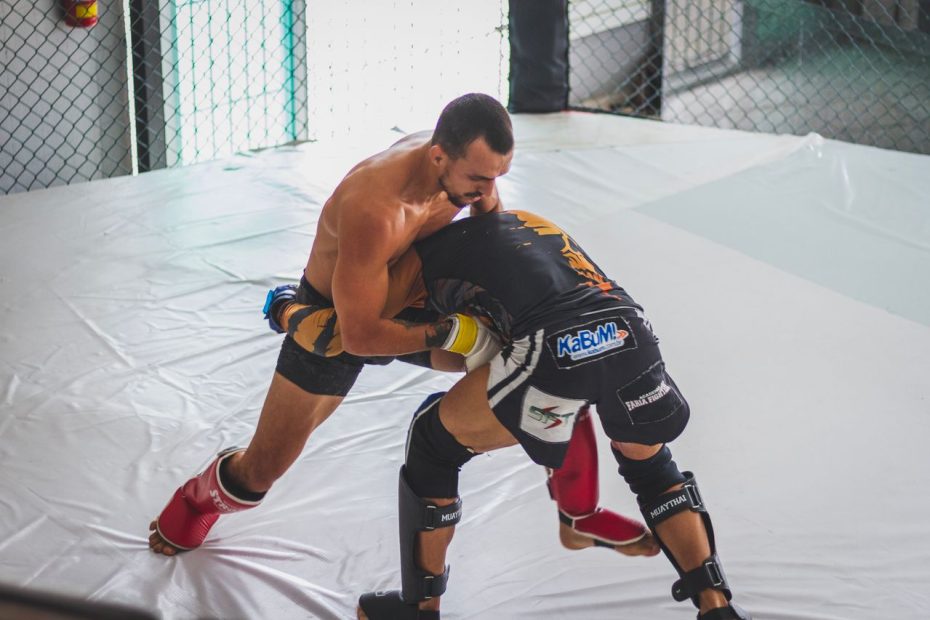
The central feature of his dominance was control. Ryan often forced matches into positions where opponents had limited choices. If they defended submissions, they risked giving up position. If they tried to move explosively, they risked exposing the back, neck, or legs. If they stayed conservative, they could be slowly advanced upon. His game was not built around constant visible chaos. It was built around making the match narrower for the other athlete.
That is why his best wins became instructional in a broader sense. They showed that elite no-gi grappling had moved beyond isolated submission hunting. The best competitors needed layered systems: wrestling entries, guard passing, leg-lock awareness, back attacks, pinning pressure, and the ability to stay calm through long tactical exchanges.
Ryan’s run also changed fan expectations. Submission grappling had often struggled to create widely recognized stars outside the hardcore audience. Ryan became one of the few no-gi athletes whose name carried beyond tournament brackets. Whether fans admired him, rooted against him, or simply wanted to see who could solve the puzzle, his matches became reference points for the sport’s competitive standard.
Why Ryan’s Dominance Still Shapes Modern Grappling
Gordon Ryan’s legacy in no-gi grappling is not only measured by medals. It is measured by how much of the sport now looks built in response to the kind of athlete he represented.
Modern no-gi grapplers are expected to be more complete than ever. They need submission systems from multiple positions, wrestling competency, leg-lock defense, passing, pinning, back control, and the conditioning to hold technical focus deep into a match. Ryan’s dominance helped reinforce that standard. The old divide between “guard player,” “leg locker,” “wrestler,” and “passer” became harder to maintain at the highest level.
His career also helped push no-gi grappling into a more professional identity. He became a star within grappling itself, not simply a jiu-jitsu athlete waiting to transition into MMA. That distinction matters. Combat sports have often treated grappling as a supporting skill. Ryan’s success showed that submission grappling could create its own figures, debates, events, and technical eras.
There is also a technical legacy. Ryan’s approach rewarded patience, sequencing, and positional inevitability. Instead of chasing isolated highlight submissions, he often built attacks through control. That style made his matches valuable to students and coaches because they revealed the architecture behind dominance: grip battles, body positioning, pressure, timing, and decision trees.
Health issues and long competitive gaps later complicated the final chapter of Ryan’s run, but they did not erase the standard he set. His place in no-gi grappling history comes from the way he turned a fast-growing specialty into a clearer professional benchmark. To understand modern submission grappling, it is difficult to avoid the era that Ryan helped define.
Gordon Ryan and no-gi grappling dominance remain connected because his career showed what complete control could look like at the highest level. He did not simply win matches. He helped shape the expectations for modern no-gi greatness: technical depth, positional pressure, submission awareness, and the ability to make a complex sport feel systematically controlled.