The Rumble in the Jungle matters because it was more than a heavyweight title fight. Muhammad Ali’s 1974 win over George Foreman in Kinshasa, Zaire, became one of boxing’s clearest examples of strategy defeating force, timing defeating youth, and personality turning a sporting event into global theater. Foreman entered as the feared champion, a devastating puncher who had overwhelmed Joe Frazier and Ken Norton. Ali entered as the former champion trying to reclaim the title that had once been stripped from him. What happened in Kinshasa changed both careers and gave boxing one of its most lasting tactical and cultural stories.
Why Kinshasa Became the Stage for Ali and Foreman
By 1974, Muhammad Ali was no longer the young champion who had stunned Sonny Liston a decade earlier. He had lost years of his prime after refusing induction into the U.S. military during the Vietnam War, then returned to a heavyweight division that had moved on without waiting for him. Ali was still famous, still brilliant, and still capable of commanding a room, but George Foreman represented a different kind of problem.
Foreman was younger, stronger, and widely seen as the most dangerous heavyweight in the world. His rise had been built on direct physical destruction. He stopped Joe Frazier in two rounds in 1973 to become champion, then stopped Ken Norton in two rounds in 1974. Those results mattered because Frazier and Norton had both beaten Ali. The logic seemed clear: if Foreman had overwhelmed the men who had given Ali so much trouble, Ali would be facing something even worse.
The location made the fight even larger. Promoted by Don King and backed by President Mobutu Sese Seko’s government, the bout brought the heavyweight championship to Zaire, now the Democratic Republic of the Congo. For Ali, the setting became part of the event’s emotional force. He connected with the crowd, embraced the atmosphere, and turned the phrase “Ali, bomaye” into part of the fight’s identity. The title bout was no longer just a contest between two American heavyweights. It had become a global spectacle tied to African pride, postcolonial symbolism, and Ali’s unmatched ability to make a fight feel like history before the opening bell.
The Rumble in the Jungle and the Rope-a-Dope Plan
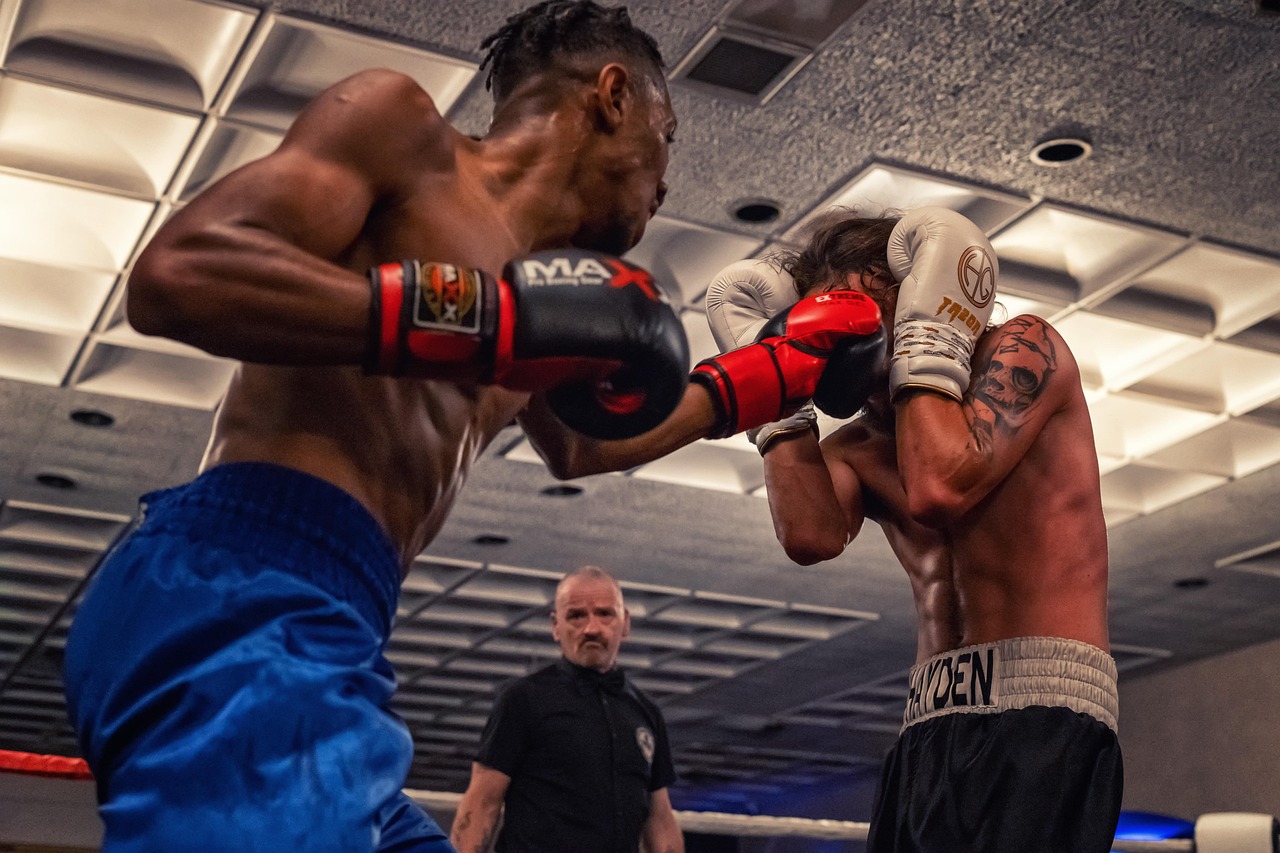
The central story of The Rumble in the Jungle is that Ali did not try to beat Foreman by matching him punch for punch in the center of the ring. He changed the terms of the fight. Ali leaned against the ropes, covered up, absorbed and deflected Foreman’s punches, and forced the champion to spend energy trying to break through.
That strategy became known as the rope-a-dope. It was dangerous because Foreman’s power was real. Ali was not avoiding all punishment, and the plan required uncommon discipline, toughness, and awareness. But Ali understood something essential: Foreman was at his most dangerous when he could impose fear early. If Ali could survive the first waves, make Foreman miss enough, make him punch arms and gloves, and keep talking to him while the rounds passed, the fight could change.
As Foreman tired, Ali became sharper. His counters grew cleaner. His hands remained fast enough to punish openings, and his mind stayed calm enough to recognize when the fight had shifted. In the eighth round, Ali found the moment. He came off the ropes with a quick combination, hurt Foreman, and dropped him. Foreman could not beat the count.
The knockout gave Ali back the heavyweight championship, but the method gave the fight its meaning. He had beaten the most feared puncher in boxing not by denying Foreman’s power, but by surviving it, draining it, and turning it against him.
Why Ali’s Win Still Defines Heavyweight Strategy and Myth
The Rumble in the Jungle remains one of boxing’s defining fights because it changed how Ali’s career was understood. He was no longer only the dazzling young champion of the 1960s. He was now an older fighter who had adjusted, endured, and solved a problem that many believed was too dangerous for him. The win added a second act to his greatness.
It also helped shape the way boxing talks about intelligence. The rope-a-dope was not simply toughness. It was risk management under extreme pressure. Ali judged distance, absorbed force selectively, read Foreman’s fatigue, and trusted that the fight would become more favorable if he could pull the champion into deeper rounds. That combination of courage and calculation made the performance last beyond the result.
For Foreman, the fight became a turning point as well. His later career and eventual comeback would add layers to his own legacy, but Kinshasa remained the night when his aura of inevitability broke. He had entered as the champion who seemed too powerful to contain. He left as part of Ali’s most famous victory.
The Rumble in the Jungle still matters because it captured boxing at its most complete: physical danger, tactical imagination, political atmosphere, and personal reinvention. Ali did not just regain the heavyweight title in Kinshasa. He proved that greatness could change shape and still find a way to win.