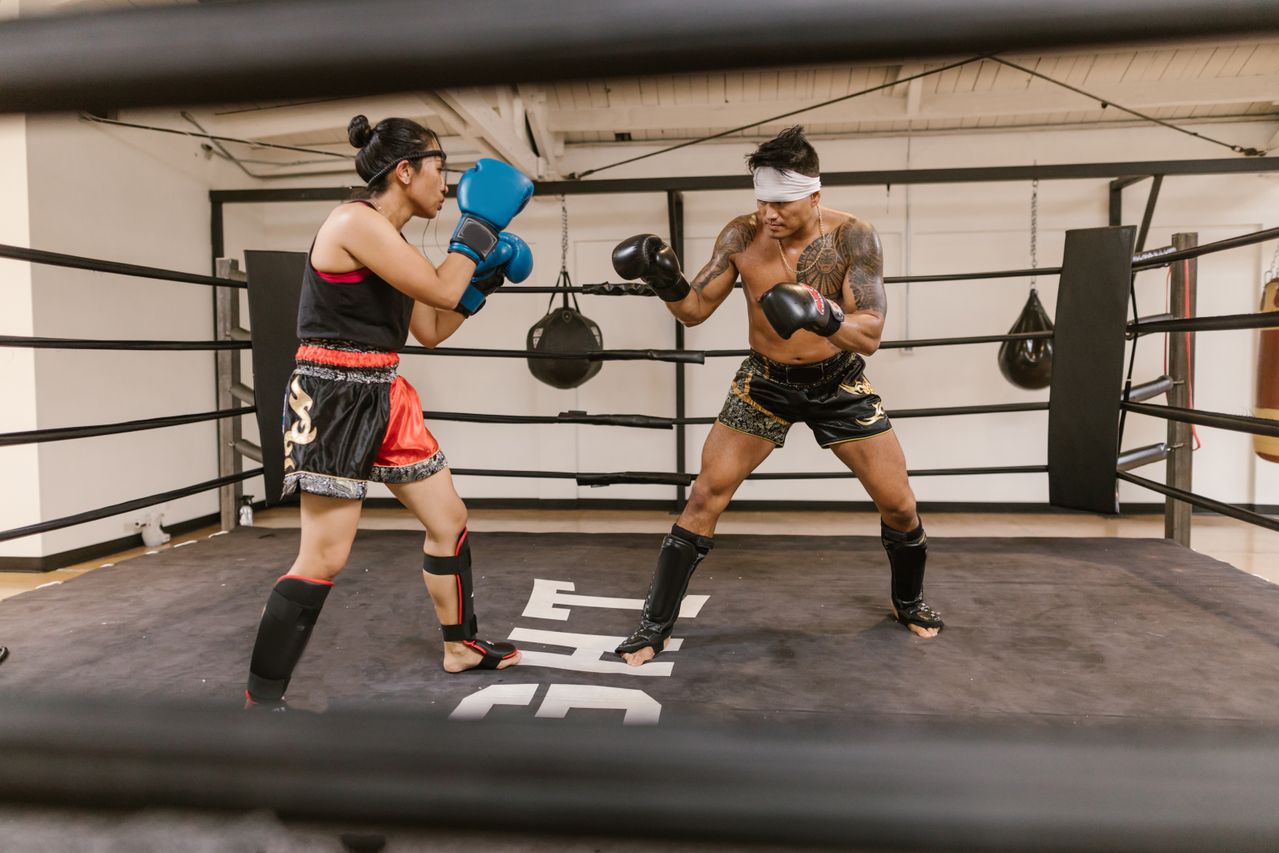
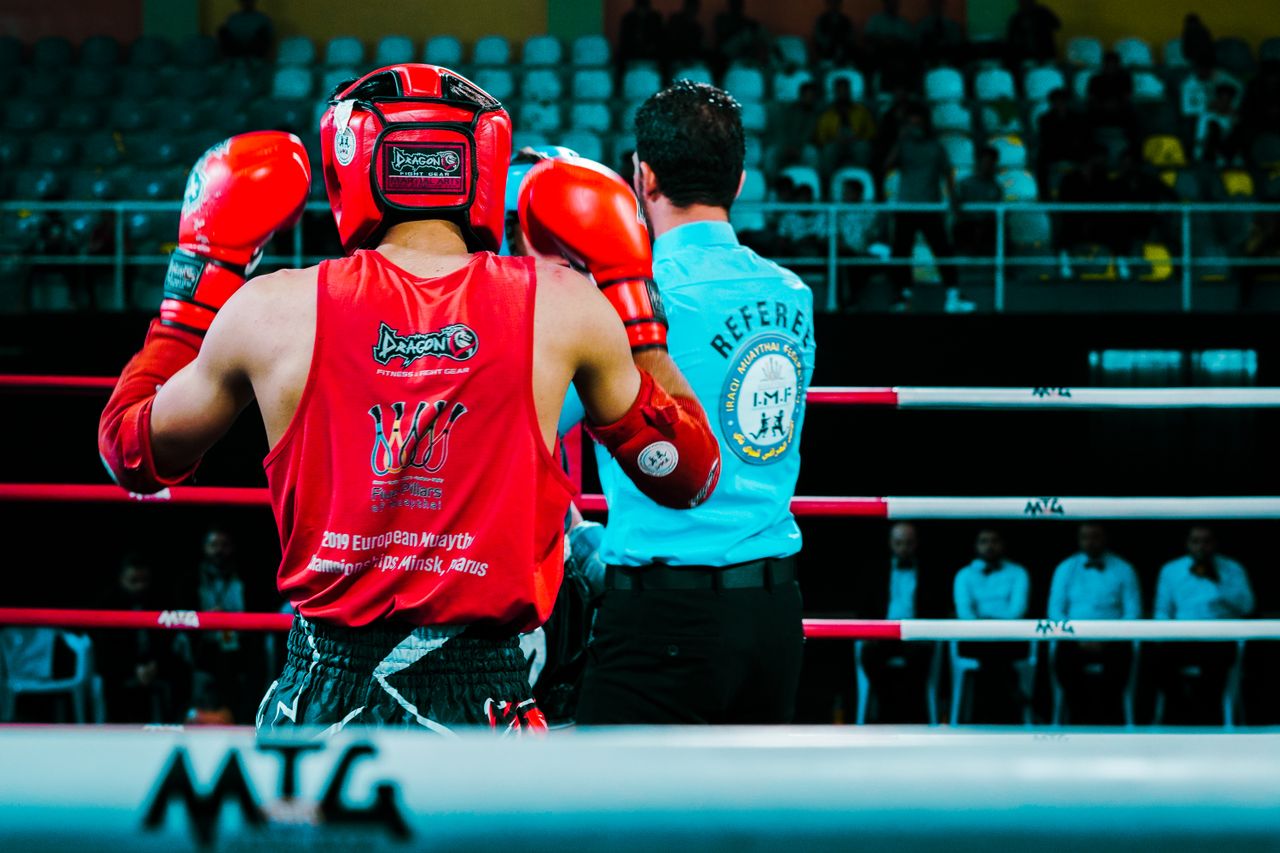
Brazil is one of the most important combat sports countries in the world because its fight culture is not built around a single discipline. It is built around a network of styles that shaped modern martial arts: Brazilian jiu-jitsu, vale tudo, judo, boxing, Muay Thai, kickboxing, capoeira, luta livre, wrestling, and mixed martial arts. Few countries have influenced global combat sports as deeply as Brazil, and even fewer have done it across both professional fighting and everyday training culture.
The country’s combat sports identity starts with Brazilian jiu-jitsu, but it does not end there. BJJ gave Brazil a global martial arts export, a technical language for ground fighting, and a direct line into the rise of modern MMA. Vale tudo created a rougher competitive laboratory where styles were tested against each other long before mixed martial arts became a regulated international sport. Judo built an Olympic pathway. Boxing developed champions from working-class gyms and amateur programs. Muay Thai became a major striking base for MMA fighters. Capoeira remains one of Brazil’s most recognizable martial traditions, even when it sits slightly outside the modern cage-and-ring structure.
That makes Brazil different from countries where combat sports are mostly recreational or imported. In Brazil, fight training has a layered identity. There are elite academies producing international competitors, neighborhood boxing gyms serving local communities, jiu-jitsu schools that train everyone from children to black belts, and MMA teams that connect striking, wrestling, and grappling under one roof. The country has also produced some of the most recognizable fighters in UFC, Pride, boxing, judo, and submission grappling history.
For someone searching for combat sports in Brazil, the picture is broad. Beginners can find martial arts classes in major cities and smaller regional centers. Serious athletes can find high-level sparring, competition rooms, and technical coaching. Fans can trace Brazil’s role in shaping the modern idea of what a complete fighter looks like.
Brazilian Jiu-Jitsu as the Country’s Global Fight Language
Brazilian jiu-jitsu is the clearest starting point for understanding combat sports in Brazil. It is not simply one of several martial arts practiced in the country. It is one of Brazil’s most influential sports exports and one of the central technical pillars of modern MMA.
BJJ’s importance comes from its ability to change how fighters think about combat. The art placed enormous value on leverage, guard work, positional control, submissions, and the ability to survive and win from positions that might look disadvantageous to an untrained observer. Instead of treating fighting as only a striking exchange, Brazilian jiu-jitsu made the ground a decisive battleground. That changed martial arts schools, self-defense training, tournament grappling, and professional MMA around the world.
In Brazil, jiu-jitsu culture is strongest in major urban centers, especially Rio de Janeiro and São Paulo, but its reach extends well beyond those cities. Rio is central to the sport’s history, with famous academies, beachside training culture, old rivalries, and generations of instructors who helped spread BJJ internationally. São Paulo has become a massive modern market for academies, competitions, and professional training. Cities such as Curitiba, Belo Horizonte, Brasília, Porto Alegre, Florianópolis, Recife, Fortaleza, and Salvador also have active grappling communities.
A Brazilian jiu-jitsu academy can serve several roles at once. It can be a children’s martial arts school, a recreational fitness space, a self-defense program, a competition team, and a proving ground for future MMA fighters. Some students train casually two or three times a week. Others compete in local, national, and international tournaments. Advanced athletes may build their lives around the sport, coaching during the day, training at night, and traveling for major events.
The belt system gives BJJ a clear developmental structure, but the culture of live sparring gives it a distinctive intensity. Students are not just learning movements in isolation. They are testing guard passes, escapes, sweeps, chokes, and joint locks against resisting partners. That practical training rhythm is one reason BJJ became so valuable to MMA and why Brazil remains one of the world’s key centers for grappling.
Vale Tudo, MMA, and Brazil’s Role in the Modern Fight Game
Brazil’s MMA identity is inseparable from vale tudo, the open-rules fighting tradition that helped create the conditions for modern mixed martial arts. Vale tudo was raw, confrontational, and often built around style-versus-style matchups. Jiu-jitsu fighters faced wrestlers, boxers, kickboxers, karate practitioners, and luta livre fighters. These contests were not polished sports entertainment in the modern sense. They were part of a broader argument about which systems worked under pressure.
That history matters because Brazil did not enter MMA as a follower. It helped define the sport’s logic. The early lesson of Brazilian fighters was that a complete fighter needed answers everywhere: standing, in the clinch, on top, off the back, against the fence, and in submission danger. Jiu-jitsu gave Brazil a major advantage in the early development of mixed martial arts, but Brazilian fighters eventually became known for much more than grappling.
Modern Brazilian MMA includes elite strikers, pressure fighters, submission specialists, counterpunchers, knockout artists, and well-rounded competitors who blend wrestling, Muay Thai, boxing, BJJ, and cage control. Brazil has produced globally known figures across generations, including Royce Gracie, Rickson Gracie, Vitor Belfort, Wanderlei Silva, Anderson Silva, José Aldo, Lyoto Machida, Maurício “Shogun” Rua, Antônio Rodrigo Nogueira, Junior dos Santos, Fabrício Werdum, Cris Cyborg, Amanda Nunes, Charles Oliveira, Glover Teixeira, Demian Maia, and Alex Pereira. Their styles are very different, which is part of the point. Brazilian MMA is not one style. It is a competitive ecosystem.
Training for MMA in Brazil is usually concentrated in serious fight gyms and multi-discipline academies. These gyms often combine BJJ, no-gi grappling, wrestling-style takedowns, boxing, Muay Thai, kickboxing, strength and conditioning, and sparring. In cities with deeper fight scenes, athletes may move between specialized rooms: a jiu-jitsu academy for ground work, a boxing gym for hands, a Muay Thai coach for striking, and an MMA team for integrated training.
Curitiba has a special place in Brazilian MMA history because of its association with aggressive striking, chute-boxe style training, and fighters who became major names in international promotions. Rio and São Paulo remain essential because of their size, talent pools, academies, and media visibility. The Northeast, South, and Central-West regions also produce fighters, especially where strong local gyms develop reputations for hard training and competition success.
For beginners, MMA training in Brazil can be accessible, but the intensity varies widely. Some gyms are built around professional fight teams. Others offer MMA-style fitness, self-defense, or beginner-friendly classes. The best training environment depends on the student’s goal. Someone preparing for amateur fights needs a very different room from someone who wants general conditioning or practical martial arts experience.
Boxing, Muay Thai, and Brazil’s Striking Culture
Although Brazil is often discussed through BJJ and MMA, striking sports are a major part of the country’s combat sports landscape. Boxing has a long presence in Brazilian sport, while Muay Thai and kickboxing have become deeply connected to the country’s MMA development.
Brazilian boxing has historically been tied to urban gyms, amateur development, and professional fighters who used the sport as a path out of difficult circumstances. Boxing gyms in Brazil often carry the same community function they do in other major fight countries: they teach discipline, footwork, defense, timing, conditioning, and competitive toughness. In major cities, boxing can be found in traditional gyms, fitness-oriented studios, and combat sports academies that use boxing as part of broader MMA training.
Brazil has also built a meaningful Olympic boxing tradition. The country’s amateur boxers have earned international respect, and Olympic success has helped raise the sport’s profile. That matters for the broader combat sports ecosystem because amateur boxing creates technical foundations that can support both professional boxing and MMA. Good boxing teaches distance, balance, hand speed, defensive responsibility, and the ability to operate under pressure. Those qualities translate well across combat sports.
Muay Thai has a particularly strong relationship with Brazilian MMA. In many Brazilian gyms, Muay Thai became the striking base paired with BJJ. Fighters learned kicks, knees, elbows, clinch attacks, low kicks, and aggressive combinations, then blended those tools with takedown defense and ground fighting. Brazilian Muay Thai is sometimes its own culture and sometimes part of an MMA training system, depending on the gym.
Kickboxing has also grown through the success of Brazilian strikers in international combat sports. Fighters such as Anderson Silva and Alex Pereira helped show different versions of Brazilian striking excellence. Silva’s counterstriking, timing, and creativity influenced a generation of MMA athletes. Pereira’s elite kickboxing background and power-based style gave Brazil another global striking identity beyond BJJ.
Karate and taekwondo also have a place in Brazil’s martial arts scene, especially among children, families, and Olympic-style training environments. They are not always at the center of Brazil’s professional fight identity, but they contribute to the country’s wider martial arts base. Traditional striking schools often serve beginners, youth athletes, and families who want structure, discipline, and progression before moving into competition-heavy combat sports.
Judo, Wrestling, Luta Livre, and the Grappling Spectrum
Brazilian grappling is often reduced to BJJ, but the country’s ground-fighting culture is broader than that. Judo has been one of Brazil’s most successful Olympic combat sports, and its influence can be seen in takedowns, throws, balance, grip fighting, and the general respect for technical grappling. Judo clubs provide structured development, youth pathways, and international competition opportunities. For many Brazilian athletes, judo is the first serious combat sport they encounter.
Judo’s role is especially important because it gives Brazil a federation-based, Olympic-facing combat sports pathway. While BJJ grew through academies, lineages, and private competition circuits, judo connects more directly to national teams, Olympic qualification, and formal amateur sport systems. The two sports are distinct, but their athletes often understand each other’s value. A jiu-jitsu player who can throw is more dangerous. A judoka with strong groundwork is more complete. MMA fighters benefit from both.
Luta livre is another important part of Brazil’s combat sports history. It is a submission grappling style associated with catch wrestling influences, no-gi training, and a long rivalry with Brazilian jiu-jitsu. In earlier decades, the tension between luta livre and BJJ was part of Brazil’s wider vale tudo scene. Those rivalries helped sharpen the technical and cultural identity of Brazilian grappling. Today, no-gi grappling, submission wrestling, and MMA have blurred some of the old boundaries, but luta livre remains part of the country’s fight history.
Wrestling, in the international freestyle and Greco-Roman sense, has not historically carried the same national weight in Brazil as it does in places like the United States, Russia, Iran, Turkey, or Japan. However, wrestling-style training has become more important because of MMA. Fighters need takedown defense, mat returns, clinch control, wall wrestling, scrambling, and the ability to decide where the fight takes place. As a result, wrestling techniques are now common inside serious MMA gyms even where formal wrestling culture is not as widespread.
No-gi grappling has also grown as a bridge between BJJ, wrestling, and MMA. Many Brazilian athletes train both gi and no-gi, especially if they want to compete internationally or transition into mixed martial arts. No-gi changes the rhythm of grappling: fewer grips, more wrestling exchanges, more leg-lock systems, and more emphasis on body positioning without the friction of the kimono. Brazil has adapted to those trends while still maintaining its deep gi jiu-jitsu identity.
Where to Train Combat Sports in Brazil
Combat sports training in Brazil is easiest to find in the largest cities, but the country’s gym culture is not limited to one region. Rio de Janeiro and São Paulo are the two most obvious starting points because of their size, history, and density of academies. Rio carries the symbolic weight of Brazilian jiu-jitsu history and old-school fight culture. São Paulo has the scale of a massive metropolitan market, with everything from elite academies to boutique martial arts studios.
Curitiba is one of Brazil’s most important MMA cities because of its association with hard-nosed training and major fighters. The city’s reputation in MMA was built through striking-heavy teams and athletes who competed internationally. For serious fans, Curitiba is not just another Brazilian city. It is part of the country’s MMA map.
Brasília, Belo Horizonte, Porto Alegre, Florianópolis, Salvador, Recife, Fortaleza, Goiânia, Manaus, and other regional centers also have combat sports communities. The exact mix varies. Some cities are stronger in BJJ. Others have visible boxing, judo, Muay Thai, or MMA scenes. Coastal and tourist-heavy areas may also have academies that welcome short-term visitors, including foreign students who want to train jiu-jitsu or striking while traveling.
For beginners, the most common entry points are BJJ, boxing, Muay Thai, judo, karate, taekwondo, and MMA-style classes. Children often start in judo, karate, taekwondo, or jiu-jitsu because these sports offer structure, belts, coaching, and age-group classes. Adults often choose BJJ, boxing, or Muay Thai for fitness, self-defense, and competition. MMA is usually better suited for students who are ready to combine disciplines, though some gyms offer beginner programs that introduce the sport gradually.
Training intensity can vary significantly. A neighborhood martial arts school may be welcoming and family-oriented. A competition BJJ academy may be technical and demanding. A professional MMA gym may be physically intense and sparring-heavy. A boxing gym may be old-school and conditioning-focused. Visitors and new students should pay close attention to coaching style, safety standards, class structure, and whether the gym’s culture matches their goals.
Competition Pathways and Fighter Development
Brazil offers multiple combat sports pathways, and they do not all look the same. Brazilian jiu-jitsu athletes often progress through academy training, belt promotions, local tournaments, national events, and international competition. Some remain sport grapplers throughout their careers. Others transition into MMA or coaching. Because BJJ is so deeply embedded in Brazil’s fight culture, talented athletes can find serious competition early if they are in the right academy and city.
MMA development is more complex because it requires multiple skill sets. A young Brazilian MMA prospect may come from BJJ, judo, boxing, Muay Thai, or a combination of disciplines. The athlete then has to learn how to blend those skills under MMA rules. That means striking with takedown awareness, grappling against the cage, defending submissions while absorbing punches, and managing rounds, cuts, fatigue, and tactical adjustments.
Amateur MMA and regional promotions play an important role in building experience. Fighters need local opportunities before they can move toward larger national or international stages. Brazil’s size gives it a large talent pool, but geography can also make development uneven. Athletes in major cities may have better access to high-level coaching, sparring partners, managers, and promotions. Fighters in smaller cities may need to travel or relocate to advance.
Boxing and judo have more traditional amateur structures. Boxing gyms can feed athletes into amateur tournaments and professional careers. Judo athletes may move through club, state, national, and international competition. Taekwondo and karate also offer structured competitive pathways, especially for youth athletes and Olympic-style competitors.
One of Brazil’s greatest strengths is cross-pollination. A judo athlete can learn BJJ. A BJJ black belt can add Muay Thai. A boxer can move into MMA with the right grappling support. A kickboxer can build takedown defense and become dangerous in the cage. This blending is central to Brazil’s combat sports identity. The country does not treat martial arts as isolated silos as much as interconnected routes into fighting, fitness, self-defense, and competition.
Capoeira and Brazil’s Wider Martial Arts Identity
Capoeira occupies a unique place in Brazil’s martial culture. It is not usually discussed in the same competitive framework as boxing, MMA, BJJ, or judo, but it is essential to Brazil’s broader combat sports identity. Capoeira blends martial movement, rhythm, music, acrobatics, deception, and cultural history. It is practiced around the world and remains one of Brazil’s most recognizable physical traditions.
For combat sports audiences, capoeira matters because it shows that Brazil’s fight culture is not only about cages, rings, medals, and belts. It also includes Afro-Brazilian history, performance, community, and movement intelligence. Some MMA fighters have incorporated capoeira-inspired kicks and movement patterns, but the art’s importance is larger than its direct cage application.
In Brazil, capoeira schools can be found in many cities and communities. They often attract students interested in culture, music, mobility, tradition, and martial expression. For families and beginners, capoeira can be an accessible way into Brazilian movement culture. For combat sports fans, it adds another layer to understanding why Brazil’s martial identity is so distinctive.
Brazilian combat sports are strongest when seen as a spectrum. On one end are Olympic sports such as judo, boxing, and taekwondo. On another are professional combat sports such as MMA, boxing, kickboxing, and submission grappling. On another are traditional and cultural practices such as capoeira. Brazilian jiu-jitsu sits across several categories at once: martial art, sport, self-defense system, professional grappling base, and MMA foundation.
Why Brazil Remains a Combat Sports Power
Brazil remains a combat sports power because it has depth, history, and technical influence. The country did not merely produce famous fighters. It helped change the way the world trains. Brazilian jiu-jitsu reshaped global martial arts. Vale tudo helped push style-versus-style fighting toward modern MMA. Brazilian athletes proved that elite fighters could come from grappling, striking, judo, boxing, or hybrid backgrounds.
The country’s combat sports scene also has strong cultural range. It includes beachside jiu-jitsu academies, urban boxing gyms, Olympic judo clubs, Muay Thai rooms, regional MMA teams, capoeira groups, youth martial arts schools, and professional fight camps. That range makes Brazil one of the few countries where a beginner, a hobbyist, a traveling martial artist, a serious competitor, and a professional fighter can all find meaningful training.
For fans, Brazil offers one of the richest fight histories in the world. For athletes, it offers technical depth and hard competition. For beginners, it offers accessible entry points through BJJ, boxing, Muay Thai, judo, karate, taekwondo, capoeira, and MMA. For the global combat sports community, Brazil remains one of the countries that made modern fighting what it is.
The defining feature of combat sports in Brazil is not just participation. It is influence. Brazil has shaped how fighters grapple, how MMA athletes build complete skill sets, how academies teach positional control, how striking and submissions are blended, and how martial arts can move from local gyms to global culture. That is why any serious map of world combat sports has Brazil near the center.