Dagestan as combat sports factory is one of the most important modern stories in mixed martial arts because it explains how a small republic in Russia’s North Caucasus became a major source of elite fighters. This did not happen because of one athlete, one gym, or one viral training clip. It came from a deeper combat sports culture built around wrestling, sambo, judo, discipline, family coaching, and constant competition. When fighters from Dagestan began reaching the highest levels of MMA, they brought a pressure-heavy style that changed how fans and opponents understood grappling. The result was not just a regional success story. It became a model for modern MMA dominance.
A Wrestling Culture Built Before the UFC Arrived
Dagestan’s rise in combat sports began long before MMA became a global industry. The region’s athletic identity was deeply connected to wrestling, especially freestyle wrestling, which gave young athletes a clear path into organized competition. In many communities, wrestling was not treated as a niche activity. It was a respected proving ground, a discipline, and a way for young athletes to build status through work rather than spectacle.
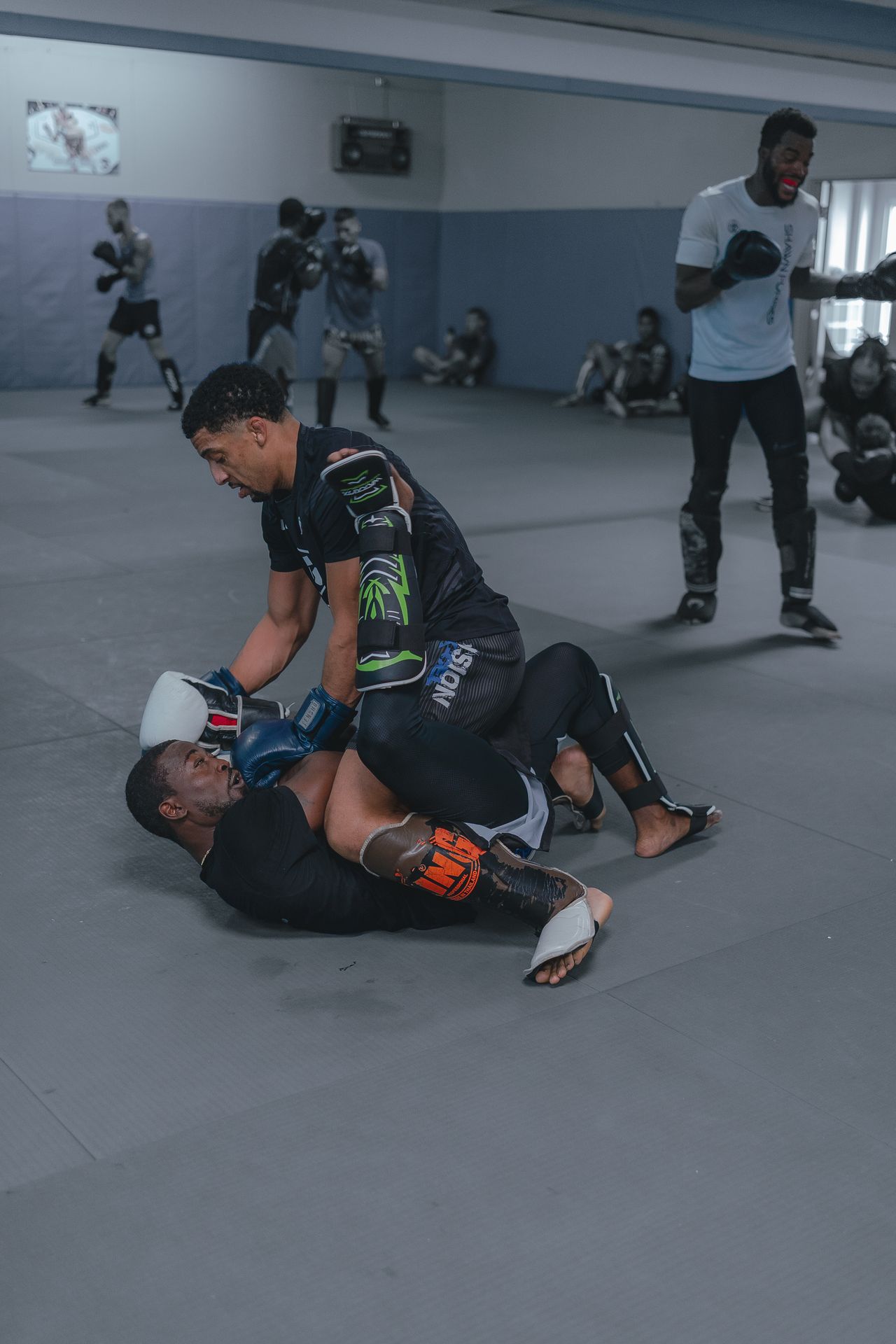
That foundation mattered because wrestling creates habits that translate directly into MMA. Balance, grip fighting, pressure, takedowns, positional control, and endurance are not optional skills in a cage. They decide where the fight happens and who gets to impose the terms. Dagestani fighters entered MMA with years of experience controlling bodies, defending scrambles, and staying calm in physically demanding exchanges.
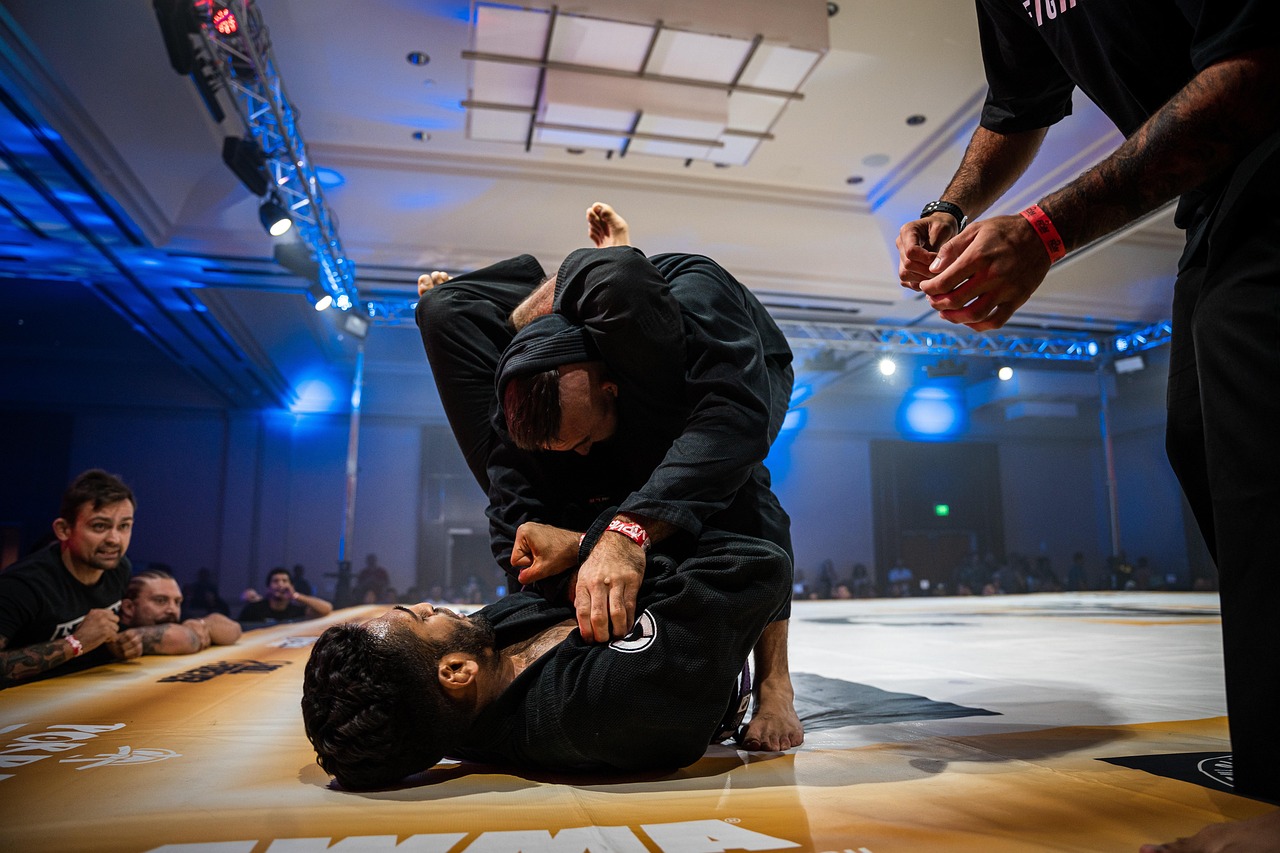
Sambo and judo added more layers. Instead of producing athletes who only knew one form of grappling, Dagestan’s combat sports environment created fighters who could blend wrestling pressure with trips, throws, clinch control, and submissions. By the time MMA became the international stage, the region already had many of the ingredients the sport rewards most.
How Dagestan as Combat Sports Factory Reached MMA
The global image of Dagestan as combat sports factory became impossible to ignore through Khabib Nurmagomedov. His undefeated MMA career gave the region a defining figure, but his importance was larger than his record. Khabib showed that a fighter could dominate elite opponents through pressure, control, patience, and relentless positional work.
His style was not built around one dramatic move. It was built around accumulation. He pushed opponents backward, forced them to defend takedowns, trapped them near the fence, controlled wrists and hips, and made each round feel like a physical argument they could not leave. That approach changed the way many fans viewed grappling. It was not simply a way to avoid striking. It was offense, defense, and strategy fused together.
Khabib’s success also highlighted the role of coaching and lineage. Abdulmanap Nurmagomedov’s influence helped turn family training, local wrestling culture, and broader combat sports knowledge into a system. Fighters connected to that world did not appear as isolated talents. They looked like products of a shared method.
Islam Makhachev carried that model forward at the highest level. Other Dagestani and North Caucasus fighters helped reinforce the same impression: this region was producing athletes with a recognizable competitive identity. They were composed, difficult to move, hard to discourage, and deeply prepared for the parts of MMA where many opponents break down.
Why Dagestan Changed the Modern Fight Game
Dagestan’s impact on MMA is not only about champions. It is about the way the sport adapted to them. Opponents facing Dagestani-style grapplers had to prepare for cage wrestling, chain takedowns, wrist rides, mat returns, and long stretches of defensive strain. The question was no longer simply whether a fighter had takedown defense. The question became whether that defense could survive repeated pressure without opening the next attack.
That changed training. More fighters began treating wrestling and grappling defense as full systems rather than separate skills. Coaches had to prepare athletes for opponents who could wrestle from open space, against the fence, and through transitions. Strikers had to learn that one defended takedown did not end the exchange. It often started the next one.
The region also changed the geography of combat sports imagination. For years, many fans understood elite fighting through familiar hubs: American wrestling rooms, Brazilian jiu-jitsu academies, Thai striking camps, Cuban boxing programs, Japanese martial arts traditions. Dagestan forced its way onto that map. It became one of the places people name when they talk about where modern fighters are made.
Dagestan as combat sports factory matters because it shows how regional culture can shape global sport. The fighters who came from that system did more than win matches. They changed preparation, tactics, scouting, and expectations. In modern MMA, Dagestan is no longer treated as a surprise source of talent. It is treated as one of the sport’s most important proving grounds.