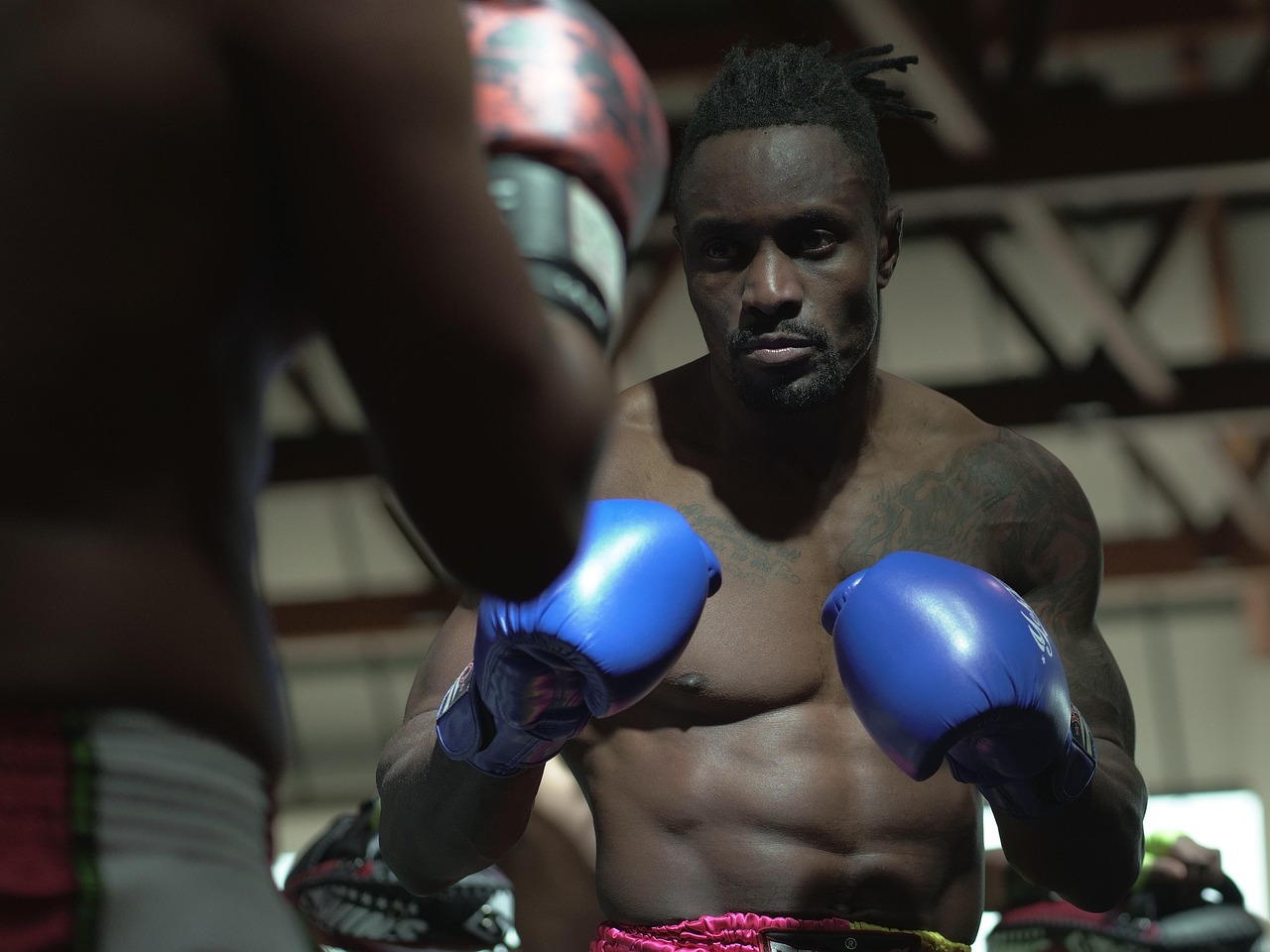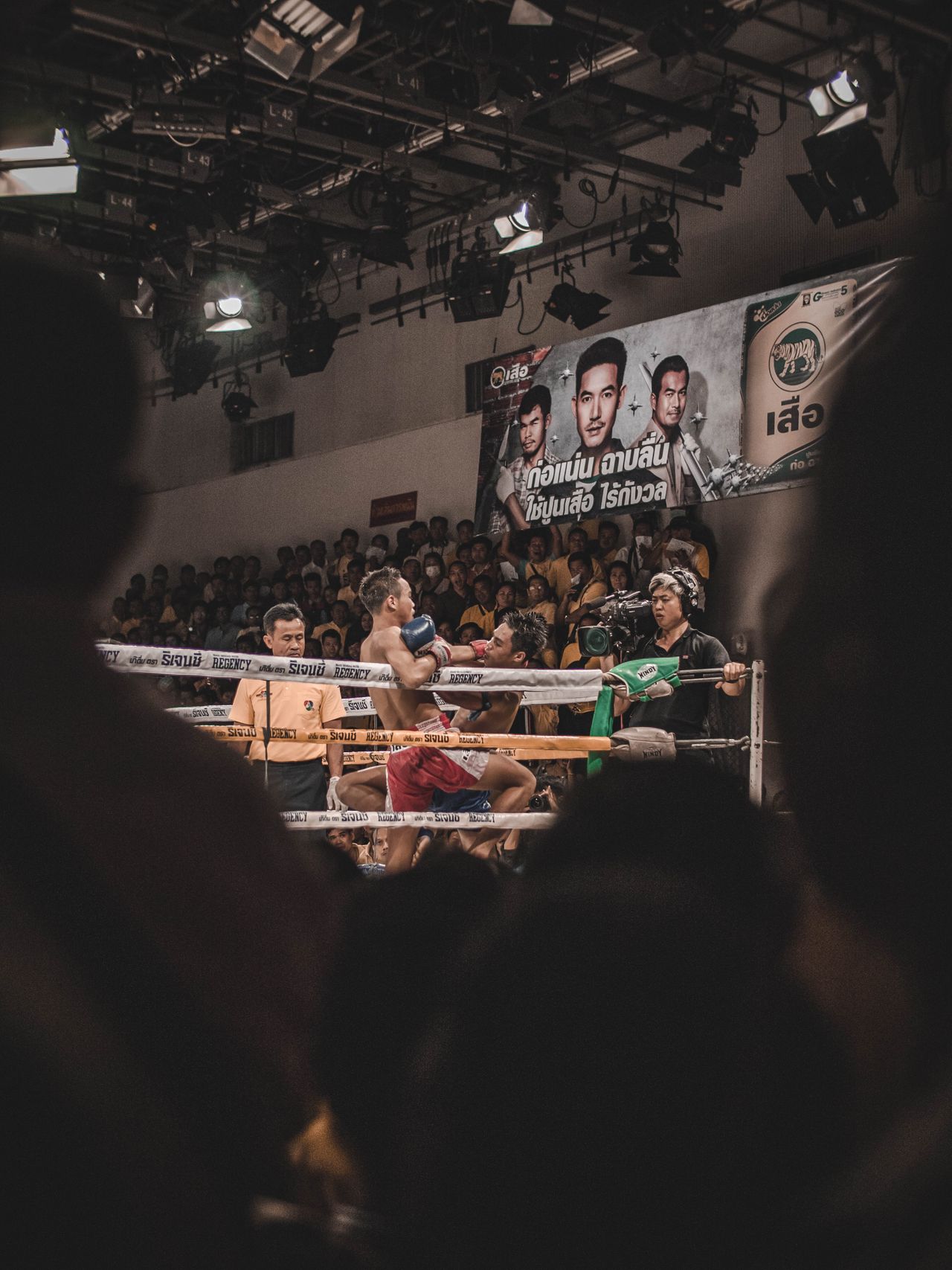
Valentina Shevchenko and technical violence belong together because her best performances rarely look rushed, reckless, or emotionally carried away. They look measured. Shevchenko built her reputation through a layered combat background that includes Muay Thai, kickboxing, grappling, and elite mixed martial arts, then turned that experience into one of the most controlled styles in the UFC. Her violence is not chaotic. It is organized through distance, timing, stance discipline, counters, clinch control, takedowns, and the ability to punish mistakes without wasting motion. That is why Shevchenko became more than a champion. She became a model for how complete, technical fighting can look when every phase of combat is connected.
From Muay Thai Roots to a Complete MMA Game
Shevchenko’s style begins with her striking background. Long before she became one of the defining fighters in women’s MMA, she had already developed the habits of a lifelong martial artist: balance, patience, defensive responsibility, and precision under pressure. Her Muay Thai base gave her more than kicks and counters. It gave her comfort in rhythm changes, clinch exchanges, body attacks, and controlled aggression.
That background matters because Shevchenko never entered MMA as a one-note striker trying to survive everywhere else. She became dangerous because her striking did not sit apart from the rest of her game. Her kicks set up distance. Her counters discouraged reckless entries. Her clinch work created throws and trips. Her takedowns made opponents hesitate before overcommitting on the feet.
In that sense, Shevchenko’s MMA style is not simply “striking plus grappling.” It is a connected system. She can win minutes without forcing exchanges, then shift suddenly when an opponent gives her the opening she has been waiting for. That patience is central to her identity. She does not need constant offense to control a fight. She uses threat, positioning, and timing to make opponents fight at her pace.
Valentina Shevchenko and Technical Violence in the Cage
Valentina Shevchenko and technical violence became most visible in the UFC because the flyweight division gave her room to show how complete her game had become. Against elite competition, she often looked less like a fighter chasing moments and more like one managing a full tactical map. She could strike from the outside, counter in the pocket, attack the body, finish in the clinch, or change levels when the fight called for it.
Her win over Joanna Jędrzejczyk for the UFC flyweight title showed that range clearly. Jędrzejczyk was one of the most accomplished strikers in women’s MMA, but Shevchenko’s timing, physical control, and variety gave her the cleaner command of the fight. It was not built on one dramatic moment. It was built on repeated technical answers: winning exchanges, disrupting rhythm, landing with accuracy, and forcing a high-level opponent into difficult positions.
That is the quiet force of Shevchenko’s best work. She often makes danger look procedural. A counter left hand, a body kick, a trip from the clinch, a top-control sequence, or a sudden submission threat can all appear from the same calm base. She does not need a fight to become wild to become dangerous. Her best performances show that technical violence can be just as decisive as pressure or power.
The phrase also fits because Shevchenko’s style does not depend on overwhelming opponents with volume alone. She is selective. She reads entries. She punishes patterns. She makes opponents pay for reaching, overextending, or hesitating. In a sport that often rewards visible urgency, Shevchenko’s game has shown the value of composure.
Why Shevchenko’s Style Still Shapes Women’s MMA
Shevchenko’s legacy is not only the title fights, highlight finishes, or championship reigns. It is the standard she helped set for complete fighters in women’s MMA. Her career showed that elite success required more than being dangerous in one area. The modern champion has to manage range, defend takedowns, threaten takedowns, strike in layers, survive scrambles, and make tactical adjustments across five rounds.
That influence matters because women’s MMA has evolved quickly. Early stars could sometimes dominate through one overwhelming advantage: judo, boxing, wrestling, size, speed, or pace. Shevchenko represented something more integrated. She was not just a striker who learned enough grappling. She became a fighter whose striking, clinch, takedowns, and control positions worked together.
Her presence also raised the technical expectations of the flyweight division. Opponents could not simply be tough, athletic, or aggressive. Against Shevchenko, mistakes became expensive. Fighters had to think about feints, stance, kick defense, entries, clinch exits, and positional safety. That forced the division around her to become sharper.
Shevchenko’s importance is ultimately tied to control. Combat sports often celebrate chaos because chaos is memorable. Shevchenko built a career by showing that control can be just as compelling. Her style made precision feel powerful, and her best fights remain examples of how technical mastery can become its own form of pressure.
Valentina Shevchenko and technical violence remain linked because her fighting identity is built on disciplined danger. She did not make her name by turning fights into disorder. She made it by bringing order to every part of the cage, then using that order to punish openings. That is why her career still matters in the evolution of modern MMA.