São Paulo is one of the most important boxing cities in Brazil because it combines population, sporting infrastructure, immigrant history, media visibility, and championship lineage. Brazilian boxing is not limited to São Paulo, and some of the country’s most famous fighters come from other states, but the city has a special place in the sport. It is both a training center and a symbolic home for Brazilian boxing achievement.
The city’s boxing identity starts with Éder Jofre. Born in São Paulo, Jofre became one of the greatest bantamweights and featherweights in boxing history, a world champion whose technical brilliance, timing, punching accuracy, and competitive intelligence gave Brazilian boxing a permanent place in global fight history. His importance goes beyond local pride. Jofre is not merely a famous boxer from São Paulo; he is one of the names that allows Brazil to appear in any serious conversation about the greatest fighters ever.
São Paulo’s boxing culture also includes Olympic significance. Servílio de Oliveira, born in São Paulo, won bronze at the 1968 Mexico City Olympics and became Brazil’s first Olympic boxing medalist. That achievement gave São Paulo another kind of boxing legacy. Jofre represented professional greatness. Servílio represented the amateur and Olympic pathway. Together, they show why São Paulo matters to Brazilian boxing from more than one angle.
The city’s size is part of the story. São Paulo is Brazil’s largest urban center and one of the largest cities in the world, which means boxing there draws from a massive pool of neighborhoods, classes, communities, and athletic backgrounds. The sport has room to exist in different forms at once: competitive amateur boxing, professional training, youth programs, recreational boxing, fitness boxing, and crossover work for athletes from MMA, kickboxing, and other combat sports.
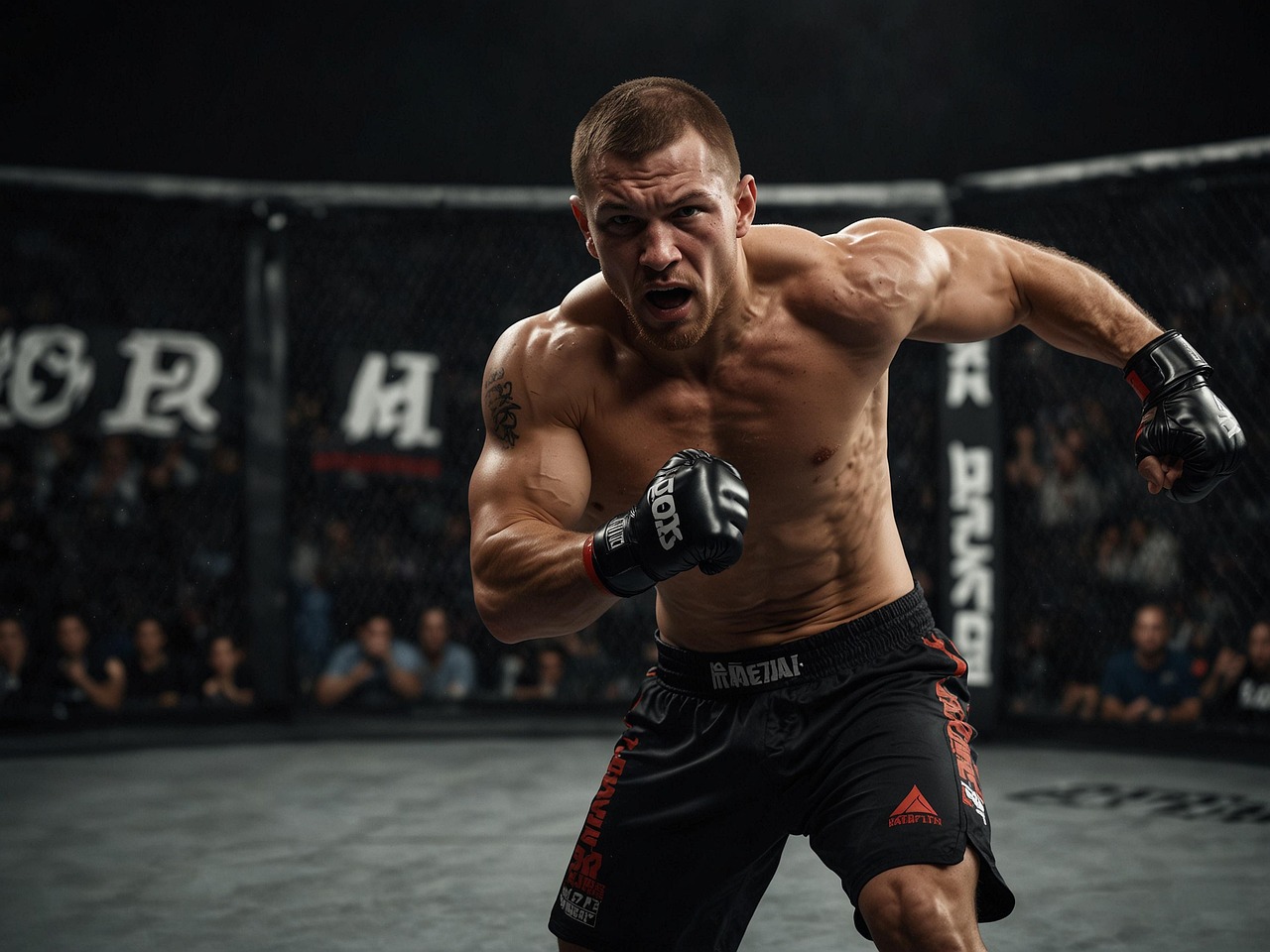
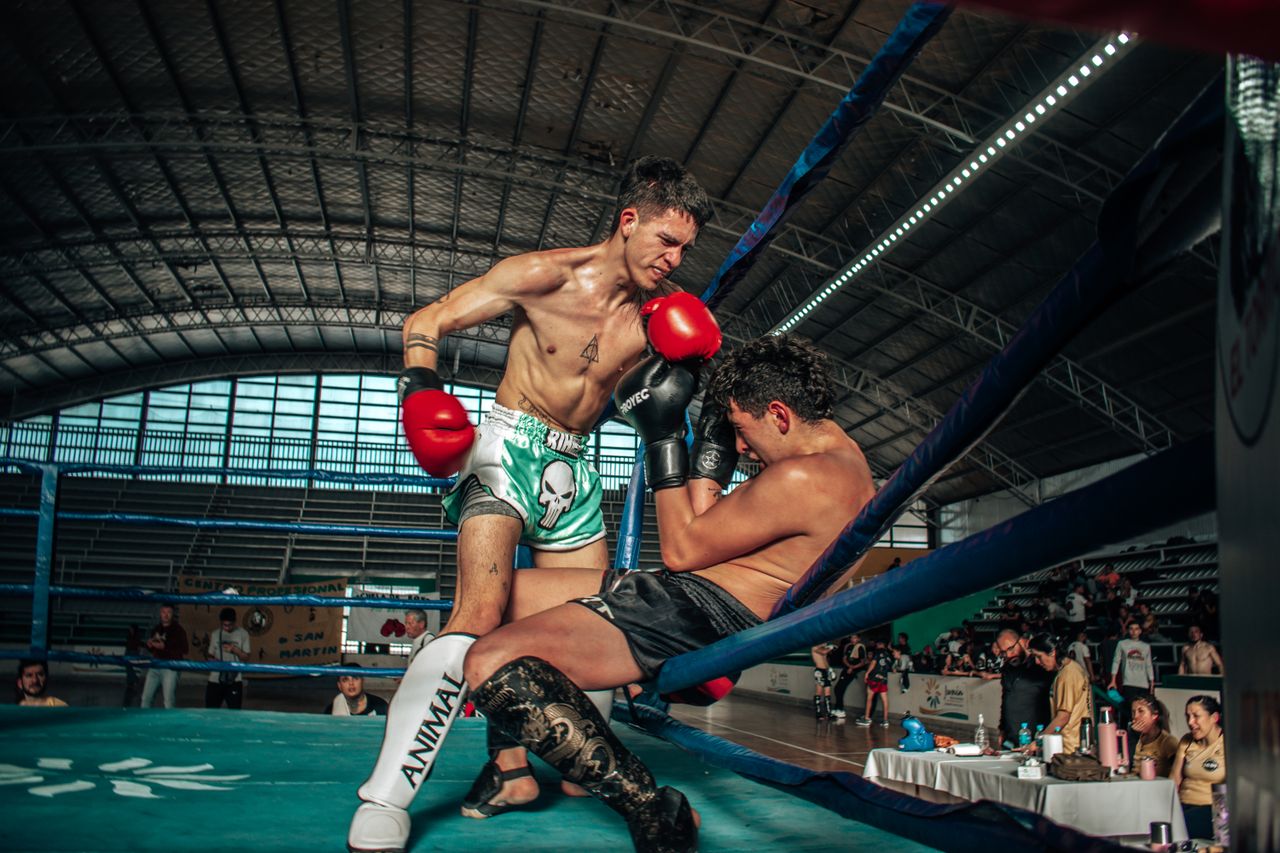
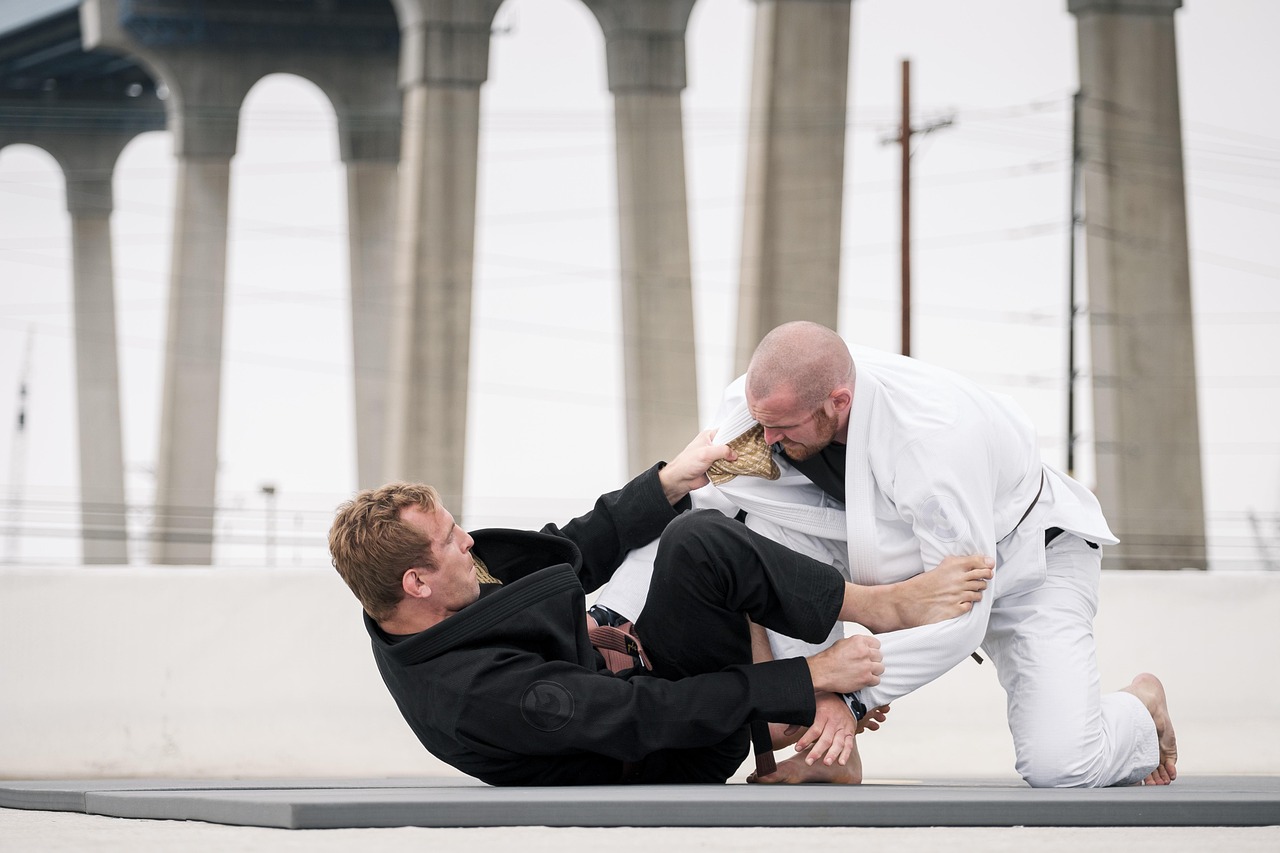
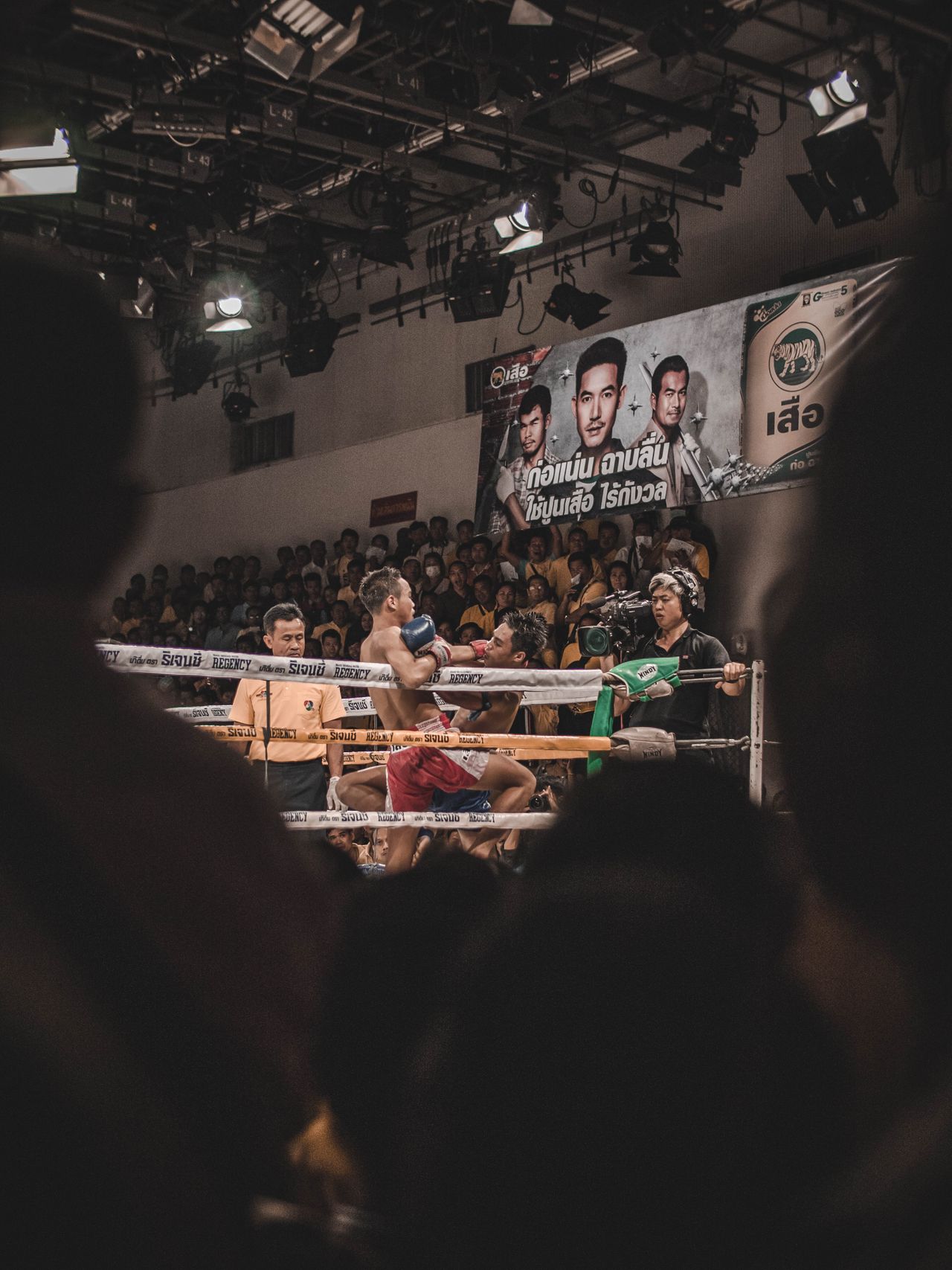
That crossover is important in Brazil. Brazilian fight culture is not boxing-only. It includes jiu-jitsu, MMA, Muay Thai, kickboxing, capoeira, and other combat traditions. In São Paulo, boxing often functions as both its own sport and as a striking base within a broader martial arts ecosystem. Some athletes train boxing because they want to box. Others train it because they need sharper hands for MMA or kickboxing. That makes the city’s boxing scene broad, but also competitive for attention.
Professional boxing in São Paulo benefits from the city’s event economy. São Paulo has the population, sponsorship base, venues, and media environment to support fight nights when promotion is strong. It has also become a natural location for hybrid combat-sports events and boxing exhibitions involving Brazilian combat-sports names. A recent example came with Spaten Fight Night 2 in São Paulo, where former boxing champion Acelino “Popó” Freitas was scheduled for an exhibition against MMA legend Wanderlei Silva, showing how the city can host boxing through both traditional and crossover formats.
The gym culture behind São Paulo boxing is layered. Serious boxing gyms still matter, especially for amateurs and professionals, but the city also has a large market for boxing as fitness. That creates the same tension seen in many major global cities: boxing as a competitive discipline versus boxing as lifestyle training. São Paulo has enough scale to support both. The challenge is making sure the competitive side continues to receive coaching depth, sparring quality, and organized opportunities.
São Paulo’s place in Brazilian boxing is secure because its legacy is too strong to ignore. Éder Jofre gives the city an all-time great. Servílio de Oliveira gives it Olympic history. The city’s size gives it infrastructure. Its combat-sports culture gives it relevance beyond traditional boxing audiences. The future of boxing in São Paulo will depend on how well those pieces are connected: youth development, amateur structure, professional promotion, women’s boxing, and crossover visibility. São Paulo is not just a Brazilian boxing city. It is one of the places where Brazilian boxing has repeatedly proven it can belong on the world stage.