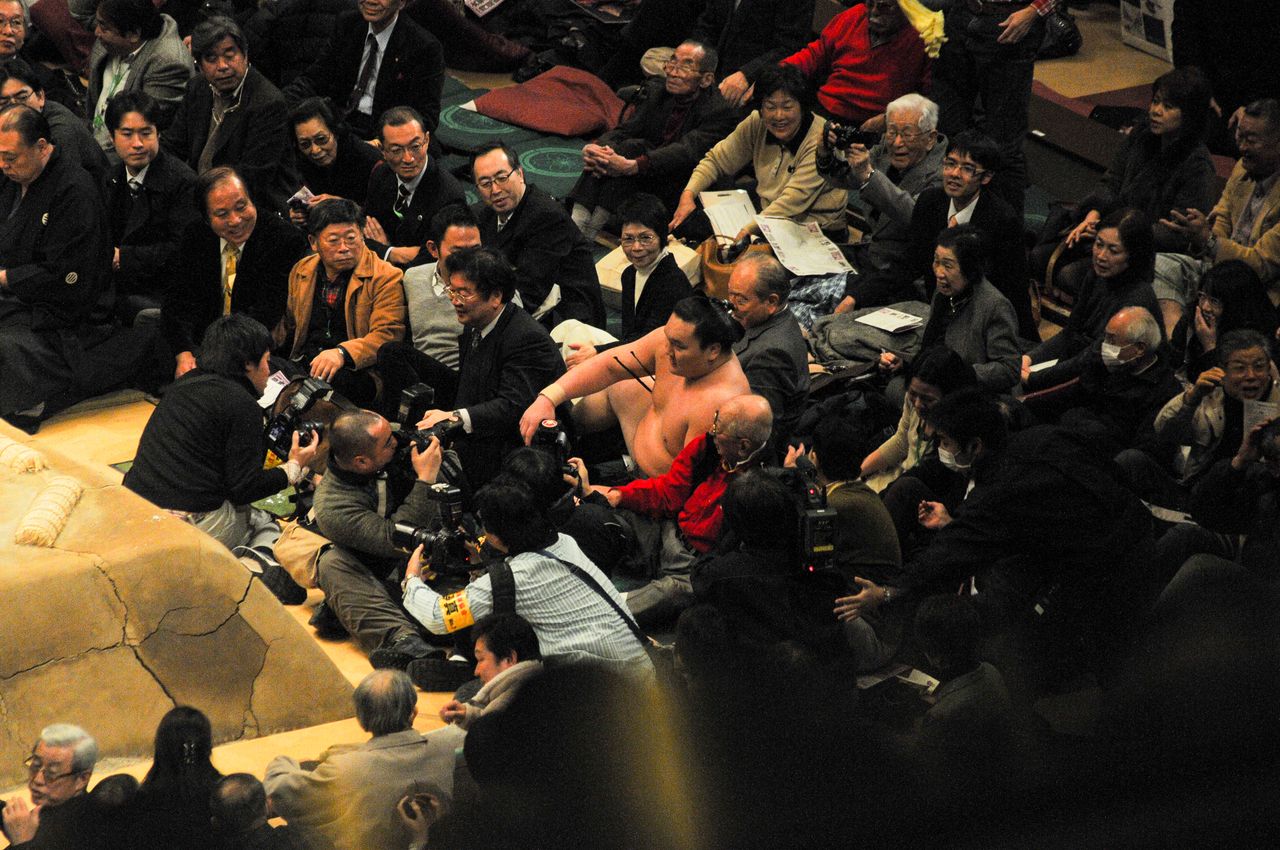
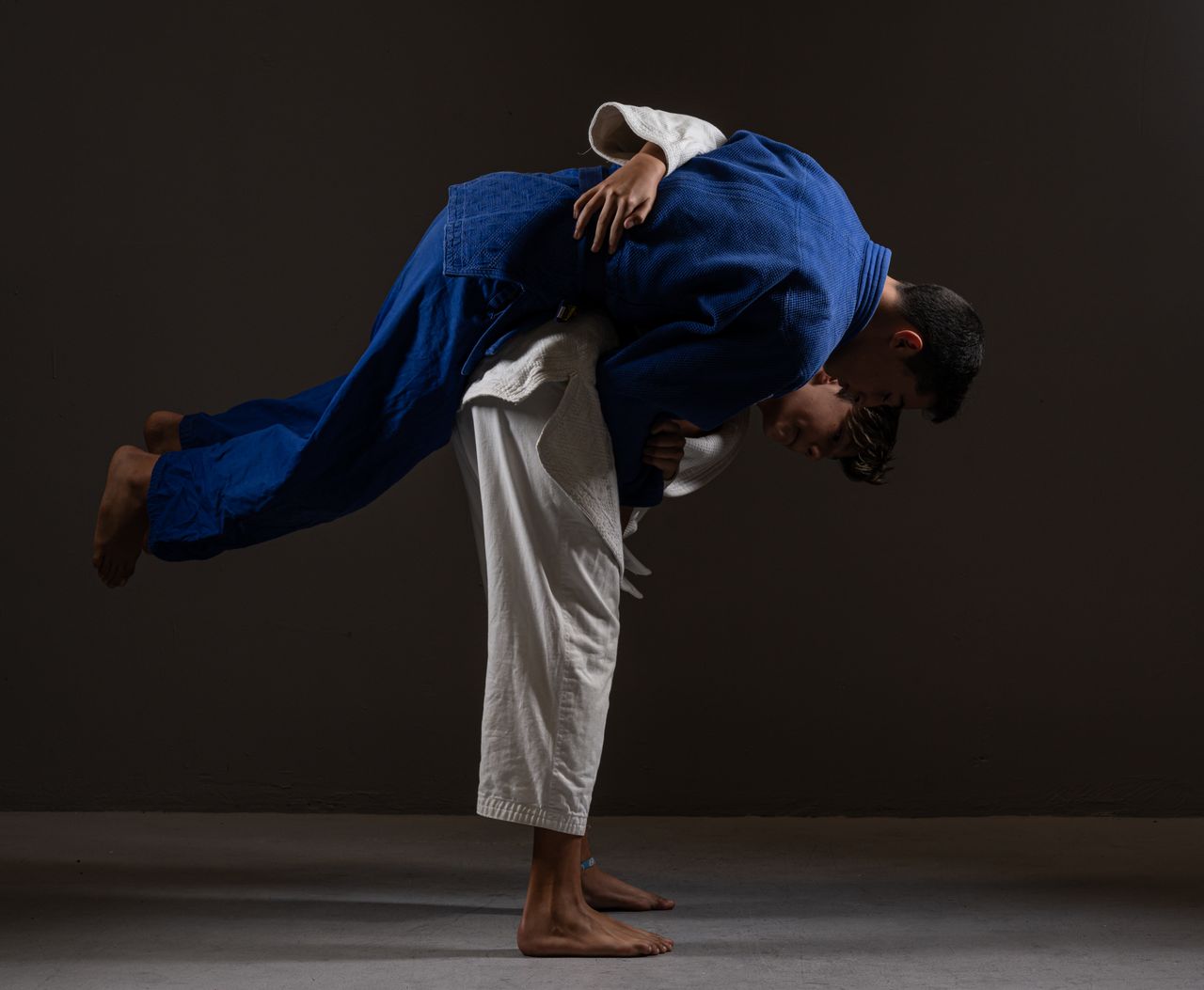
Japan is one of the most important combat sports countries in the world because fighting culture there is not built around one discipline. It is layered. Sumo gives Japan one of the oldest organized combat traditions still practiced at a national level. Judo was born in Japan and became one of the world’s most influential Olympic martial arts. Karate developed through Okinawan fighting systems before becoming a global discipline associated strongly with Japanese culture. Kickboxing, shoot-style fighting, professional wrestling, mixed martial arts, and elite boxing all added modern layers to a country that already had a deep martial identity.
That makes combat sports in Japan different from countries where the scene is mostly built around boxing gyms, MMA academies, or school wrestling. In Japan, the fight culture has both traditional and modern forms. A visitor might find a judo dojo connected to a school or university, a karate program with decades of history, a boxing gym serving professional fighters, a kickboxing academy tied to the country’s striking boom, a Brazilian jiu-jitsu school influenced by global grappling, or a modern MMA gym that draws from wrestling, judo, kickboxing, and submission fighting.
Japan also has a strong spectator culture for combat sports. Tokyo, Saitama, Osaka, Nagoya, Yokohama, Fukuoka, and other major cities have hosted major fight cards across boxing, kickboxing, MMA, sumo, and professional wrestling. The Japanese audience has long supported technical fighters, dramatic tournament formats, and athletes who cross between disciplines. The country’s combat sports identity is not only about participation. It is also about presentation, ritual, promotion, and the way different fight styles are treated as serious sporting cultures.
For beginners, Japan offers one of the broadest martial arts environments in the world. For competitive athletes, it offers deep technical traditions, disciplined training rooms, and serious striking and grappling instruction. For fans, it remains one of the defining countries in the history of modern combat sports.
Judo, Karate, and Sumo as the Traditional Foundation
Any serious discussion of combat sports in Japan has to begin with the traditional base. Judo, karate, and sumo are not simply activities within the broader scene. They are major pillars that shaped how Japan approaches combat, discipline, technique, competition, and martial education.
Judo is especially important because it became one of Japan’s most successful global sporting exports. Built around throws, pins, submissions, balance, and leverage, judo shaped modern grappling far beyond Japan. Its influence can be seen in Olympic sport, police training, self-defense programs, Brazilian jiu-jitsu, sambo, mixed martial arts, and countless national martial arts systems. In Japan, judo is closely tied to schools, universities, police institutions, and formal dojo culture. It is one of the clearest examples of how a martial art can function as both a traditional discipline and a modern competitive sport.
Karate gives Japan another worldwide martial arts identity, especially through its Okinawan roots and later development on the Japanese mainland. Karate training varies widely by style and school, but its core place in Japanese combat sports comes through striking, kata, discipline, self-defense, and competition. Some karate programs focus heavily on traditional forms and character development. Others emphasize sparring, tournament competition, or full-contact striking. That range is part of why karate remains relevant in Japan for children, adults, recreational students, and serious martial artists.
Sumo stands apart because it is both a sport and a cultural institution. It is not usually grouped with modern MMA or boxing training, but it is one of the purest expressions of Japanese combat sport. The rules are simple, the training is demanding, and the ceremonial structure gives sumo a public identity unlike any other fight discipline. For people trying to understand combat sports in Japan, sumo shows that the country’s fight culture did not begin with modern gyms or televised promotions. It has deep roots in ritualized competition, physical hierarchy, technique, and national tradition.
Together, judo, karate, and sumo give Japan a combat sports foundation that is older and broader than the modern fight gym model. They explain why martial arts in Japan often carry a sense of structure and lineage, even when the training is practical, recreational, or competition-focused.
Boxing in Japan and the Rise of Elite Striking
Boxing has a major place in Japanese combat sports, especially in the professional ranks. Japan has produced world-class boxers across lighter weight divisions and has a strong domestic boxing circuit centered around serious gym culture, disciplined coaching, and competitive matchmaking. While boxing may not have the same ancient cultural position as judo or sumo, it has become one of Japan’s most successful modern combat sports.
Tokyo is the main center of Japanese boxing, but the sport is not limited to the capital. Osaka, Nagoya, Yokohama, Fukuoka, and other urban areas have boxing gyms and professional pathways. Japanese boxing culture is often associated with technical development, conditioning, humility inside the gym, and a clear progression from amateur or novice training into professional competition. Fighters tend to be built carefully, and successful Japanese boxers often become major national sports figures.
The popularity of elite Japanese boxing has also helped keep striking sports visible to a wider audience. Smaller weight classes, which are sometimes overlooked in other markets, receive serious respect in Japan. This has allowed Japanese fighters to become global names without needing the heavyweight-centered boxing culture that dominates in some countries.
Boxing gyms in Japan serve different types of students. Some are professional environments built around active fighters. Others are more accessible to beginners who want fitness, fundamentals, or recreational sparring. A person searching for boxing in Japan will usually find the strongest access in dense urban areas, where commuter traffic and neighborhood gym culture support steady membership.
Japan’s broader striking scene also benefits from the country’s long relationship with kickboxing. Japanese kickboxing helped shape the global development of the sport, and promotions such as K-1 turned stand-up fighting into a major entertainment product. That kickboxing legacy still matters. It connects karate, Muay Thai influence, boxing technique, and modern combat sports entertainment in a way that feels distinctly Japanese.
Kickboxing, Karate Influence, and Stand-Up Fight Culture
Japan has one of the world’s most important histories in kickboxing. The country was central to the development and popularization of modern kickboxing, particularly through its blending of karate, boxing, and Muay Thai concepts. This makes Japan different from countries where kickboxing arrived mainly as an imported fitness trend. In Japan, kickboxing became a competitive scene, a television product, a professional pathway, and a bridge between traditional martial arts and modern fight sports.
The Japanese striking scene has often rewarded speed, timing, accuracy, combinations, low kicks, and technical variety. Fighters with karate backgrounds, boxing skills, and Muay Thai tools have all found places within the broader kickboxing environment. That diversity created a style landscape where full-contact karate, shoot boxing, K-1 rules, and other stand-up formats could coexist.
Tokyo has long been the strongest hub for professional striking, but Osaka and other major cities also matter. Events, gyms, and fight teams tend to cluster around large urban markets where there are enough athletes, coaches, fans, and venues to support regular competition. For students, this means Japan can offer everything from traditional karate instruction to hard sparring kickboxing gyms and hybrid striking programs connected to MMA.
Karate remains an important part of this ecosystem because it gives many students their first structured experience with martial arts. Some students stay within karate for years, focusing on grading, kata, sparring, and tournament rules. Others eventually move into kickboxing, MMA, or boxing. Japan’s striking culture allows those transitions because the country has both traditional schools and modern combat sports gyms.
For visitors and new residents, the key distinction is that “striking sports in Japan” does not mean only one thing. It can mean Olympic-style karate, full-contact karate, boxing, kickboxing, Muay Thai, shoot boxing, or MMA striking. The right environment depends on the student’s goal. A beginner looking for discipline and basics may choose karate or boxing. A competitor wanting hard stand-up rounds may look for kickboxing. An MMA athlete will likely need striking that is adapted for takedown defense, cage positioning, and smaller gloves.
MMA in Japan and the Legacy of Hybrid Fighting
Japan holds a major place in the history of mixed martial arts. Long before MMA became a global mainstream product, Japan had already developed a deep interest in hybrid fighting, shoot-style competition, grappling-versus-striking matchups, and promotions that tested different martial arts against each other. Organizations and movements such as Shooto, Pancrase, and PRIDE helped define the sport’s early international identity.
This history matters because MMA in Japan did not simply arrive from abroad. It developed through local martial arts culture, professional wrestling influence, judo, catch wrestling, kickboxing, karate, and submission fighting. Japanese MMA became known for technical experimentation, open-weight spectacles, tournaments, dramatic entrances, and fighters willing to cross between disciplines. Even as the global center of MMA shifted toward the UFC and North America, Japan remained historically essential to the sport’s development.
Today, MMA training in Japan is strongest in major cities. Tokyo has the deepest concentration of gyms, coaches, promotions, and cross-training opportunities. Osaka, Nagoya, Yokohama, Fukuoka, and Sapporo also offer serious options, though the density varies. A modern MMA gym in Japan may combine kickboxing, wrestling, judo, Brazilian jiu-jitsu, submission grappling, and cage-specific training. Some academies are competition-driven, while others offer MMA classes for fitness, self-defense, or general martial arts development.
Japan’s MMA identity is also connected to its lighter weight talent, technical grappling, striking variety, and willingness to blend entertainment with sport. While the country is no longer the single global center of MMA that it appeared to be during the PRIDE era, it remains one of the sport’s most important historical homes. Promotions such as RIZIN have helped preserve Japan’s large-event fight culture while giving Japanese and international fighters a visible stage.
For athletes, MMA in Japan can be both appealing and demanding. The training environment often rewards discipline, technical detail, and respect for the room. Foreign students may find excellent instruction, but language, gym etiquette, and membership norms can vary. For fans, Japan remains a place where MMA is understood through a different historical lens than in the United States, Brazil, or Europe. It is not only cage fighting. It is part of a broader lineage of martial arts, spectacle, and hybrid combat.
Grappling, Wrestling, Brazilian Jiu-Jitsu, and Submission Arts
Japan’s grappling scene is deep because it draws from multiple sources. Judo is the oldest and most nationally embedded foundation. Amateur wrestling has produced high-level competitors and has a place in school, university, and Olympic sport. Submission wrestling and catch-influenced systems helped shape early Japanese MMA. Brazilian jiu-jitsu grew through global exchange, especially as MMA and submission grappling became more international.
For a student looking for grappling in Japan, the first choice is often between judo, Brazilian jiu-jitsu, wrestling, and submission grappling. Judo is ideal for throws, pins, balance, grip fighting, and traditional dojo structure. BJJ focuses more heavily on ground control, guard work, positional strategy, and submissions. Wrestling emphasizes takedowns, pressure, scrambling, and athletic control. Submission grappling blends techniques from multiple systems and is often closely tied to MMA.
Brazilian jiu-jitsu in Japan has a meaningful place because of the long historical relationship between Japanese grappling and the development of BJJ itself. Judo and jujutsu concepts traveled abroad, evolved in Brazil, and later returned to Japan through modern BJJ and vale tudo influence. That exchange gives grappling in Japan an unusually circular history. It is not simply an imported sport. It is a modern return of ideas that partly began in Japanese martial traditions.
Tokyo has the broadest BJJ and submission grappling access, especially for adults looking for structured classes. Osaka and other large cities also have academies, while smaller areas may have fewer options. Judo, by contrast, is more deeply embedded across schools, universities, and traditional martial arts networks. Wrestling access can be more specialized, often tied to school programs, universities, or competition clubs rather than commercial adult gyms.
Grappling in Japan also connects naturally to MMA. Fighters with judo or wrestling backgrounds often bring strong clinch work, balance, and takedown ability into the sport. BJJ and submission grappling add ground finishing skills and positional control. A well-rounded MMA athlete in Japan is likely to cross-train across several of these systems, especially in cities where multiple gyms are accessible.
Where Training Is Most Active in Japan
Combat sports training in Japan is heavily shaped by urban geography. Tokyo is the clear center because of its population, transportation network, fight history, media presence, and concentration of gyms. Someone searching for MMA, boxing, kickboxing, karate, judo, or Brazilian jiu-jitsu in Japan will usually find the widest range of options in the Tokyo area. The greater Tokyo region also includes nearby cities such as Yokohama, Kawasaki, Saitama, and Chiba, which expand the training map beyond the central wards.
Osaka is another major combat sports market. It has a strong urban sports culture, access to boxing and kickboxing gyms, and enough density to support serious martial arts training. Nagoya, Fukuoka, Sapporo, Kyoto, Kobe, Hiroshima, and Sendai can also offer meaningful combat sports access, though the range of gyms may depend more heavily on the specific discipline.
Okinawa deserves separate mention because of karate’s historical roots there. For martial artists interested in traditional karate, Okinawa is not simply another regional market. It is a place of origin, lineage, and cultural depth. Training in Okinawa can appeal to students who are interested in history and traditional practice, not only sport competition.
In smaller Japanese cities and towns, combat sports access can be uneven. Judo and karate may be easier to find than MMA or BJJ because they are more deeply embedded in local institutions and long-standing dojo networks. Boxing, kickboxing, and MMA are more likely to cluster around areas with enough population to support commercial gyms and competition teams.
For beginners, Japan offers many possible entry points. Children often begin through karate, judo, or school-related sports. Adults may choose boxing or kickboxing for fitness, BJJ for technical grappling, MMA for all-around training, or traditional martial arts for discipline and structure. Parents looking for youth programs will usually find the clearest pathways through karate and judo, while adults looking for modern combat sports may need to search more carefully by city and neighborhood.
Competition Pathways and Fight Culture
Japan’s combat sports competition structure is broad because it includes traditional tournaments, Olympic pathways, professional fight promotions, amateur circuits, school programs, university teams, and recreational events. A judoka, karateka, boxer, kickboxer, wrestler, BJJ competitor, and MMA fighter may all live inside the same national combat sports ecosystem, but their development paths can look very different.
Judo athletes often progress through schools, universities, clubs, and national competition structures. Karate students may follow style-specific tournaments, national federation events, or full-contact circuits depending on their school. Boxers move through amateur and professional systems, with serious gyms playing a major role in development. Kickboxers and MMA fighters often rely on gym teams, regional promotions, and professional opportunities that are concentrated in larger cities.
The country’s fan culture also helps sustain competition. Japan has long supported major fight events that feel different from standard arena sports. Presentation matters. Entrances, tournament brackets, ceremony, rivalry, and technical appreciation are all part of the atmosphere. Saitama Super Arena, Tokyo venues, and historic fight halls have helped create a setting where combat sports can feel both athletic and theatrical.
At the grassroots level, the culture is often quieter and more disciplined. Many gyms emphasize respect, repetition, cleanliness, hierarchy, and consistency. Beginners are expected to learn the room before trying to prove themselves. That culture can be an advantage because it creates stable training environments. It can also require adjustment for foreigners used to more casual gym norms.
Japan’s competition culture is also shaped by technical respect. Fighters who show skill, courage, composure, and discipline can earn appreciation even when they are not the biggest or loudest athletes. This has helped lighter weight fighters, technical strikers, and grapplers receive serious attention. It is one of the reasons Japan has remained such an important country for combat sports fans who value craft as much as spectacle.
What Makes Japan Different as a Combat Sports Destination
Japan is not just a place where combat sports exist. It is one of the countries that helped define what modern combat sports could become. Its traditional systems influenced martial arts around the world. Its judo and karate cultures shaped global training. Its sumo tradition preserved a native combat sport with national ceremony. Its kickboxing scene helped develop modern stand-up fighting. Its MMA promotions helped establish the idea that different fighting systems could meet on a major stage.
That range makes Japan especially valuable for anyone trying to understand combat sports as a whole. In some countries, the fight scene is easy to summarize because one discipline dominates. Japan resists that kind of simplification. It is a judo country, a karate country, a sumo country, a boxing country, a kickboxing country, and one of MMA’s historical centers. The balance changes depending on whether the focus is tradition, participation, professional competition, Olympic sport, or entertainment.
For beginners, Japan offers structured martial arts training with strong technical foundations. For competitive athletes, it offers serious rooms in striking, grappling, and mixed martial arts. For fans, it offers a fight culture with some of the most influential promotions, athletes, and venues in combat sports history. For travelers, it offers the chance to experience martial arts not as a trend, but as part of the country’s sporting and cultural fabric.
The best way to approach combat sports in Japan is to recognize the layers. A Tokyo MMA gym, an Okinawan karate dojo, a university judo program, a professional boxing gym, a kickboxing event, and a sumo tournament are not separate accidents. They are all part of a country where fighting systems have been studied, organized, performed, and modernized for generations. That is what gives combat sports in Japan their depth. The scene is not defined by one rule set. It is defined by a long relationship with the art, sport, discipline, and spectacle of fighting.