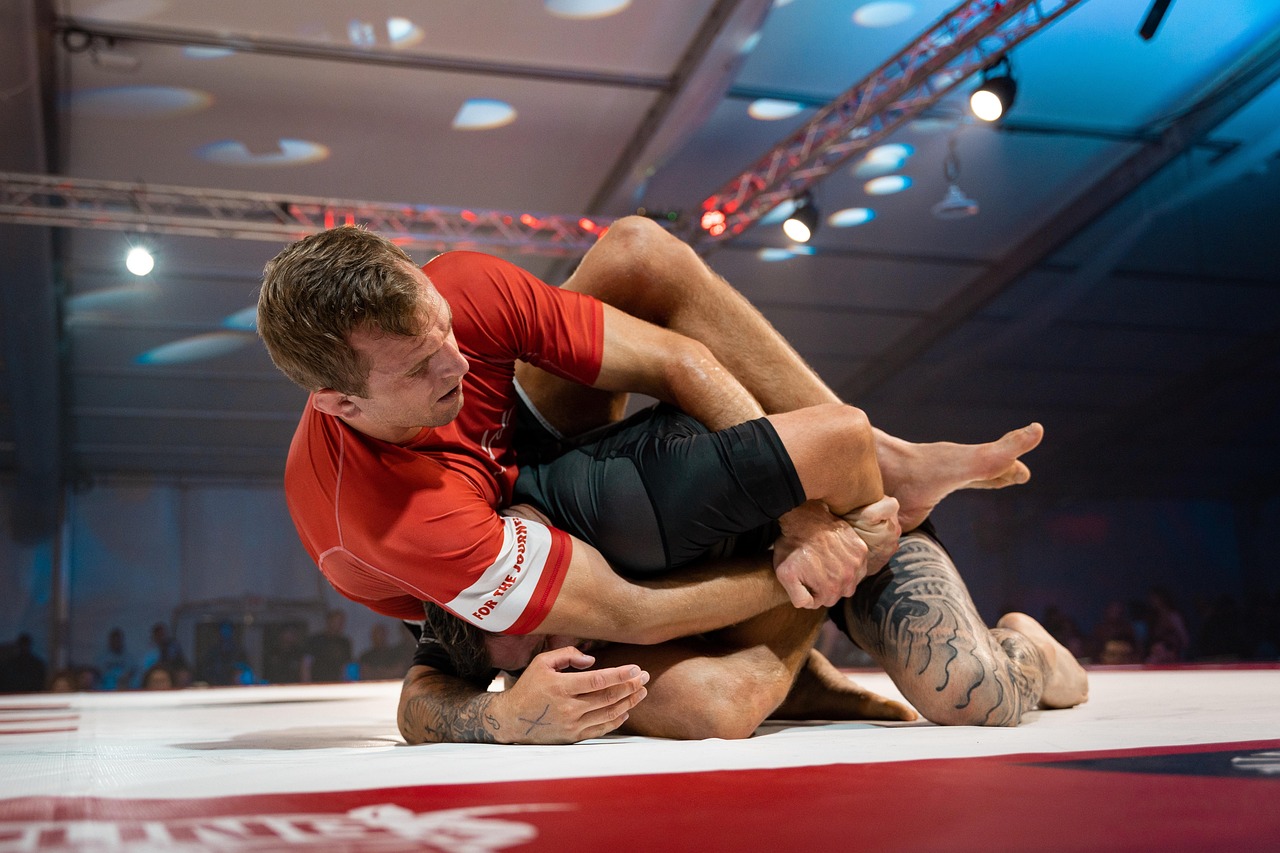
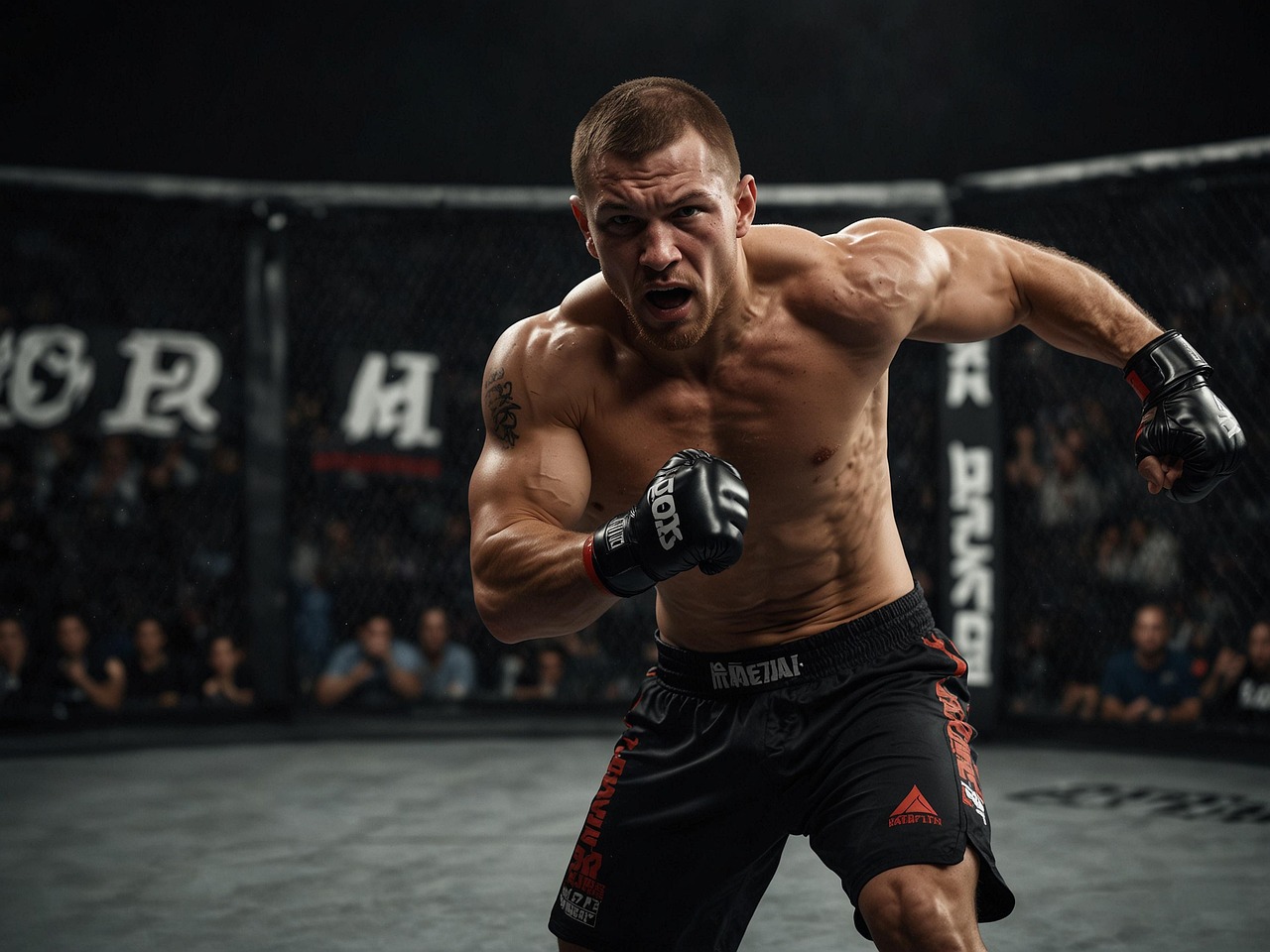
Henry Cejudo and combat-sports reinvention are tied together because his career did not follow the usual path of a decorated wrestler entering MMA and staying inside one lane. Cejudo arrived with Olympic credibility, but wrestling alone was not enough to define his UFC career. He had to rebuild his striking, sharpen his timing, manage smaller weight classes, and become a complete mixed martial artist under the pressure of title fights. That evolution turned him from an Olympic gold medalist into a UFC champion at flyweight and bantamweight. His story matters because it shows how reinvention is not a side note in combat sports. For some fighters, it becomes the whole career.
From Olympic Gold to a Different Kind of Combat
Cejudo’s first identity was built on wrestling. He won Olympic freestyle gold for the United States in 2008, competing at a size where speed, balance, timing, and position mattered as much as raw strength. That background gave him a foundation many fighters spend years trying to build. He understood leverage. He understood pressure. He understood how to win exchanges that happen before most spectators notice anything has begun.
But MMA has never rewarded a single skill forever. Wrestling can decide where a fight takes place, but it cannot answer every problem. A fighter still has to survive distance, deal with kicks, read punching exchanges, defend submissions, and manage five-round fatigue under a different kind of pressure. For an Olympic wrestler, MMA can look like familiar territory until the cage starts asking unfamiliar questions.
That was the challenge Cejudo faced. His credentials gave him instant respect, but they also created expectations. He was not simply another prospect trying to learn on the job. He was an Olympic champion entering a sport where every opponent knew what he wanted to do. If he stayed only a wrestler, he risked becoming predictable. To become something larger, he had to turn his best skill into the base of a broader game.
Henry Cejudo and Combat-Sports Reinvention in the UFC
Henry Cejudo and combat-sports reinvention became a real story when his UFC career started to change shape. Early in his MMA run, his wrestling gave him a clear route to victory, but the highest levels of the flyweight division demanded more. Demetrious Johnson, one of the most complete champions in UFC history, showed how narrow the margin could be. Johnson’s movement, clinch work, transitions, and pace forced Cejudo to confront the difference between being elite in one discipline and being elite in MMA.
The rematch with Johnson became the turning point. Cejudo did not win by abandoning wrestling. He won by making it part of a more complete tactical package. He used stance discipline, pressure, improved striking entries, and moments of control to make the fight competitive everywhere. The victory gave him the flyweight title, but it also changed the way his career was understood. He was no longer just an Olympic wrestler trying MMA. He had become a fighter capable of adapting at championship speed.
The next reinvention came at bantamweight. Moving up meant facing larger opponents and different threats. Cejudo’s win over Marlon Moraes showed how much his game had expanded. After dealing with early danger, he adjusted, pressured forward, attacked with strikes, and finished the fight to win a second UFC title. That victory mattered because it proved his transformation was not limited to one division or one matchup. He could carry his wrestling base into a different weight class and still find ways to win against elite opposition.
His championship run also changed his public image. Cejudo leaned into promotion, nicknames, and performance, but the real substance was competitive. The persona drew attention, yet the foundation remained technical growth. His career became a case study in how an athlete can use one elite skill as a starting point without being trapped by it.
Why Cejudo’s Career Still Matters
Cejudo’s legacy is not only that he won Olympic gold or became a two-division UFC champion. It is that he connected two combat-sports worlds and succeeded at the highest level in both. Many fighters enter MMA with a strong base. Far fewer turn that base into a complete championship identity.
His career also shows how small divisions require constant evolution. At flyweight and bantamweight, speed punishes hesitation, scrambles happen quickly, and technical gaps are exposed fast. Cejudo had to become efficient in places where wrestling alone could not carry him. His best work came when he blended pressure, striking confidence, clinch control, and championship composure into one approach.
That is why his story fits the larger history of combat-sports reinvention. The best fighters are rarely finished products when they first become famous. They are forced to solve new problems in public. Cejudo solved enough of them to move from wrestling history into MMA history.
Henry Cejudo remains one of the clearest examples of how reinvention can define a combat-sports career. His Olympic gold gave him a foundation, but his MMA success came from adaptation. He did not leave wrestling behind. He built on it until his identity became larger than the discipline that first made him great.