Royce Gracie and Brazilian jiu-jitsu’s takeover changed combat sports because it proved that a fight could be controlled in places many fighters had not been trained to survive. Before the early UFC events, American audiences often understood fighting through boxing, kickboxing, karate, wrestling, and size. Gracie entered that world with a different answer. He did not rely on intimidation, power punching, or athletic spectacle. He used distance, clinches, trips, guard work, positional control, and submissions to show that leverage could defeat larger opponents. His early victories did not just make him famous. They forced mixed martial arts to become a more complete sport.
Before the UFC, Most Fighters Had Incomplete Answers
The first Ultimate Fighting Championship in 1993 was built around a simple question: which fighting style would work best when athletes from different disciplines met under a limited rule set? The answer was not obvious to most viewers at the time. Boxing had the clearest professional structure. Kickboxing and karate had visible striking traditions. Wrestling had long-standing credibility as a combat sport. Size and toughness were easy to understand.
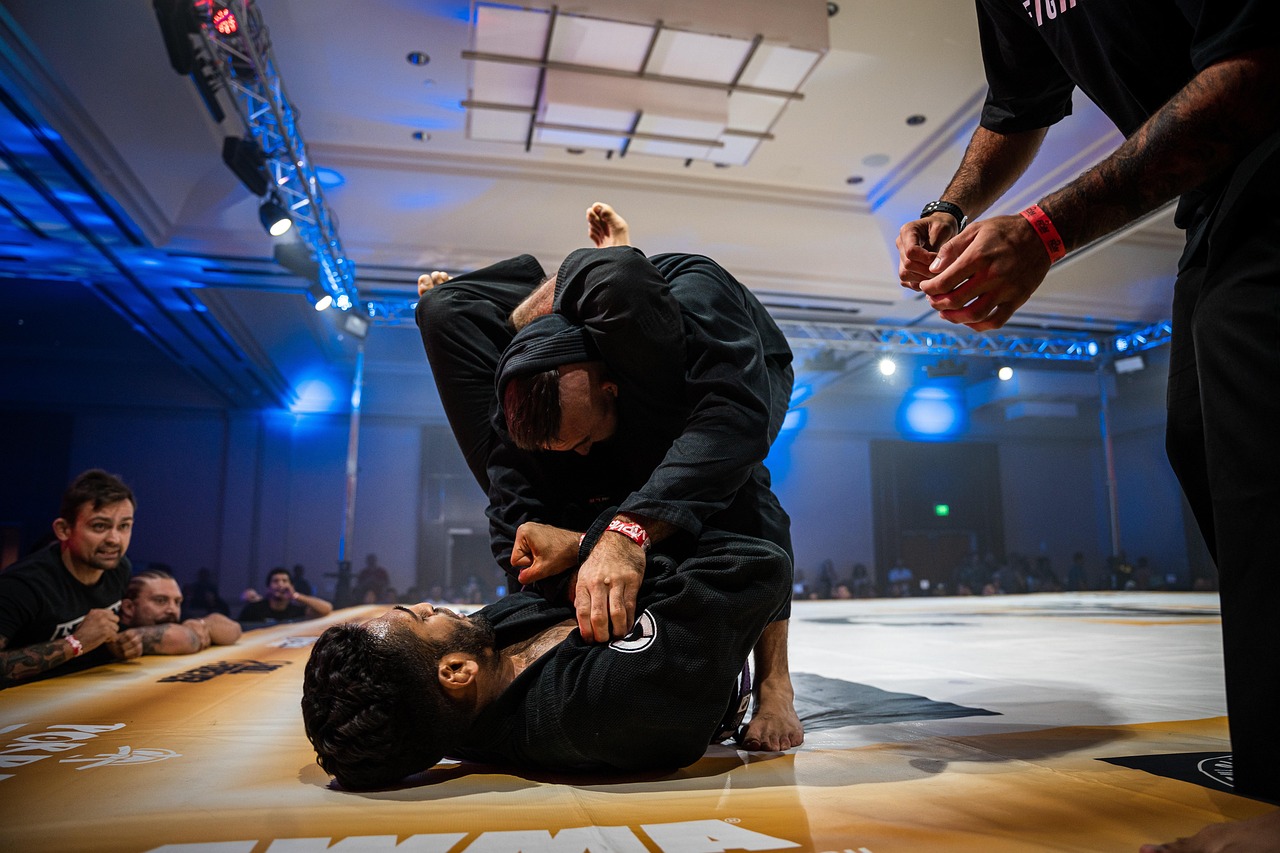
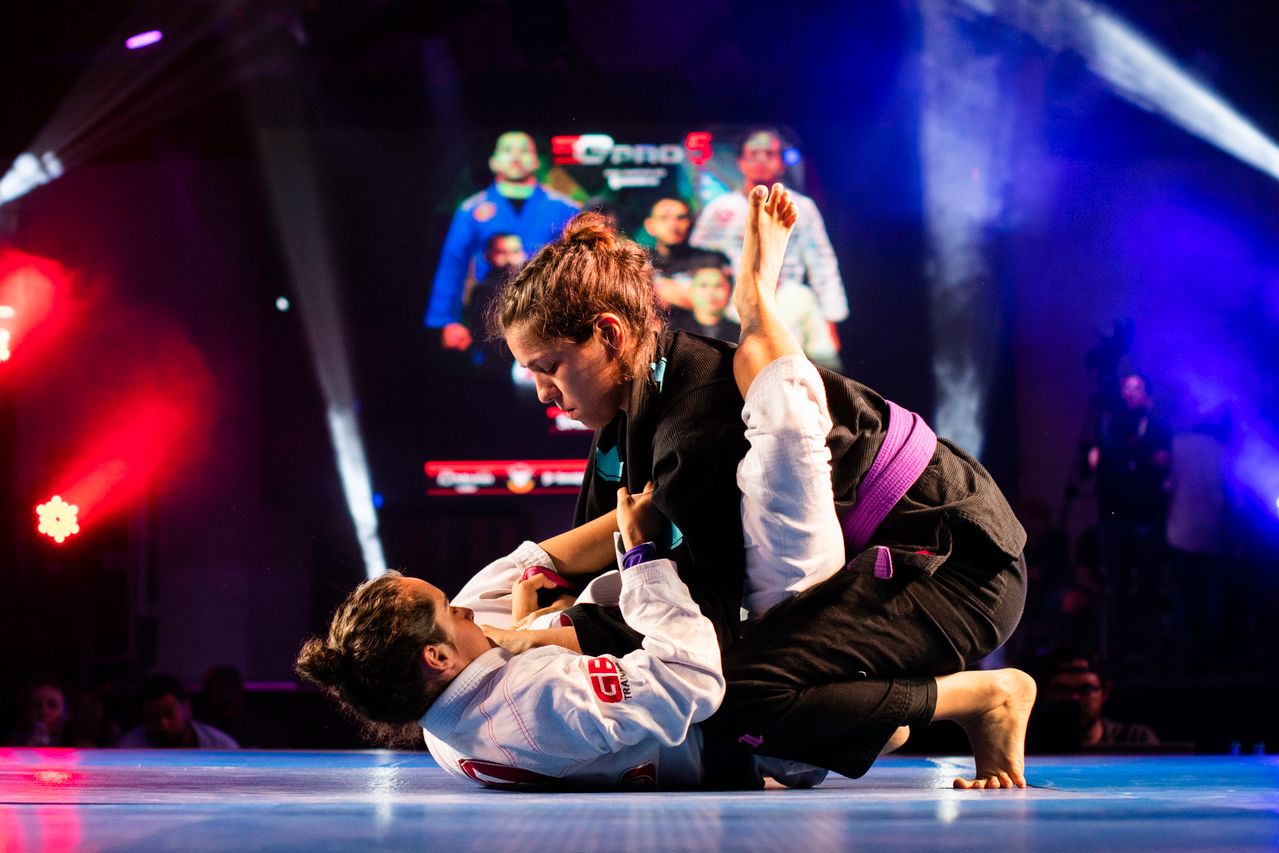
Brazilian jiu-jitsu was different. To many American fans, it was unfamiliar and visually less dramatic. It did not begin with high kicks or heavy combinations. Its strength was in closing distance, removing the opponent’s balance, taking the fight to the ground, and applying submissions from positions where an untrained opponent had few good choices.
That made Royce Gracie an unusual figure for a new combat-sports audience. He was not the biggest athlete in the tournament. He was not presented as the most physically overwhelming. His importance came from representing a system that challenged the assumptions around fighting itself. If a striker could be taken down, if a larger opponent could be controlled, and if a fight could end through a choke or joint lock, then every serious fighter had to reconsider what preparation meant.
Royce Gracie and Brazilian Jiu-Jitsu’s Takeover at the First UFC Events
Royce Gracie’s early UFC run gave Brazilian jiu-jitsu its public proof. At UFC 1, he defeated Art Jimmerson, Ken Shamrock, and Gerard Gordeau in one night. Each win showed a different part of the same lesson. Against opponents from other disciplines, Gracie did not need to win a striking exchange. He needed to enter safely, control position, and create a submission threat.
The victory over Jimmerson showed how quickly a fighter could become limited when he did not understand grappling range. The win over Shamrock showed that even experienced submission fighters could be caught in Gracie’s world. The final against Gordeau gave the tournament a clear conclusion: Brazilian jiu-jitsu had not merely survived the style-versus-style format. It had defined it.
Gracie continued that message in later UFC events. His success was not built around a single surprising night. It became a pattern. Opponents who looked dangerous at distance often lost control once the fight entered the clinch or reached the mat. Viewers learned that the ground was not a pause in the action. It was a separate battlefield with its own rules, hierarchy, and dangers.
That was the heart of the takeover. Brazilian jiu-jitsu changed the question from “Who hits harder?” to “Who controls where the fight happens?” Once that question entered the sport, MMA could not return to its earlier assumptions.
How Brazilian Jiu-Jitsu Became Part of Modern MMA
Royce Gracie’s success did not mean Brazilian jiu-jitsu remained unbeatable. Its influence was too important for that. Once fighters understood the threat, they began to train for it. Wrestlers learned submission defense. Strikers learned sprawls, underhooks, and guard awareness. Jiu-jitsu athletes learned that pure grappling was not enough against opponents who could defend submissions and strike on the ground.
That evolution became modern MMA. The sport moved away from isolated styles and toward blended skill sets. A complete fighter needed striking, wrestling, clinch work, submission defense, positional awareness, and conditioning. Brazilian jiu-jitsu became one of the foundations because Gracie had shown what happened when fighters ignored it.
His early wins also changed the business of martial arts. Brazilian jiu-jitsu academies expanded. Grappling became part of serious fight training. The UFC’s identity shifted from spectacle to sport over time, and one of the reasons was that Gracie’s victories made technique visible. They showed that combat sports could be studied, organized, and solved in ways that were not obvious from appearances.
Royce Gracie and Brazilian jiu-jitsu’s takeover still matters because it marked the moment mixed martial arts became more than a contest of styles. It became a demand for completeness. Gracie did not simply win early tournaments. He changed what every fighter after him had to know.