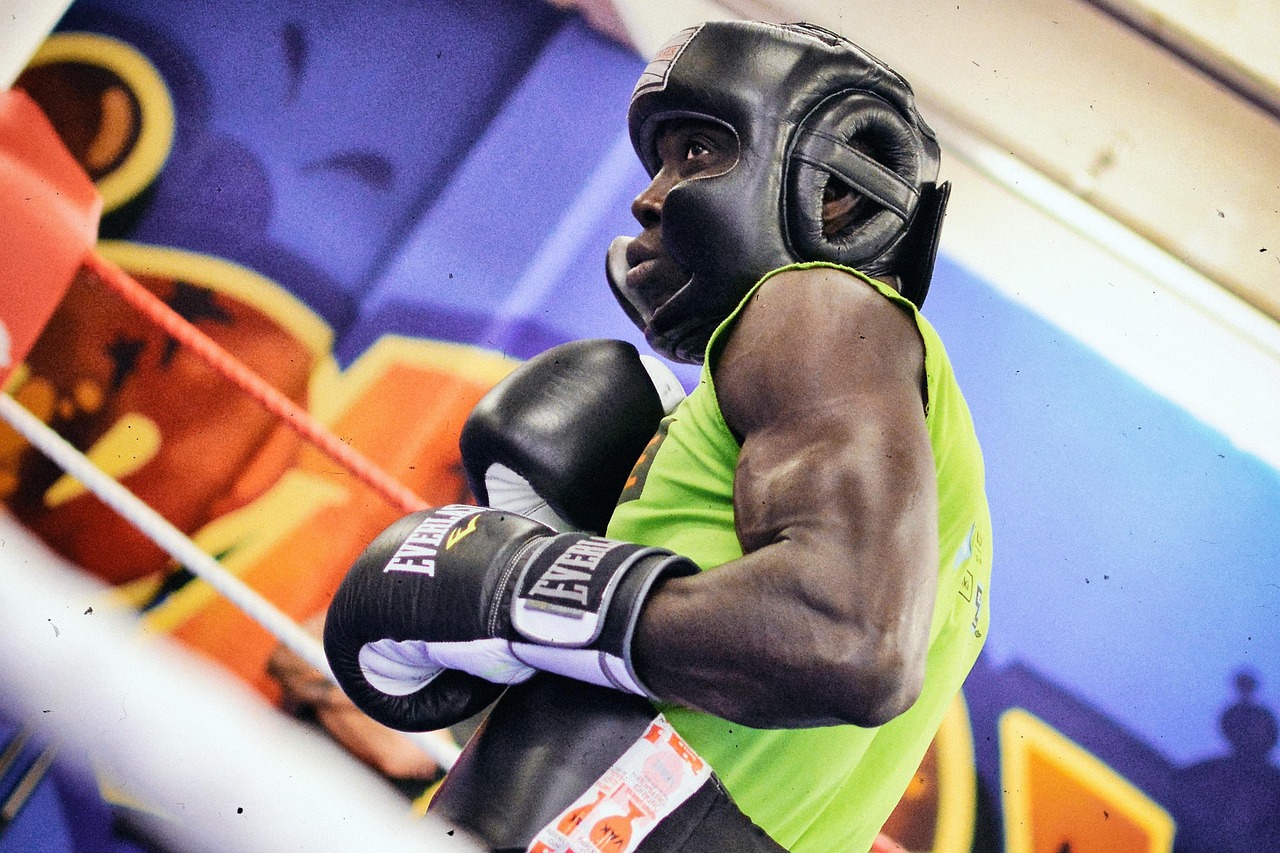
Ohio boxing has the feel of a tough, multi-city fight state. Its identity is not concentrated in one market. Cleveland, Youngstown, Cincinnati, Akron, Columbus, Toledo, and other communities all contribute pieces of the story. That makes Ohio different from states whose boxing reputation rests mainly on hosting major events. Ohio is a producer. It has created champions, contenders, amateurs, trainers, promoters, and local fight scenes shaped by industrial cities, neighborhood gyms, Golden Gloves tournaments, and working-class sports culture. If New York is a stage and North Dakota is a small-state legacy story, Ohio is a factory floor for fighters.
Cleveland gives Ohio one of its deepest boxing histories. The city’s first championship match was held in 1898, and even when professional boxing faced local bans, clubs and gyms continued to keep the sport alive. The Golden Gloves program arrived in Cleveland in 1929, and by its peak the tournament drew more than 800 young boxers. Cleveland’s amateur scene helped produce major fighters including Jimmy Bivins and Joey Maxim, with Maxim later winning the world light heavyweight title. The city also became a serious professional boxing market during the 1950s and 1960s, before television and changing economics altered the local live fight business.
Youngstown gives Ohio its most emotionally direct boxing identity. Ray “Boom Boom” Mancini became more than a lightweight champion; he became a sporting symbol for a Mahoning Valley facing economic decline. From 1982 to 1984, Mancini held the WBA lightweight title, and his attacking style, family story, and Youngstown roots made him one of the defining American boxing names of the 1980s. His 1982 title defense in Warren, Ohio, drew more than 20,000 fans, showing how deeply a local champion could matter to the region.
The Youngstown tradition continued with Kelly Pavlik. Pavlik’s 2007 knockout of Jermain Taylor to win the WBC and WBO middleweight titles put Youngstown back into the national boxing conversation. He fought with the kind of long, punishing, direct style that matched the city’s boxing self-image: hard jab, heavy right hand, calm pressure, and durability. The City of Youngstown’s Walk of Fame page describes Pavlik as a South Side fighter who brought national attention back to the city and later continued his legacy by training fighters at a Youngstown-based facility.
Cincinnati adds a different layer. Ezzard Charles, known as the “Cincinnati Cobra,” is one of the greatest fighters associated with Ohio, a heavyweight champion and one of boxing’s most admired technicians. Aaron Pryor, also from Cincinnati, became one of the greatest junior welterweights in history, remembered especially for his relentless pace and his wars with Alexis Arguello. The Cincinnati branch of Ohio boxing is less about the steel-town hero narrative and more about elite skill, pressure, and world-class professional achievement.
Ohio’s boxing infrastructure has always leaned heavily on gyms and amateur development. Cleveland’s Golden Gloves history shows how large the amateur base once was, while Youngstown’s champions show how a serious local gym can carry a fighter from neighborhood recognition to world titles. The state’s geography helps boxing survive because there is not one single gatekeeper city. A prospect can come from Cincinnati, Akron, Toledo, Columbus, Cleveland, Dayton, or Youngstown and still be part of the Ohio fight tradition. That spread gives the state a regional circuit feel, with fighters often moving across city lines for sparring, tournaments, and professional opportunities.
The modern Ohio scene is not as nationally central as it was in earlier periods, but the state’s boxing identity remains unusually strong. It has history in Cleveland, mythology in Youngstown, technical greatness in Cincinnati, and enough urban centers to keep gyms and amateur programs relevant. Ohio boxing works best when understood as a network of fight towns rather than a single market. Its future depends on the same things that built its past: committed coaches, serious gyms, local shows, Golden Gloves-style development, and fighters who carry their city with them every time they walk to the ring.