MMA in the Bahamas has a deeper name-recognition layer than many small Caribbean markets because of two very different kinds of fighters: Bahamian-born or Bahamian-connected athletes who competed internationally, and local amateurs trying to build a competitive base at home. The country is not a major MMA hub, but it has enough combat-sports history, boxing credibility, and regional athleticism to give the sport a recognizable footprint.
The unavoidable name in any discussion of Bahamian MMA is Kimbo Slice. Born Kevin Ferguson in Nassau before becoming famous in the United States, Kimbo became one of the most recognizable crossover figures in early internet-era combat sports. His career did not represent a traditional Bahamian MMA development pathway. He became known through street-fight videos, then entered professional MMA through EliteXC, The Ultimate Fighter, the UFC, Bellator, and other combat platforms. Still, his Bahamian birth gives the country a unique place in MMA history. Kimbo was not a technical model for local development, but he showed how personality, raw physical presence, and media attention could push a fighter from obscurity into global combat-sports visibility.
Yves Edwards gives the Bahamas a very different connection to MMA. Edwards, widely respected for his long career and technical creativity, is often associated with the Bahamas by nationality listings and remains one of the more accomplished fighters tied to the country. His career stretched across multiple promotions and eras, and his striking-heavy, submission-aware style made him a respected lightweight before the modern UFC talent pool became as standardized as it is today. Where Kimbo represented spectacle and crossover attention, Edwards represented craft, longevity, and technical MMA credibility.
Below those headline names, the Bahamian scene is more modest. Listings of Bahamian MMA fighters include a mix of amateurs, boxers, crossover athletes, and fighters with limited professional records. Names such as Rico “The Triggerman” Farrington and Kenny Neymour point toward the country’s broader combat-sports base, but the domestic MMA structure remains thin compared with larger markets. Neymour’s story is especially useful because he trained out of Las Vegas while seeking professional opportunities, which illustrates the central issue for Bahamian fighters: to move beyond local promise, they often have to enter foreign training and matchmaking systems.
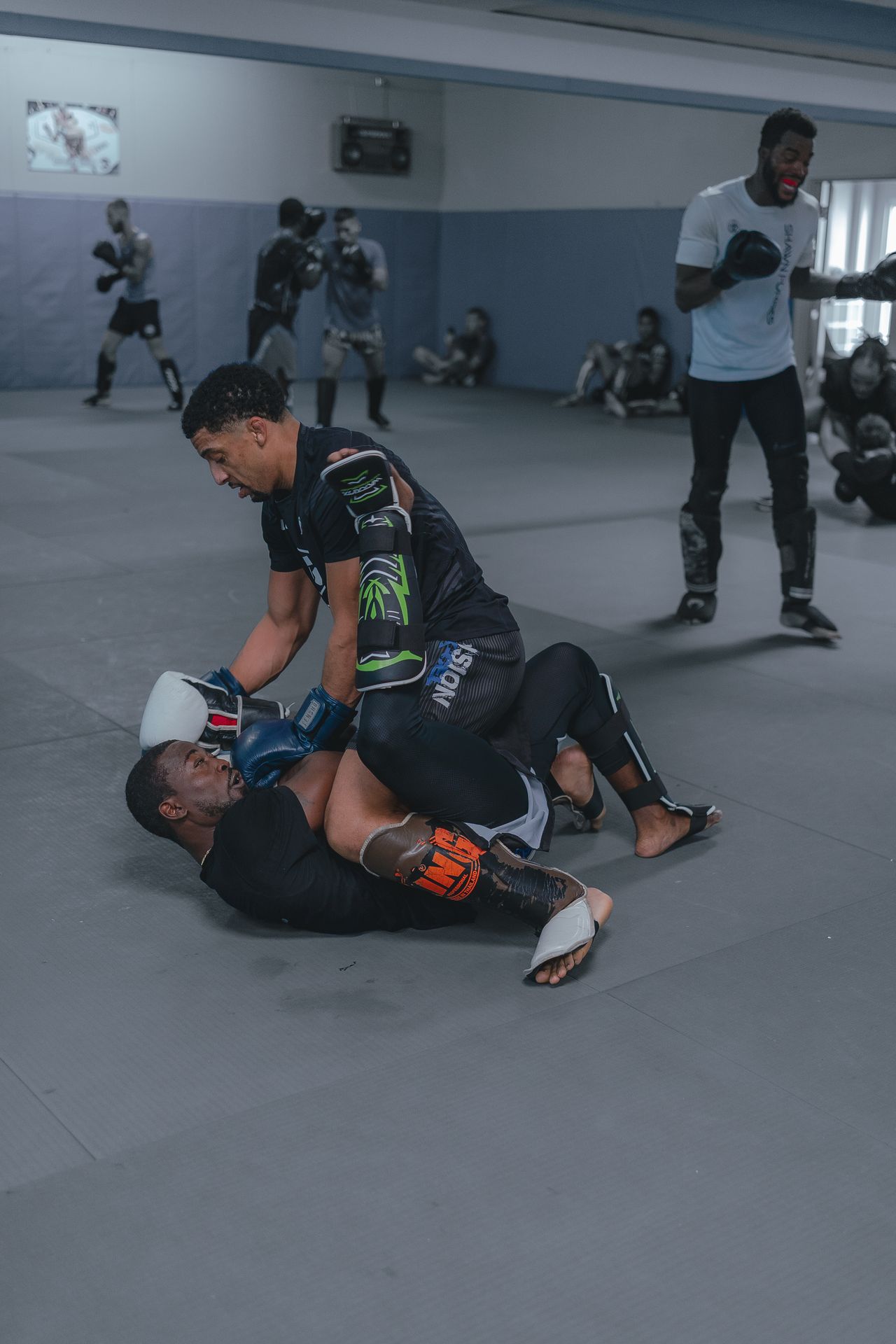
The Bahamas has the raw ingredients for MMA growth. Boxing has long had a stronger cultural position than cage fighting. Athletic talent is not in question. The country produces competitors across sports, and combat athletes from the Bahamas often carry natural explosiveness, toughness, and confidence. What MMA needs, however, is not just athleticism. It needs repetition. Fighters need rounds against wrestlers, rounds against submission grapplers, and rounds against strikers who can defend takedowns. They need amateur cards, judging experience, corner education, weight-cutting knowledge, and safe but serious sparring rooms.
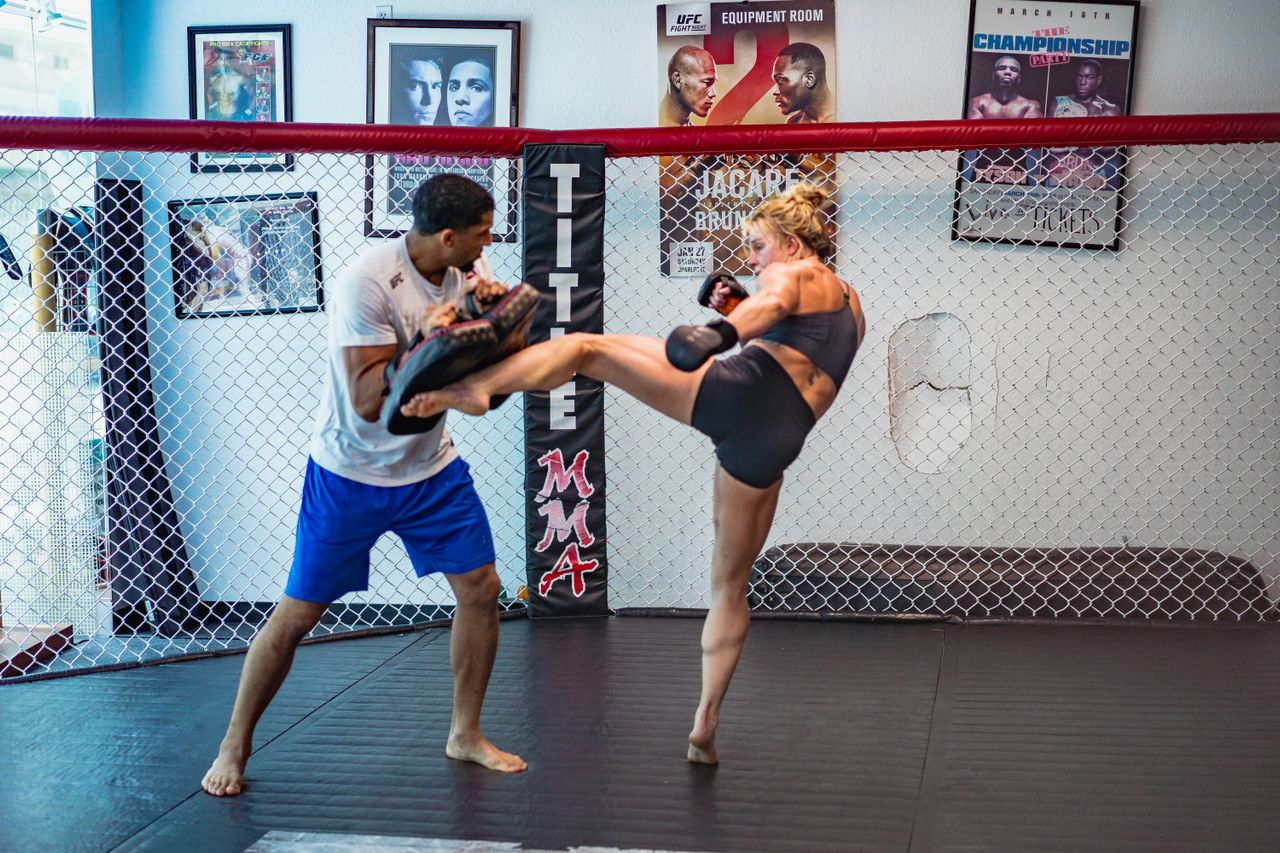
The local training culture is likely to keep growing through hybrid gyms rather than through a sudden national promotion boom. MMA conditioning, boxing, kickboxing, Brazilian jiu-jitsu, and self-defense classes can bring people into the sport before a full competitive system exists. If enough Bahamian athletes travel to Florida, Georgia, Texas, Nevada, or Canada for fight camps and then bring skills back home, the local scene can become more durable.
The Bahamas’ MMA identity is therefore split between fame and infrastructure. It has recognizable names, especially through Kimbo Slice and Yves Edwards, but it does not yet have a large domestic production line. The next stage is not about finding another viral star. It is about building more complete fighters: athletes who can strike, wrestle, grapple, compete regionally, and represent the Bahamas through sustained professional development rather than isolated breakthrough stories.