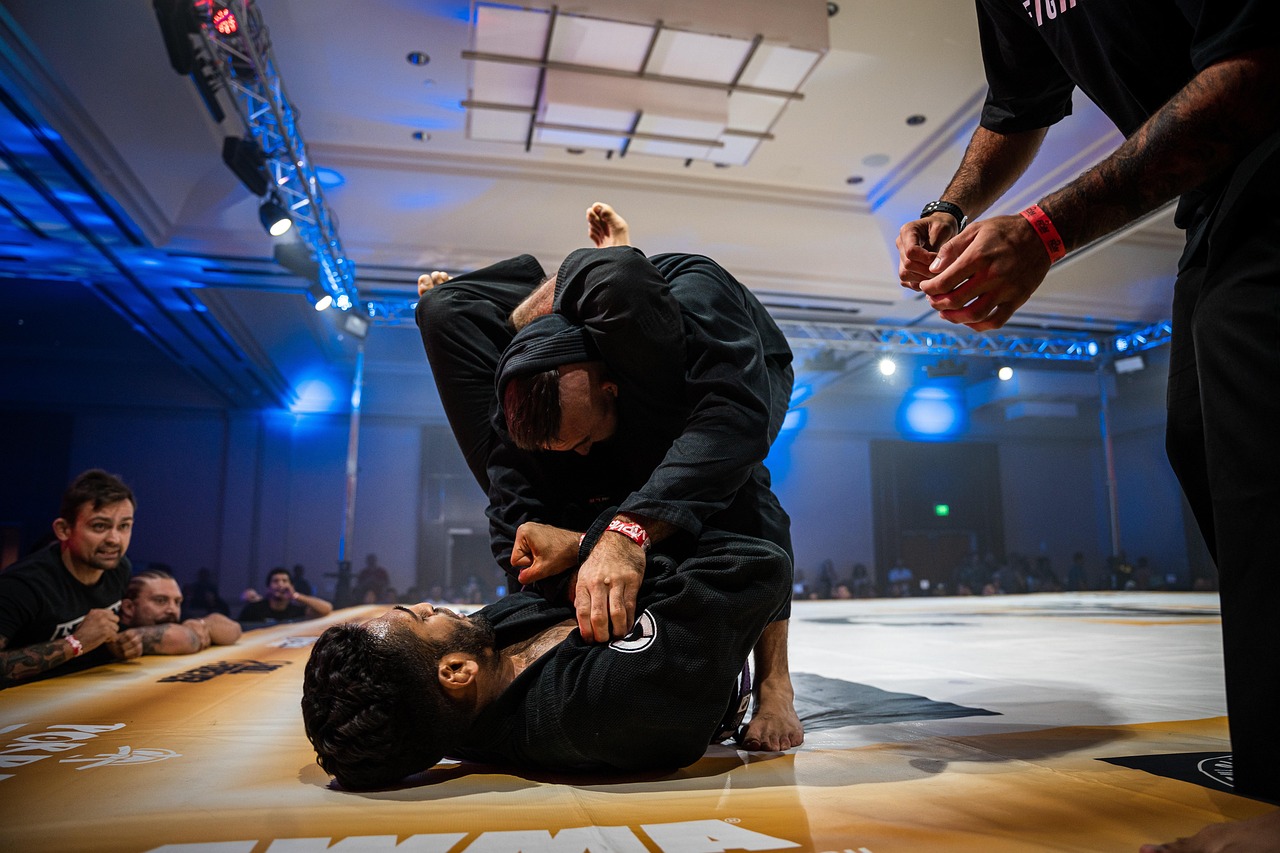
Santa Monica’s MMA identity is not a classic fight-town identity. It is not known for a major arena circuit, a long list of locally branded champions, or a single gym that defines an entire generation of the sport. Its role is more specific: Santa Monica sits inside the Westside Los Angeles combat-sports ecosystem, where MMA blends with striking gyms, jiu-jitsu academies, private coaching, fitness culture, entertainment-industry schedules, and access to the larger Southern California fight scene.
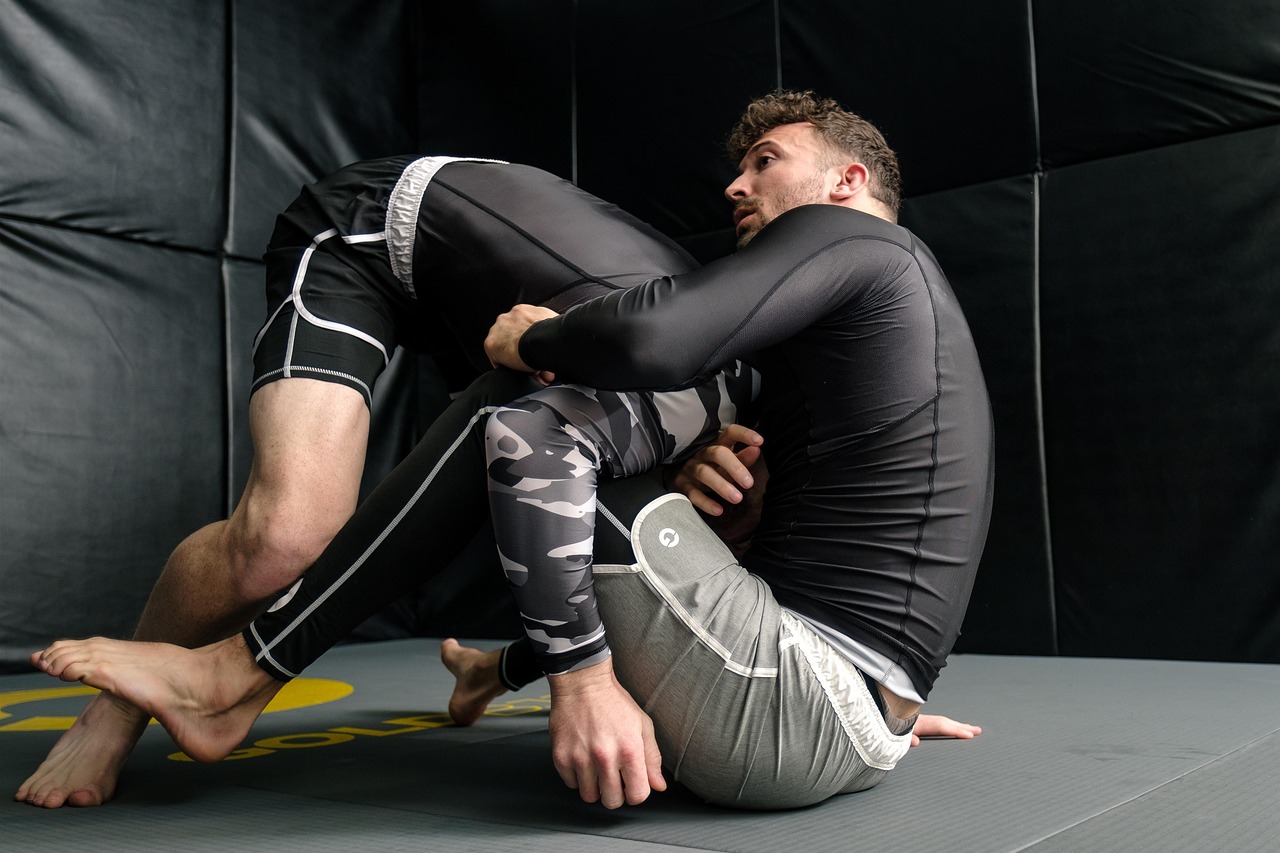
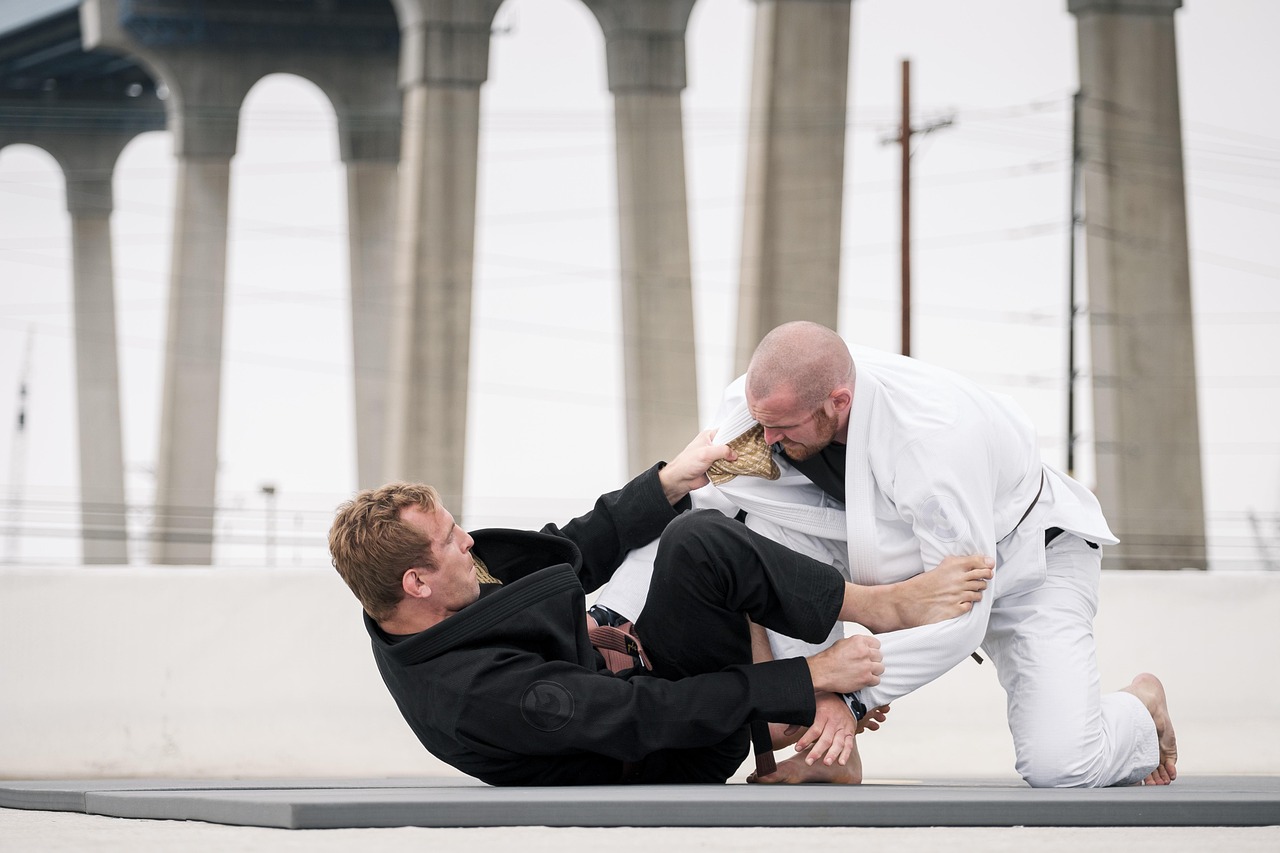
That gives Santa Monica a different kind of MMA profile from San Jose or São Paulo. The city is not built around a gritty regional circuit. It is built around access. Fighters, actors, stunt performers, executives, weekend athletes, and serious amateurs can all occupy the same general training geography. The result is a martial arts environment where MMA is present, but often through components: Muay Thai, boxing, jiu-jitsu, wrestling, judo, conditioning, and self-defense training rather than a single dominant pro team identity.
The most important nearby MMA name is Dynamix MMA, located on Santa Monica Boulevard in West Los Angeles. Dynamix was founded in 2010 by former UFC heavyweight Antoni Hardonk and Rickson Gracie jiu-jitsu black belt Henry Akins, giving the gym a foundation in both high-level striking and technical Brazilian jiu-jitsu. That combination fits the Westside profile well. The area’s MMA culture is not only about producing cage fighters; it is also about teaching the separate disciplines well enough that serious students can move toward MMA if they want to compete.
Santa Monica Striking adds another piece to the local identity. Based on Pico Boulevard, it emphasizes Muay Thai and kickboxing for kids and adults, and its public-facing profile reflects the city’s strong striking-and-fitness lane. That is important because many Santa Monica-area athletes do not enter MMA through a full cage-fighting program on day one. They often start through striking, jiu-jitsu, or conditioning, then add the missing pieces later.
The larger Los Angeles context matters heavily. A fighter in Santa Monica is not confined to Santa Monica. Within a reasonable drive, the athlete can reach major jiu-jitsu schools, boxing gyms, wrestling coaches, film-industry stunt training, and professional MMA rooms across West LA, Hollywood, the Valley, Long Beach, Orange County, and the Inland Empire. That geographic advantage makes Santa Monica more of a gateway market than a self-contained fight scene.
The city’s fan culture reflects the same pattern. MMA exists alongside surfing, yoga, boutique fitness, boxing workouts, wellness brands, and entertainment-industry athletics. That can make the scene feel less raw than traditional fight towns, but it also gives martial arts a large pool of recreational participants. Some are casual. Some are serious. Some have the money and schedule flexibility to train privately with high-level coaches. Others use Santa Monica as a convenient base while preparing elsewhere in Southern California.
Santa Monica’s future in MMA is unlikely to come from becoming a standalone fight capital. Its value is more durable as part of the Westside Los Angeles training map. It offers technical coaching, striking access, jiu-jitsu depth, and proximity to one of the largest combat-sports regions in the world. For MMA, that makes Santa Monica a polished but legitimate satellite scene: not the center of the sport, but close enough to the center that serious athletes can use it.