Costa Rica is not one of the giant names in global MMA, and its identity should not be forced into the same category as Brazil, Mexico, the United States, Russia, or Japan. The country’s mixed martial arts scene is smaller, more regional, and more dependent on Central American competition. Its importance comes from a different place: Costa Rica has become one of the more organized MMA environments in Central America, with San José serving as the natural center for gyms, events, federation activity, and cross-border fight cards.
The Costa Rican MMA story is built around patience rather than sudden global arrival. The country has produced professional fighters, coaches, gyms, and local promotions, but the scene still sits below the visibility level of Latin America’s largest fight markets. That makes its development interesting. Costa Rica is not merely a country where MMA exists as a fitness trend. It has a genuine competitive base, a regional event culture, and a group of fighters who have used local and international circuits to create a national footprint.
The country’s MMA identity is also shaped by geography. Costa Rican fighters are not isolated from the rest of Latin America. They move through a regional ecosystem that includes Nicaragua, Panama, Guatemala, Honduras, Belize, Mexico, and, when opportunities appear, larger international promotions. That makes Costa Rica less of a stand-alone MMA power and more of a Central American connector. Fighters need local gyms, local amateur competition, and national events, but they also need access to opponents from neighboring countries. In that sense, Costa Rican MMA is developing in the same way many smaller fight scenes develop: through regional rivalries, imported experience, and a few athletes who become reference points for everyone behind them.
From Traditional Combat Sports to the MMA Cage
MMA in Costa Rica did not grow out of one dominant national martial art. Unlike countries with a deep wrestling pipeline, a national judo structure, a kickboxing identity, or a century of boxing champions, Costa Rica’s MMA scene is more blended. Its athletes tend to come through a mix of Brazilian jiu-jitsu, boxing, kickboxing, Muay Thai, karate, judo, and general combat-sports training rather than through one overwhelming base.
That gives Costa Rican MMA a broad but uneven foundation. In practical terms, many fighters develop by stitching together the pieces that modern MMA requires. A young athlete might begin with striking, add Brazilian jiu-jitsu, train wrestling later, and then enter amateur MMA once a coach believes the athlete can survive the transitions. That is different from a wrestler-heavy market, where athletes often arrive in MMA with years of takedown and positional control already built into their bodies. In Costa Rica, MMA development is often more academy-based and coach-directed.
Brazilian jiu-jitsu has been especially important because it gives smaller fight markets a technical entry point into MMA. A country does not need a massive collegiate wrestling infrastructure to produce competent grapplers if BJJ academies are available and active. Jiu-jitsu also fits well with the recreational side of martial arts in Costa Rica, where many adults train for fitness, discipline, self-defense, or competition without necessarily planning to become professional fighters. From that larger base, a smaller number of athletes move toward amateur and professional MMA.
Striking arts matter as well. Boxing and kickboxing give Costa Rican fighters the stand-up foundation they need to compete regionally, while Muay Thai-style training has become common in MMA academies because it teaches clinch striking, knees, elbows, and defensive balance. The best Costa Rican fighters are not usually specialists who can rely on one skill forever. They need enough balance to compete against opponents from countries with different strengths, especially when facing Mexican, Central American, or South American opposition.
The result is a scene that rewards adaptability. Costa Rican fighters often have to become complete earlier than athletes in deeper markets, because the local talent pool is smaller and matchups can be stylistically unpredictable. A fighter may face a grappler from one country, a brawler from another, and a more polished kickboxer on the next card. That regional diversity has helped Costa Rican MMA avoid becoming one-dimensional.
Alejandro Solano and the First Reference Point
Every developing MMA country needs a few names who give the scene structure. In Costa Rica, Alejandro “Mandarina” Solano Rodriguez is one of those reference points. He is associated with Heredia and Mandarina MMA, and his professional record reflects a long career that stretched across Costa Rican and international competition. His record shows the kind of career path that matters in a smaller MMA country: dozens of fights, regional main events, international opponents, and enough longevity to become both a fighter and a figure in the development of the sport.
Solano’s career is important because Costa Rican MMA needed athletes who could take the sport beyond local curiosity. A fighter with a long professional record gives younger athletes proof that there is a pathway, even if the pathway is not simple. It also creates coaching and promotional knowledge. Fighters who spend years in the cage understand matchmaking, preparation, travel, weight cuts, rule sets, judging, and the difference between local success and international difficulty. That experience becomes part of the national MMA infrastructure once those fighters begin coaching, organizing, or mentoring.
Solano’s name also reflects the connection between Costa Rican MMA and regional Latin American competition. Costa Rican fighters have often had to fight across borders to build records and test themselves. That reality creates a different kind of career from a fighter who can remain inside a large domestic system. In a smaller country, the jump from national competition to international opposition can happen quickly. There may not be ten local opponents at the same level in the same weight class. A Costa Rican prospect who keeps winning has to look outward.
That outward-facing structure has both advantages and disadvantages. The disadvantage is obvious: fewer local fights mean fewer controlled development steps. A fighter may be thrown into difficult matchups early, sometimes before the athlete has the seasoning that a deeper market would provide. The advantage is that Costa Rican fighters can become comfortable with regional travel and cross-border opposition. They are forced to learn how to compete against unfamiliar styles, hostile crowds, and promotions outside their home gym’s comfort zone.
Solano’s role, then, is not just about wins and losses. It is about continuity. He represents the early professional era of Costa Rican MMA, the transition from local competition into wider regional relevance, and the move from fighter identity into broader scene-building.
The Current Costa Rican Fighter Picture
Costa Rica’s modern fighter pool is not large, but it has recognizable names within the regional MMA conversation. Edgar “Cebollero” Delgado has become one of the country’s more visible active figures, especially at featherweight. Jorge “Georgie” Calvo, Walter “Burro” Zamora, André Barquero, Verónica “The Raven” Vargas, and other Costa Rican fighters help show that the country’s scene is not limited to a single athlete or one generation.
The important point is scale. Costa Rica does not yet have the depth to send a steady stream of fighters into the UFC, PFL, Bellator-style structures, ONE Championship, or other major global platforms. Its fighters are more commonly measured through Latin American promotions, regional rankings, national cards, and occasional international opportunities. That does not make the scene insignificant. It simply means the competitive ladder is different.
For Costa Rican fighters, success often begins with local recognition, then moves into Central American competition, then into Mexico or other Latin American circuits. Promotions such as LUX Fight League have become important for Spanish-speaking Latin American fighters because they provide a larger regional stage than most domestic shows can offer. When a Costa Rican fighter wins or competes well in that environment, it carries more weight than a purely local victory.
Edgar Delgado’s visibility captures that dynamic well. He has been positioned as one of Costa Rica’s leading featherweights and has been tied to regional title-level competition. That matters because Central American MMA needs recognizable fighters who can headline events, sell local narratives, and attract opponents from nearby countries. A national scene cannot grow only through prospects. It also needs headliners.
The presence of women’s fighters is also important, even if the women’s side remains smaller. Costa Rica’s MMA future will depend partly on whether gyms can support female athletes with regular training partners, fair matchmaking, and regional opportunities. In many smaller MMA countries, women’s MMA develops more slowly because the athlete pool is thin and cross-border competition is necessary. Still, the existence of Costa Rican women competing professionally gives the scene a broader foundation than a men-only regional circuit.
The current Costa Rican fighter picture is best understood as active but still developing. The country has enough athletes to produce real cards and recognizable names, but not enough depth to be treated as a major international pipeline. Its next step is not simply producing one breakout star. It is building enough middle-class professional depth that Costa Rican fighters can sharpen one another before they leave the country for larger tests.
San José as the Center of the Scene
Costa Rican MMA is heavily tied to the Greater San José area. That is not unusual. In smaller countries, the capital or largest metro area often becomes the combat-sports center because it concentrates gyms, coaches, venues, media, sponsors, medical support, and transportation. For MMA, that concentration matters even more because the sport requires multiple training disciplines under one competitive plan.
San José gives Costa Rican MMA its most realistic base. Fighters need access to striking coaches, grappling coaches, strength training, sparring partners, and event opportunities. A scattered national scene can support martial arts participation, but serious MMA development usually requires density. If the best grapplers are in one town, the best strikers are somewhere else, and the best fight nights are in the capital, athletes have to travel constantly. San José reduces that friction.
The city also functions as the country’s event hub. Venues in and around the capital can host regional cards that bring in fighters from other Central American countries. That is essential for competitive growth. A Costa Rican fighter can only improve so much by facing the same local opponents. Regional cards create fresh matchups, higher stakes, and a better sense of where Costa Rican athletes stand relative to their neighbors.
There is also a symbolic element. When San José hosts professional MMA, it gives the sport public legitimacy. MMA is still relatively young in many parts of Central America, and public perception matters. A professionally staged event in the capital, with structured matchmaking and fighters from several countries, presents the sport as organized competition rather than spectacle. That distinction matters for sponsors, parents of young athletes, local media, and government institutions.
San José’s role should not erase the rest of the country. Fighters and martial artists can come from Heredia, Alajuela, Cartago, coastal towns, and other communities. But the capital region remains the place where the national scene connects. For now, Costa Rican MMA’s growth is hard to separate from San José’s ability to keep hosting events, supporting academies, and creating a central meeting point for the country’s fighters.
Gyms, Coaching, and the Training Culture
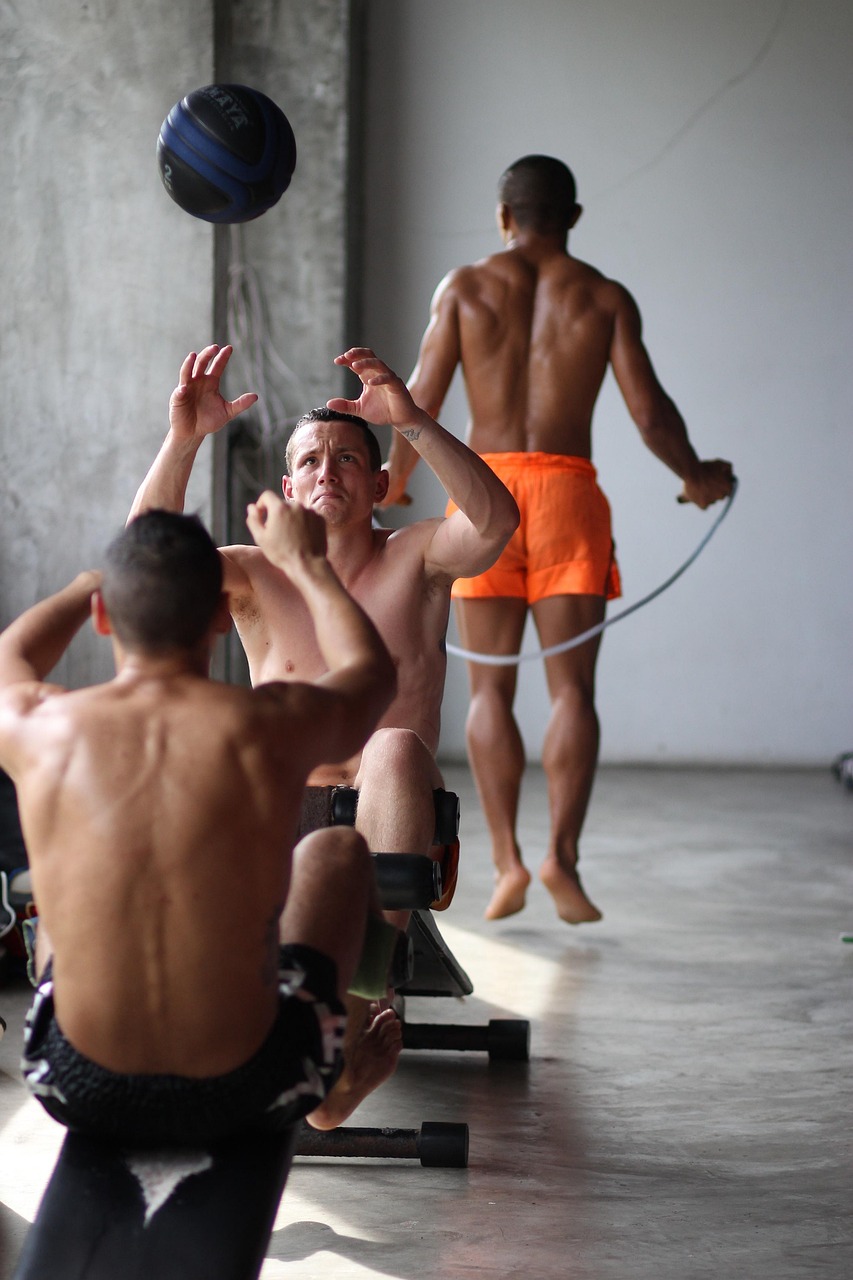
The Costa Rican MMA gym culture reflects the needs of a smaller but serious scene. The country does not have dozens of internationally famous super gyms, but it does have academies where MMA, Brazilian jiu-jitsu, kickboxing, Muay Thai, boxing, wrestling, combat sambo, and fitness training overlap. That overlap is important because MMA athletes need integrated preparation rather than isolated martial arts training.
In a country like Costa Rica, the coach often plays an outsized role. In a deep MMA market, a fighter might have access to many specialists and a large professional room. In a smaller market, one gym may have to provide technical instruction, matchmaking guidance, conditioning advice, corner work, and career direction. That makes the quality of coaching central to the growth of the sport.
The training culture is also shaped by the difference between recreational martial arts and professional MMA. Many people who enter an MMA academy are not trying to fight professionally. They want fitness, self-defense, competition in grappling, or a combat-sports community. That recreational base is valuable because it keeps gyms financially stable and creates a larger pool of people who understand the sport. But the professional track is narrower. A coach has to identify which athletes can handle sparring, weight management, amateur competition, and the emotional pressure of fighting.
Wrestling remains one of the harder pieces to build. In many countries without a deep scholastic or collegiate wrestling system, MMA gyms have to develop wrestling inside the academy. That is difficult because wrestling is not just a set of techniques. It is a pace, a balance system, and a culture of repeated live resistance. Costa Rican fighters who can build strong takedown defense, cage wrestling, and top control gain an important advantage in regional competition.
Grappling, especially Brazilian jiu-jitsu, is more accessible as a development base. BJJ academies can produce athletes who understand submissions, guard work, escapes, and positional control. The challenge is translating that into MMA, where punches change the ground game and cage positioning changes the takedown battle. The best Costa Rican gyms are the ones that can teach the conversion: not just jiu-jitsu, not just kickboxing, but MMA as its own sport.
The most promising sign for Costa Rican MMA is that training appears to be moving toward a more complete model. Academies that offer multiple combat disciplines under one roof create a better environment for fighters who want to compete. Over time, that kind of integrated training can produce more polished amateurs and reduce the gap between local competition and international opposition.
Events, TNX, and the Central American Circuit
Events are where Costa Rican MMA becomes visible. Without consistent cards, even a talented gym scene can stall. Fighters need dates, opponents, titles, rankings, media, and a reason to stay active. Costa Rica’s event identity has become increasingly tied to regional shows that bring Central American fighters into San José and give local athletes a professional platform.
TNX MMA has become one of the key promotional names associated with this development. Its San José cards have helped position Costa Rica as a place where Central American MMA can gather, not just a place where Costa Rican fighters compete against one another. That distinction matters. A domestic-only fight scene can become repetitive quickly. A regional scene creates movement.
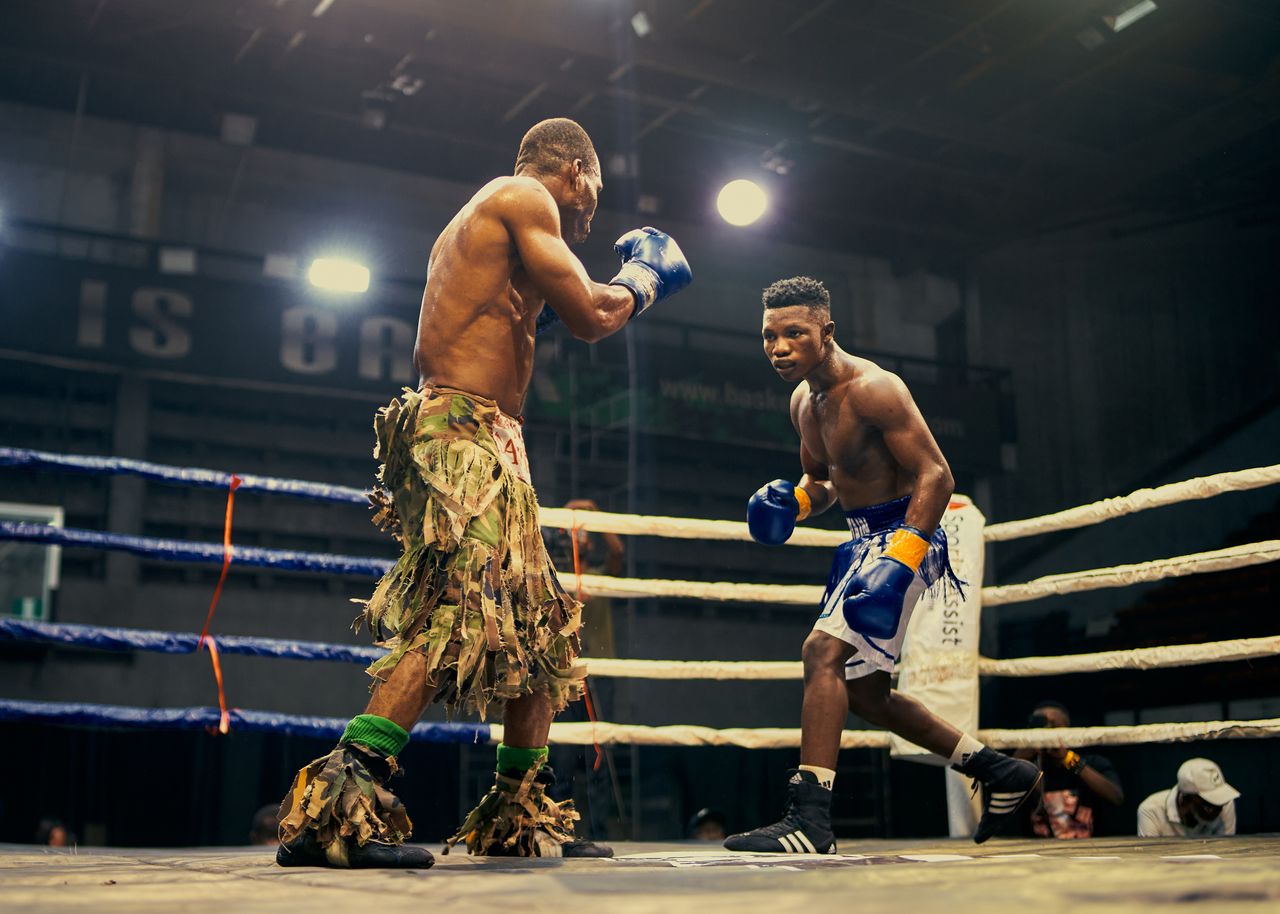
The May 2026 TNX 526 event in San José is a good example of the kind of platform Costa Rica needs. The card was built around Central American representation, title fights, and a professional setting in La Uruca. It featured fighters from multiple countries and placed Costa Rican names into bouts with regional significance. That is the model that can help the country grow: not one-off events, but recurring cards that give athletes a competitive calendar.
For fighters, regional events provide a ladder. A Costa Rican amateur can aim for local competition, then a professional debut, then a place on a larger San José card, then a fight against an opponent from Nicaragua, Guatemala, Panama, Belize, Honduras, or Mexico. Each step raises the level without requiring an immediate jump to the biggest global promotions.
For fans, these cards help build familiarity. MMA fandom grows when people know the fighters, understand the stakes, and see rivalries develop. In smaller markets, the sport cannot rely only on UFC broadcasts. It needs local faces. A fan in Costa Rica may watch the UFC, but the national scene becomes more meaningful when there are Costa Rican fighters headlining cards, defending titles, and representing the country against regional opponents.
For the sport itself, the event structure also helps professionalize expectations. Fighters learn media obligations, weigh-ins, medical requirements, pacing, and the rhythm of fight week. Coaches learn how to prepare athletes for different opponents and how to manage corners under pressure. Promotions learn what kind of matchmaking attracts fans while still developing fighters responsibly.
Costa Rica’s MMA future will depend heavily on whether these events become consistent. One strong card can create attention. A reliable calendar creates a scene.
Government Recognition and Institutional Development
One of the more important developments for Costa Rican MMA has been the movement toward formal organization. Government-linked recognition and federation activity give the sport a different standing than it had when MMA was simply a collection of gyms and independent events. In smaller countries, that administrative layer can be crucial.
Institutional support does not automatically produce elite fighters. A federation cannot replace coaching quality, sparring partners, or athlete discipline. But it can help create a framework for regulation, national representation, amateur development, event standards, and long-term legitimacy. For a young sport, that matters.
Costa Rica’s broader sports structure is tied to ICODER, the national institution responsible for promoting and supporting sport and recreation. When MMA begins to fit into that recognized sports environment, it gains a clearer path toward national organization. That can help with everything from event sanctioning to athlete development.
The challenge is making sure administration supports the fighters rather than becoming separate from them. MMA grows from the mat outward. The federation, promoters, and institutions matter most when they help gyms compete safely, help athletes find opportunities, and create standards that protect the sport’s credibility. If the administrative system is aligned with coaches and fighters, Costa Rican MMA can become more stable.
For young athletes, the institutional side can also change how families view the sport. MMA has often fought against the perception that it is too violent or unstructured. A recognized federation, safer events, better rules, and legitimate competition can make the sport easier to accept. That is especially important for youth development and amateur participation.
Costa Rica does not need to copy larger countries exactly. Its best institutional model will be scaled to its reality: a small national scene, a strong San José center, regional competition, and athletes who need pathways beyond the country. If the federation and promoters can work within that reality, they can help the sport mature without pretending Costa Rica is already a major MMA power.
What Makes Costa Rican MMA Distinct
Costa Rican MMA is distinct because it sits between grassroots development and regional ambition. It is not a massive exporter of elite fighters, but it is also not a blank spot on the MMA map. The country has history, professional athletes, active gyms, event infrastructure, and a capital city that can host meaningful Central American cards.
Its strongest identity is regional. Costa Rica is part of a Central American MMA ecosystem where fighters need one another. No single small country in the region can easily build a deep fight economy alone. Together, the region can create title fights, rivalries, rankings, rematches, and cross-border opportunities. Costa Rica’s advantage is that it has the organization and location to become one of the more reliable hosts within that ecosystem.
The sport also reflects Costa Rica’s general athletic personality. The country is not built around combat sports in the way some nations are. Soccer dominates the national sports imagination, and combat sports have to earn space around larger mainstream interests. That means MMA must grow through committed communities rather than automatic national attention. The people involved tend to be coaches, athletes, gym owners, promoters, and fans who are building the sport because they believe in it, not because the country’s sports culture already revolves around fighting.
That creates a more intimate MMA scene. In Costa Rica, the distance between athlete, coach, promoter, and fan can be small. That can be a strength. A close scene can rally around fighters quickly, create strong local support, and keep athletes connected to their communities. It can also be a limitation if the talent pool remains too narrow or if fighters do not get enough varied competition.
The next stage is depth. Costa Rica already has enough history to say MMA belongs there. The question is whether the country can produce more consistent waves of amateurs, more professional events, stronger wrestling and grappling development, and more fighters capable of winning outside the region.
The Road Ahead for MMA in Costa Rica
The future of MMA in Costa Rica depends on four connected pieces: consistent events, stronger gyms, regional matchmaking, and international opportunity.
The event piece is the most visible. Promotions need to keep staging professional cards with good production, fair matchmaking, and enough frequency to keep fighters active. If Costa Rican athletes only fight sporadically, development slows. If they can compete regularly against local and regional opposition, they can build real careers.
The gym piece is the most important technically. Costa Rican MMA will improve as academies become better at blending striking, wrestling, grappling, conditioning, and cage-specific tactics. The country does not need dozens of famous gyms. It needs a handful of serious rooms that can produce complete fighters and prepare them for the jump from local competition to international pressure.
The regional piece may be Costa Rica’s greatest opportunity. Central America is still underdeveloped compared with the largest MMA regions, but that also means there is room to build. Costa Rica can become a regular stop for fighters from Panama, Nicaragua, Guatemala, Honduras, Belize, El Salvador, Mexico, and the Caribbean. The more San José becomes a trusted host city, the more Costa Rican fighters benefit.
The international piece is the hardest. To become a higher-profile MMA country, Costa Rica needs fighters who can win consistently outside the national scene. That means success in Latin American promotions, strong performances against Mexican and South American opposition, and eventually the kind of breakout athlete who can reach a global platform. A UFC fighter from Costa Rica would change public awareness quickly, but the healthier goal is broader: build enough structure that one breakout athlete is not carrying the whole sport alone.
Costa Rican MMA is still being written. Its past has enough pioneers to give the sport roots. Its present has enough active fighters and events to give the scene credibility. Its future depends on whether the country can turn regional energy into sustainable development. If that happens, Costa Rica may not become one of MMA’s largest countries, but it can become one of Central America’s most important fight centers.