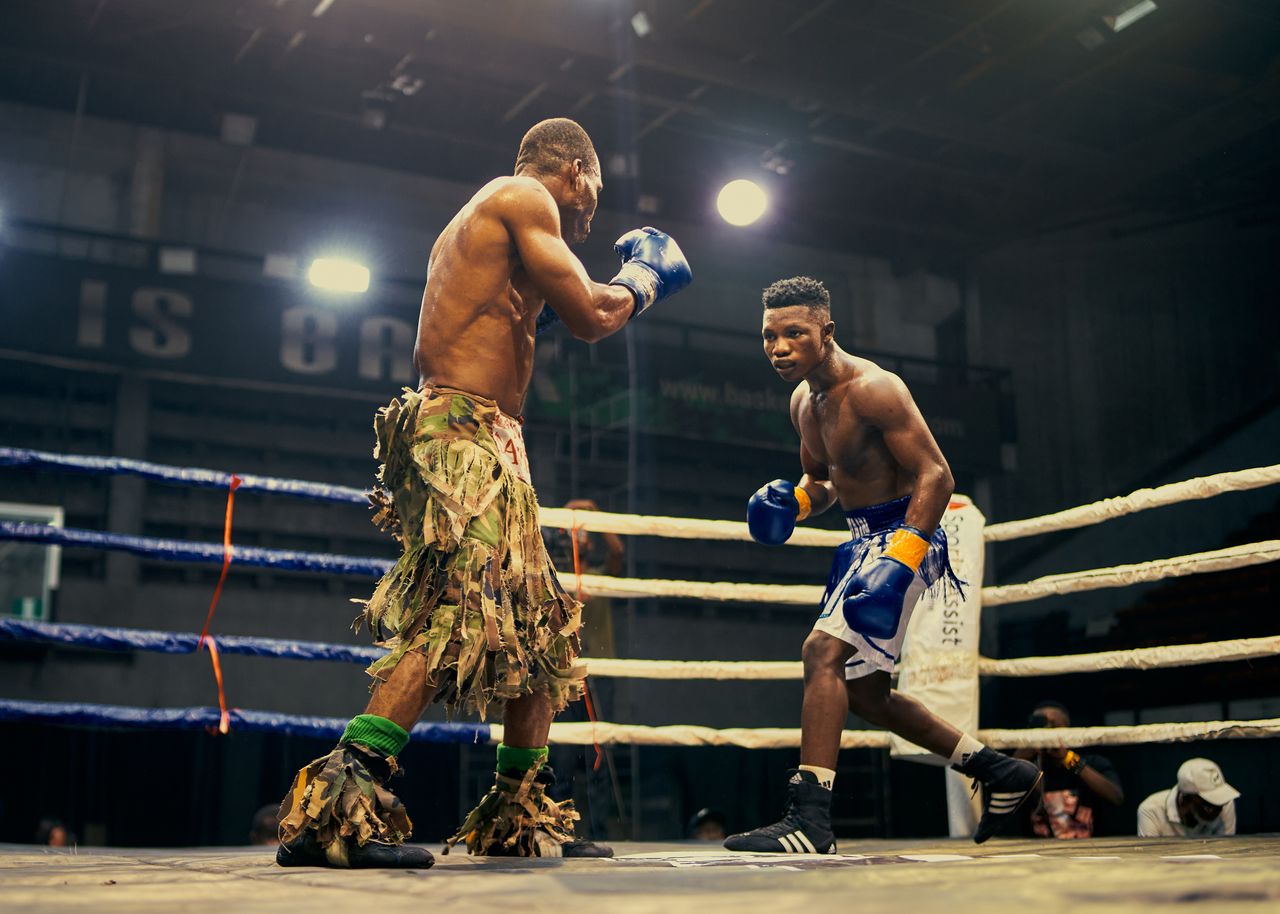
San Diego is one of the most credible MMA training cities in the United States. Its identity is not built around one arena, one fighter, or one promotion. It is built around the training environment. The city and its surrounding communities have long attracted fighters because of the weather, the military presence, the Southern California combat-sports culture, the proximity to Mexico, and the depth of gyms that offer Brazilian jiu-jitsu, wrestling, boxing, Muay Thai, strength work, and professional-level sparring.
Alliance MMA is the centerpiece of San Diego’s modern MMA reputation. Based in the San Diego area, Alliance became one of the better-known professional MMA camps in the country and has been associated with fighters across the UFC, WEC, Strikeforce, and Bellator ecosystems. Its importance is not just that well-known fighters trained there. It is that Alliance helped define San Diego as a place where serious professionals could build full fight camps rather than merely take classes. A city becomes a fight hub when athletes can find coaching, sparring, conditioning, management connections, and a culture of daily professional work. San Diego has had that.
The local scene also benefits from the broader Southern California martial arts economy. San Diego has a strong Brazilian jiu-jitsu presence, a deep recreational martial arts market, and a population that supports combat-sports gyms at multiple levels. Victory MMA and other local facilities give the city a wider base beyond one elite camp, with offerings that serve beginners, amateur fighters, and professionals. That layered structure is important. MMA cities cannot rely only on stars. They need feeder gyms, hobbyist classes, youth training, amateur competitors, and professional rooms where serious fighters sharpen specific skills.
San Diego’s combat-sports identity also has a strong military edge. The city’s Navy and Marine Corps presence has helped support a culture where physical training, discipline, and hand-to-hand combat carry real social currency. That does not automatically create professional fighters, but it does help explain why MMA fits the city. San Diego is a place where combat-sports training can sit naturally beside surfing, strength training, tactical fitness, and year-round outdoor athletics.
The city is also a legitimate event market. PFL San Diego at Pechanga Arena in June 2026 brought major professional MMA back into the local spotlight with a card featuring A.J. McKee, Salamat Isbulaev, Liz Carmouche, Viviane Araujo, Alexander Shabliy, and other experienced fighters. Events like that matter because San Diego is not only a place fighters train; it is also a market that can host national-level shows. The arena setting gives local fans a direct connection to the sport’s professional tier and gives regional fighters a nearby example of what the next level looks like.
San Diego’s fighter development model is different from a wrestling state or a one-gym college town. Athletes often come from mixed backgrounds: jiu-jitsu academies, boxing gyms, military combatives, wrestling programs, kickboxing schools, or established MMA teams. The city’s strength is integration. A fighter can improve striking, grappling, conditioning, and fight IQ without leaving the region. That is one reason San Diego has appealed to professionals who were not originally from the area.
The city’s limitation is competition from the rest of California. Los Angeles, Orange County, San Jose, Sacramento, and the Inland Empire all have major combat-sports gravity. San Diego has to exist within that crowded state map. But that also helps it. Fighters can move through the California circuit without leaving the state, and San Diego remains attractive because it offers professional training without the same entertainment-industry feel as Los Angeles.
San Diego MMA is a training-market story first. Its identity comes from rooms where professionals prepare, amateurs test themselves, and martial artists from different backgrounds learn to become complete fighters. The city is not just part of the Southern California MMA scene. It is one of the reasons that scene has remained nationally important.