Delhi boxing is shaped by India’s larger rise in amateur and Olympic-style boxing. The city is not simply a local fight market. It is part of the national infrastructure that has helped Indian boxing become more visible internationally, especially through amateur competition, women’s boxing, national camps, federation events, and major tournaments. In Delhi, boxing sits at the intersection of urban training culture, government-supported sport, and India’s growing interest in combat sports.
India’s boxing identity has become much stronger in the twenty-first century. The country has produced Olympic medalists, world championship performers, Asian Games athletes, Commonwealth Games medalists, and a wave of women boxers who changed the way the sport is seen. Delhi’s role in that story is partly institutional. As the national capital, it is connected to federations, sports authorities, stadium infrastructure, media attention, and the administrative side of Indian sport.
The city’s boxing culture is also influenced by northern India’s strong combat-sports base. Haryana, Punjab, Uttar Pradesh, and Delhi have produced or developed many athletes across boxing, wrestling, kabaddi, and other physically demanding sports. That regional environment matters because boxing in Delhi does not grow in isolation. Fighters often come through school programs, local clubs, police or services systems, university sports, and regional amateur circuits. Delhi is a hub where those pathways can meet.
The most important names in Indian boxing are not all from Delhi, but the city has been central to the sport’s visibility. Fighters such as Mary Kom, Vijender Singh, Lovlina Borgohain, Amit Panghal, Nikhat Zareen, and others helped make boxing a national conversation. Their success gave Indian boxing a broader audience and made the sport feel more possible for younger athletes. Delhi benefits from that national reputation because major sports stories in India often pass through the capital’s media and institutional networks.
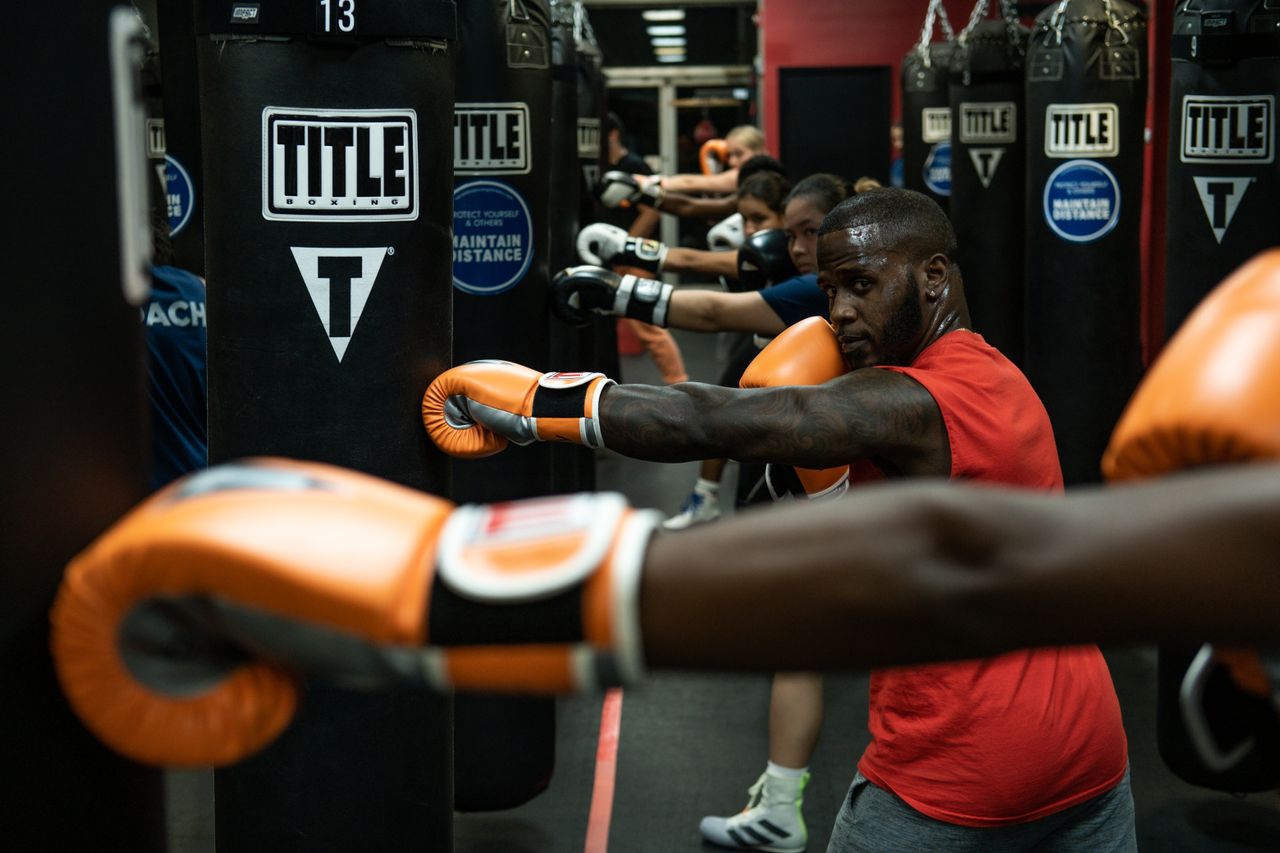
Delhi’s boxing gyms and training centers serve several different roles. Some are serious competitive environments for amateurs. Others introduce young athletes to the basics: stance, guard, footwork, straight punches, conditioning, and discipline. Fitness boxing has also grown in urban India, especially among adults who want the intensity of boxing training without necessarily entering competition. That recreational growth can be useful when it supports the gym economy, but Delhi’s strongest boxing identity remains connected to amateur development.
Amateur boxing matters more in Delhi than the professional scene. India has professional boxing, and the sport has gained attention through fighters who moved into paid ranks, but the country’s deepest international credibility still comes from amateur and Olympic-style competition. For Delhi boxers, the key pathway is often through state-level competition, national championships, selection camps, and international tournaments rather than a dense local professional circuit.
Women’s boxing is one of the most important parts of the Indian boxing story, and Delhi is part of that broader shift. The success of Indian women boxers has changed expectations around the sport. Boxing is no longer seen only through a male professional prizefighting lens. It is also a route for women to win medals, represent the country, gain public recognition, and challenge old assumptions about who belongs in the ring.
Delhi also has the advantage of visibility. A strong performance by a boxer in the capital can attract attention from coaches, media, institutions, and sponsors more easily than in many smaller locations. That does not make the path easy. Boxing remains demanding, competitive, and dependent on coaching quality. But Delhi offers a larger stage within Indian sport.
The future of boxing in Delhi will likely continue to be tied to India’s amateur ambitions. Better coaching, more competition, stronger women’s programs, and clearer pathways from local clubs to national teams would all strengthen the scene. Delhi’s boxing identity is not built around casino fights or old prizefighting mythology. It is built around national development, amateur seriousness, and the possibility that a young fighter from a crowded training room can eventually represent India.