MMA in Morocco is best understood as an emerging national scene with unusually strong combat-sports ingredients already in place. Morocco is not yet a volume producer of elite MMA champions on the scale of Brazil, Russia, the United States, or the United Kingdom, but it has several things that make its MMA identity more serious than a simple “developing market” label. It has a deep striking culture, a growing federation structure, visibility through Moroccan and Moroccan-diaspora fighters in the UFC, and a fan base that already understands boxing, kickboxing, Muay Thai, karate, judo, and other combat disciplines.
The country’s MMA story is therefore not a sudden arrival. It is a conversion story. Morocco already had athletes, coaches, gyms, and fight fans who understood combat sports. The modern challenge has been building the missing MMA-specific pieces: cage experience, unified rules, amateur pathways, wrestling and grappling depth, coaching certification, event infrastructure, and professional opportunities inside the country. That is where the Moroccan scene is now moving from scattered enthusiasm toward a more organized national identity.
The most important difference between Morocco and many newer MMA markets is that Moroccan fighters do not enter the sport without a base. They often come from striking first. Kickboxing, K-1, Muay Thai, boxing, karate, and taekwondo have all shaped the country’s combat-sports imagination. The question for Moroccan MMA is not whether the country can produce tough strikers. It is whether that striking foundation can be connected consistently to takedown defense, cage wrestling, Brazilian jiu-jitsu, ground-and-pound, and five-round professional pacing.
That process is already underway. Morocco’s national federation was established in 2018, joined IMMAF in 2019, and has since grown into a broader domestic structure with more than 70 registered MMA associations across seven regional leagues, according to IMMAF’s 2025 profile of the Moroccan MMA Federation. The same report highlighted Morocco’s first team debut at the 2024 IMMAF World Championships and the country’s development of youth championships, coaching programs, and national-level governance.
The Combat-Sports Roots Behind Moroccan MMA
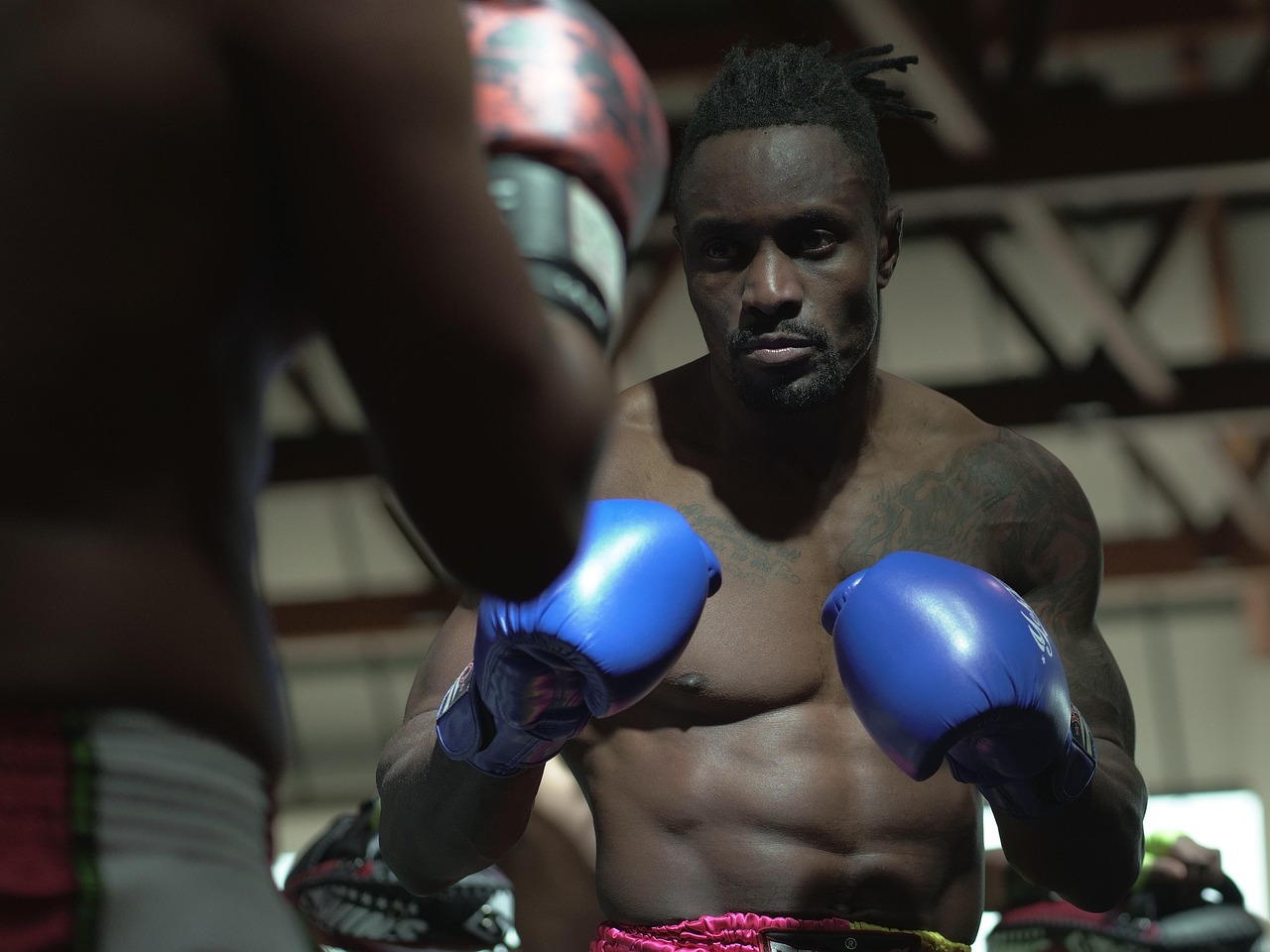
Morocco’s MMA foundation begins with striking. That matters because it gives Moroccan fighters a recognizable style before they become complete mixed martial artists. Many Moroccan athletes are comfortable in stand-up exchanges, understand rhythm, distance, low kicks, body attacks, and forward pressure, and often carry the confidence of fighters who have spent time in boxing, kickboxing, or K-1-style competition.
That striking identity is visible in the country’s best-known MMA exports. Abu Azaitar, one of the most recognizable Moroccan UFC names, entered MMA with a striker’s profile. The UFC lists him as “Captain Morocco,” a Moroccan middleweight, and notes accomplishments in Muay Thai and K-1, including German, Belgian, and European K-1 achievements.
This is an important detail because Morocco’s MMA development does not have to invent a fight culture from nothing. In many countries, MMA grows first as a gym trend imported through UFC broadcasts. In Morocco, the sport has a more natural bridge: striking gyms already existed, combat athletes already had competitive ambitions, and fans already had an appetite for stand-up fighting. MMA’s rise depends on whether those environments can add enough grappling and cage-specific training to compete internationally.
The grappling side is the more complicated part. MMA is unforgiving to one-dimensional fighters. A Moroccan kickboxer can be dangerous on the feet, but without sprawls, underhooks, wall-walking, submission defense, and positional awareness, that fighter can be neutralized by wrestlers and jiu-jitsu players. This is where Morocco’s next stage of development will be decided. The national scene needs more than strong pads, hard sparring, and striking confidence. It needs coaches who can blend disciplines into a single tactical system.
That does not mean Morocco lacks grappling traditions. Judo, wrestling, and Brazilian jiu-jitsu all exist inside the broader combat-sports ecosystem, and the federation’s emphasis on coaching education and youth development should help standardize the way those arts are folded into MMA training. But the country’s global reputation is still more clearly tied to striking and diaspora fighters than to a distinct Moroccan wrestling or grappling system.
The UFC Names That Put Morocco on the MMA Map
Morocco’s international MMA profile is heavily shaped by a small group of UFC-level names. That does not make Morocco a deep UFC factory yet, but it does give the country genuine visibility in the sport’s biggest promotion.
Youssef Zalal is the most important modern name for Moroccan MMA visibility. Born in Casablanca and known as “The Moroccan Devil,” Zalal competes in the UFC featherweight division and represents the most complete version of Morocco’s current MMA identity: Moroccan roots, international development, striking comfort, submission improvement, and a career shaped by both setbacks and reinvention. The UFC describes Zalal as a Moroccan featherweight who made his UFC debut in 2020, returned for a second stint with the organization, and has built a record with wins by knockout and submission.
Zalal’s career is useful for understanding the Moroccan pathway. He is not simply a local fighter who stayed entirely inside Morocco and reached the UFC through a domestic circuit. His development has also been tied to the American gym system, including Factory X in Colorado, where he sharpened the all-around tools needed for modern featherweight competition. That makes him part of Morocco’s MMA story, but also part of the broader diaspora and migration story that defines many emerging fight nations.
His UFC career has had multiple phases. He arrived young, gained attention quickly, hit a difficult stretch, fought his way back through regional competition, and returned with a much more mature game. By 2025 and 2026, Zalal had become a serious featherweight presence again, with high-profile bouts against established names such as Josh Emmett and Aljamain Sterling. UFCStats lists Zalal at 18-6-1, while Sherdog’s record log shows the Emmett win by armbar in October 2025 and the Sterling loss by decision in April 2026.
The Azaitar brothers represent a different but equally important part of Moroccan MMA identity. Abu Azaitar and Ottman Azaitar are Moroccan fighters closely associated with the European fight scene, especially Germany, while still carrying Moroccan national representation. Abu’s UFC profile identifies him as a Moroccan middleweight with the nickname “Captain Morocco,” and ESPN lists him as a Moroccan fighter with Combat Club Cologne affiliation.
Ottman Azaitar brought a more explosive lightweight style. UFC and ESPN profiles list him as a Moroccan lightweight, while his record is marked by knockout-heavy production. ESPN lists Ottman at 13-3 with 10 knockout wins, and the UFC profile identifies him as a Moroccan professional mixed martial artist in the lightweight division.
Together, Zalal and the Azaitars show the current pattern: Morocco has not yet produced a huge list of homegrown UFC athletes from a fully domestic pipeline, but Moroccan identity is already visible at the highest level of the sport. That visibility matters. It gives younger fighters reference points. It tells gyms there is a professional destination. It gives media and fans names to rally around. And it gives Moroccan MMA a stronger story than a country with only anonymous regional participation.
A Diaspora Scene as Much as a Domestic Scene
Moroccan MMA is not confined to Morocco’s borders. That is one of the defining features of the country’s fight identity. Some of the most visible Moroccan MMA figures have developed abroad, competed abroad, or built their careers through European and North American gyms.
This is not unusual in MMA. Countries with strong diasporas often see their first global stars emerge from immigrant communities, not domestic leagues. The same has happened across boxing, kickboxing, wrestling, and football. Fighters may be born in Morocco, raised partly abroad, trained in Germany, France, the Netherlands, Spain, Belgium, Canada, or the United States, and still carry Moroccan identity into the cage.
For Morocco, this creates both an advantage and a challenge. The advantage is access. A Moroccan fighter in Europe or North America may reach better sparring, stronger coaching, more frequent events, and better management than a fighter relying only on the domestic Moroccan circuit. That accelerates development and increases the chance of reaching UFC, PFL, ONE Championship, Brave CF, ARES, Cage Warriors, Oktagon, or other international platforms.
The challenge is that diaspora success does not automatically build a domestic ecosystem. A Moroccan-born or Moroccan-heritage fighter winning in the UFC inspires the country, but the next generation still needs local gyms, certified coaches, amateur events, referees, judges, medical standards, and professional shows. Morocco’s MMA future depends on whether the excitement created abroad can be turned into infrastructure at home.
That is why the federation structure matters. IMMAF reported that the Moroccan federation has worked on national championships, youth programs, coaching certification, and regional league coverage across much of the kingdom. Those are not glamorous details compared with UFC knockouts, but they are the pieces that determine whether the sport becomes sustainable.
Gyms, Training Culture, and the Moroccan Fighter Profile
The Moroccan fighter profile is likely to remain striking-heavy in the near term. That is not a weakness by itself. In modern MMA, elite striking is still one of the most valuable foundations a fighter can have. But the athletes who rise internationally will be the ones who use Morocco’s striking culture as a base rather than a ceiling.
At the gym level, the most important transition is from martial arts training to MMA training. A kickboxing gym can produce a dangerous fighter. A boxing gym can produce hand speed, footwork, and toughness. A judo or BJJ room can produce excellent grappling instincts. But MMA requires a different set of habits. Fighters must learn how punches change when takedowns are available. They must learn how to strike near the fence. They must learn how to stand up after being taken down, how to protect themselves while scrambling, and how to conserve energy when an opponent is pressuring them in the clinch.
Moroccan MMA development will also depend on sparring culture. In countries where striking is respected, there can be a tendency to overvalue hard stand-up rounds and undervalue positional drilling. MMA demands a more layered approach. The best prospects need rounds that begin against the fence, rounds that begin from bottom half guard, rounds that begin after a failed takedown, and rounds where the athlete is forced to move from striking into wrestling and back again.
The federation’s growth may help create more consistency across gyms. IMMAF’s profile of Morocco emphasized coaching certification, referee and official development, youth engagement, and structured national competition. The Royal Moroccan federation’s own site also lists federation events tied to coach training, referee and official training, regional championships, and youth/junior championships.
That kind of standardization is important because young MMA countries can develop unevenly. One gym may have good striking but no grappling. Another may have grappling but little cage awareness. Another may have ambitious athletes but no safe competition calendar. The more Morocco can connect its regional associations into a common competitive system, the easier it becomes to identify real prospects and prepare them for international amateur tournaments.
Amateur MMA and the Youth Pipeline
Morocco’s long-term ceiling in MMA will probably be decided at the amateur level. Professional stars matter for visibility, but amateur systems produce depth. If a young fighter can compete safely and regularly before turning professional, that fighter is less likely to learn basic MMA lessons under professional pressure.
This is where Morocco has shown meaningful signs of progress. IMMAF reported that Morocco made its first team debut at the 2024 IMMAF World Championships and that the federation was recognized at the IMMAF General Assembly and Awards Ceremony in Tashkent for proactive sport development. The federation also staged an inaugural Morocco Youth National Championship in Kenitra in October 2024, bringing together more than 140 young athletes, with female participation included in the field.
Youth development changes the entire character of a national MMA scene. A fighter who begins MMA at 13, 14, or 15 does not think like a converted boxer or converted kickboxer. That athlete grows up with takedowns, submissions, wall work, striking entries, and ground defense as part of the same sport. Over time, that produces a more natural mixed martial artist.
For Morocco, this could be the bridge between its striking past and its MMA future. The country does not need to abandon its striking identity. It needs to create young athletes who can strike like Moroccans, defend takedowns like wrestlers, scramble like jiu-jitsu players, and compete under unified MMA rules with enough experience to stay calm when fights become messy.
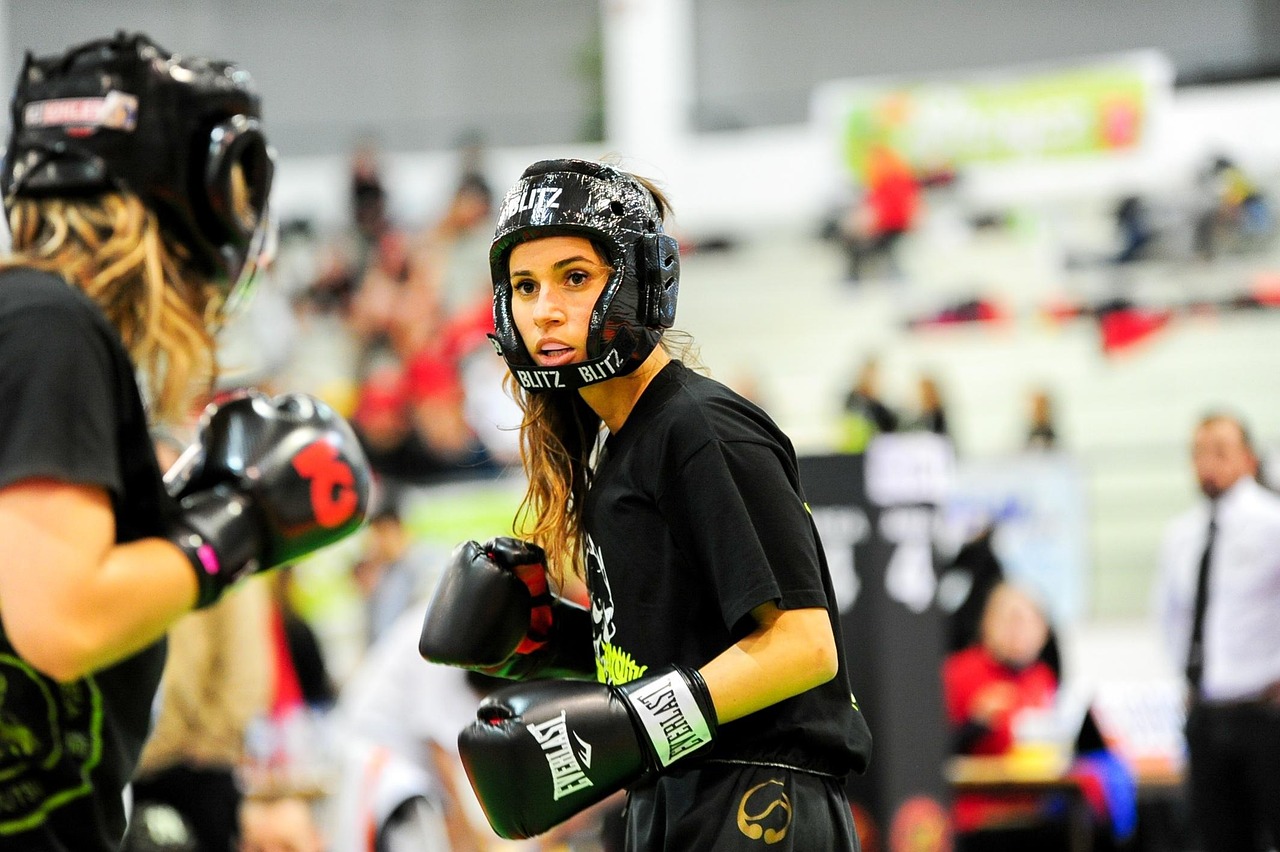
The inclusion of young women is also worth noting. Women’s MMA is still uneven across much of the world, but countries that build female participation early can gain a developmental advantage. If Morocco can create safe, structured, culturally supported pathways for women in amateur MMA, it can expand the athlete base and avoid treating women’s MMA as an afterthought.
Professional Events and the Search for a Moroccan Platform
The next major question is whether Morocco can build a durable professional event scene. Fighters need somewhere to compete. Fans need local shows to attend. Sponsors and media need recognizable brands. Coaches need events that make it worthwhile to develop athletes professionally instead of sending every serious prospect abroad.
Morocco has already attracted attention from international and regional MMA organizations. IMMAF’s 2019 announcement welcoming Morocco noted that the Moroccan federation had partnered with BRAVE Combat Federation in bringing international professional MMA to the country. BRAVE CF has positioned itself as a global MMA organization with events across many countries, making it a natural bridge for markets outside the UFC’s core event calendar.
More recently, Maghreb Fighting Championship was announced as a Moroccan MMA event project, with Yabiladi reporting in 2025 that Morocco was set to host the launch of MFC at the Complexe Sportif Bachir in Mohammedia. Tapology also lists Maghreb Fighting Championship as a Morocco-headquartered MMA promotion with a 2025 event listing in Casablanca.
The existence of local professional platforms matters, but Morocco is still in the early stage of proving durability. A real professional scene is not built by one event. It requires repeat shows, reliable matchmaking, safe medical standards, broadcast or streaming visibility, sponsor support, ticket-buying fans, and a clear relationship with the amateur system. The goal should be a ladder: youth MMA, amateur championships, regional senior competition, national titles, professional debuts, and then international opportunities.
If Morocco can create that ladder, it will not have to rely only on diaspora fighters to carry its flag. Domestic athletes will still need to travel for high-level camps and international bouts, but they will have a stronger foundation before they leave.
Morocco’s Place in African and MENA MMA
Morocco sits in an important geographic and cultural position for MMA. It belongs to North Africa, connects naturally to the Maghreb, has sporting ties with Europe, and fits into the broader MENA combat-sports market. That gives Moroccan MMA several possible competitive lanes.
Within Africa, the sport is still unevenly developed. South Africa has a longer domestic professional MMA history. Nigeria has enormous athletic potential and diaspora combat-sports visibility. Cameroon has global recognition through Francis Ngannou. Egypt has a large combat-sports population and regional relevance. Morocco’s advantage is that it now appears to be investing in governance and federation structure rather than relying only on individual fighters.
Within the MENA region, Morocco can connect to promotions and fight markets in Bahrain, the UAE, Saudi Arabia, and Qatar, where combat sports have received increasing investment and event attention. Moroccan fighters who can speak to Arab, African, European, and diaspora audiences have unusually flexible marketability. A Moroccan prospect does not have to appeal to only one audience.
Europe is equally important. France, Spain, Belgium, Germany, and the Netherlands all have Moroccan communities and strong combat-sports scenes. For Moroccan MMA, those countries function as training corridors, talent pools, and fan bases. The Azaitar brothers’ connection to Germany is one example of how Moroccan MMA identity can develop through Europe while still feeding Moroccan pride.
This multi-region identity is one of Morocco’s greatest strengths. The domestic scene may still be developing, but Moroccan fighters are not isolated. They can access European striking culture, American MMA gyms, MENA promotions, African championship pathways, and Moroccan national representation.
What Moroccan MMA Still Needs
Morocco’s next step is not simply producing another UFC fighter. That would help visibility, but the deeper goal is creating repeatable development. The country needs more athletes who can move from local amateur competition into serious professional careers without having to improvise every step.
The technical priorities are clear. Moroccan MMA needs more wrestling depth, more cage-specific grappling, more submission defense, more MMA judges and referees with international-level experience, and more coaches who understand how to blend striking with takedown threats. A Moroccan kickboxer who learns a defensive wrestling shell can become dangerous quickly. A Moroccan boxer who learns clinch breaks and underhooks can become a real MMA prospect. A young BJJ athlete who grows up striking can give the country a more complete fighter profile.
The commercial priorities are just as important. Moroccan MMA needs consistent professional events, recognizable local champions, media coverage, sponsorship, streaming access, and a connection between federation activity and professional opportunity. If amateur champions have nowhere to go, the pipeline stalls. If professional events exist without amateur development, matchmaking becomes shallow. The two sides have to grow together.
The cultural priority is legitimacy. MMA has often had to fight for acceptance in countries where traditional martial arts, boxing, or Olympic sports are better understood. Morocco’s federation recognition and IMMAF integration give the sport a more official identity, which can help parents, schools, municipalities, sponsors, and broadcasters treat MMA as an organized sport rather than a spectacle. The more Morocco emphasizes coaching, youth safety, officiating, and national championships, the easier that legitimacy becomes.
The Future of MMA in Morocco
The future of MMA in Morocco looks promising because the country’s development is no longer only symbolic. There are Moroccan names in the UFC. There is a national federation structure. There are youth championships. There are registered associations and regional leagues. There are attempts to create local professional platforms. There is a combat-sports culture that already respects striking and competition.
The next Moroccan breakthrough may come from several possible places. It could come from a Casablanca-born athlete who sharpens his game in Europe. It could come from a Rabat or Kenitra youth champion who grows up through the national federation system. It could come from a Moroccan-French or Moroccan-German fighter who uses the diaspora route. It could come from a female prospect who benefits from early youth participation. It could come from a former kickboxer who adds grappling at the right gym and finds the right regional promotion.
Morocco does not yet have the depth of a major MMA nation, but it has a clear identity. It is a striking country learning the full MMA language. It is a diaspora fight nation trying to build domestic infrastructure. It is a North African market with links to Europe, the Arab world, and the wider African MMA scene. It is no longer just watching Moroccan fighters abroad; it is trying to create a system that can produce them at home.
That makes MMA in Morocco one of the more interesting development stories in African and MENA combat sports. The country’s next stage will depend on whether the federation, gyms, local events, and international pathways can work together. If they do, Morocco can become more than a country with a few famous MMA representatives. It can become a serious regional producer of modern mixed martial artists.