Costa Rica is not usually introduced as a boxing country first. Football dominates the national sports conversation, and the country’s international athletic identity is more often attached to endurance, surf, adventure sport, and regional multi-sport competition. But Costa Rican boxing has a more serious record than its casual reputation suggests. It has produced world-level professionals, visible women’s boxing success, Olympic participation, and a domestic scene that mixes competitive boxing with fitness, club training, and Central American tournament pathways.
The strongest part of Costa Rica’s boxing profile is its professional top end. Hanna Gabriels is the central figure. She became one of the country’s most important boxing athletes through world-title success across multiple weight classes, and her fights in Costa Rica helped make women’s boxing visible to a mainstream audience that might not otherwise follow the sport closely. Gabriels’ career included WBO and WBA title achievements, a major fight with Claressa Shields, and a long presence near the top of women’s boxing.
Bryan “El Tiquito” Vásquez gives Costa Rican boxing another major professional reference point. A San José fighter and former interim WBA super featherweight champion, Vásquez brought Costa Rica into the international men’s professional boxing conversation during a career that included title-level fights and major promotional exposure abroad. His career showed the central reality for Costa Rican professionals: local support matters, but the biggest opportunities usually come through Mexico, the United States, Japan, or larger Latin American boxing markets.
Costa Rica’s Olympic boxing history is thinner but still part of the national record. Costa Rican boxers appeared in Olympic boxing in 1968, with Isaac Marín and Walter Campos, and again in 1988, when Humberto Aranda reached the welterweight bracket. That kind of participation did not turn Costa Rica into an Olympic boxing power, but it gives the sport a legitimate amateur foundation.
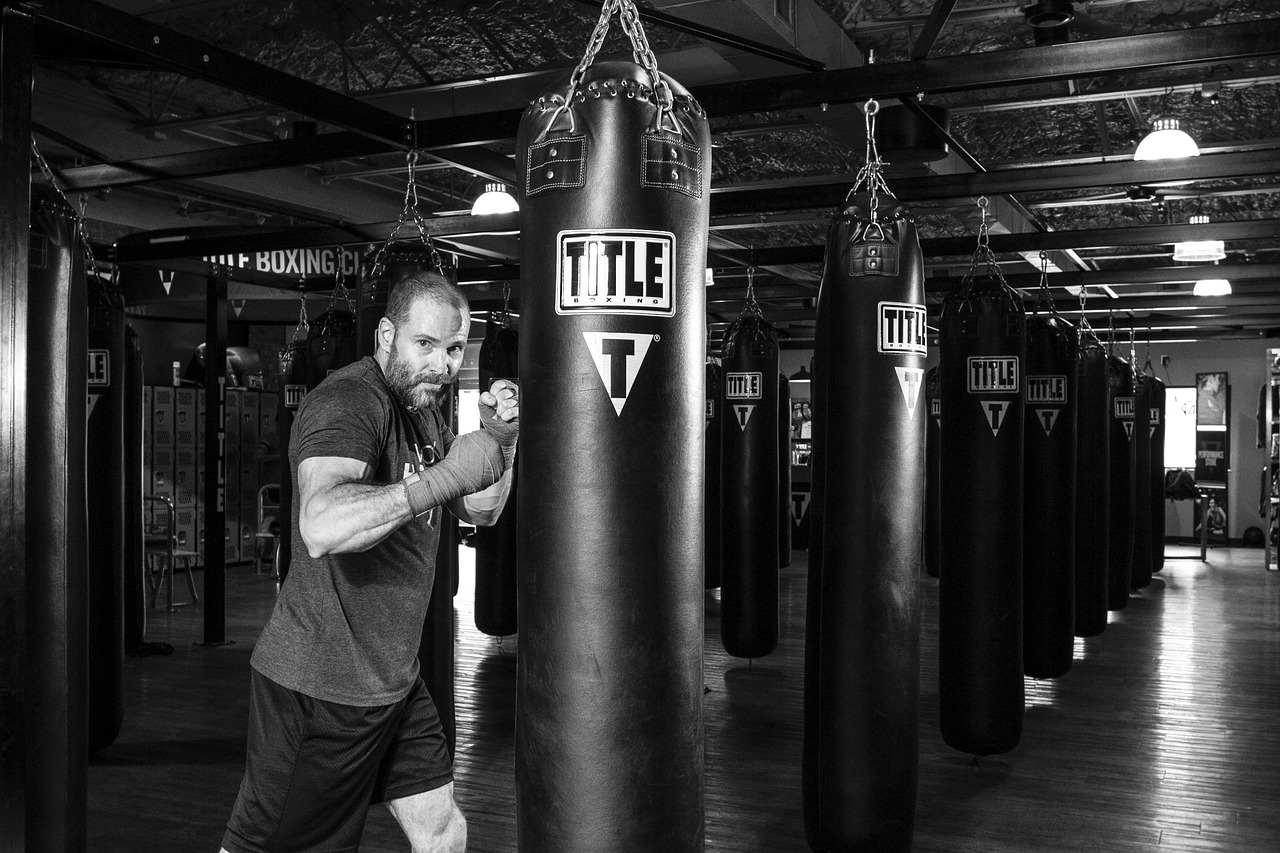
The current boxing scene is split between competitive development and recreational demand. In San José and the Central Valley, boxing gyms serve serious fighters, young amateurs, adults looking for conditioning, and martial artists who want better hands. In beach and tourism regions, boxing can also appear as part of fitness culture, with classes built for travelers, expats, and recreational athletes. That creates a wider participation base, but it also means the competitive side has to work harder to separate itself from general fitness boxing.
Costa Rica’s amateur system is important because the country sits inside a highly competitive regional boxing neighborhood. Central America and the Caribbean produce skilled fighters, and Costa Rican boxers must find rounds against opponents from Nicaragua, Panama, Mexico, Puerto Rico, and Colombia if they want to advance. A 2018 Central American and Caribbean Games qualifying event, for example, sent several Costa Rican boxers into regional competition, including both men and women.
Women’s boxing may be Costa Rica’s most distinctive opening. Gabriels gave the country a model that was not simply “a Costa Rican boxer did well abroad.” She made title-level women’s boxing part of the national sports conversation. That matters for the next generation because smaller boxing countries often need one visible athlete to change what young fighters believe is possible.
Costa Rican boxing is best described as selective but credible. It does not have Mexico’s volume, Puerto Rico’s championship lineage, or Cuba’s amateur machine. Its strength is more concentrated: a few elite professionals, an active club culture, regional amateur competition, and a women’s boxing legacy that gives the country a stronger identity than many outsiders would expect. The next stage depends on whether Costa Rica can turn isolated world-level success into a broader development pipeline.