Malawi’s boxing identity is unusually clear for a country that is not widely known in global professional boxing. In Malawi, boxing has been one of the country’s most productive international sports, especially through the Commonwealth Games. The country’s medal history at that event is built entirely around boxing, which gives the sport a special place in Malawi’s competitive record.
Malawi made its Commonwealth Games debut in 1970, and boxing immediately gave the country a medal. Commonwealth Sport notes that Malawi won a boxing bronze on debut in Edinburgh and later won two more boxing medals in Scotland in 1986. That record is more than a trivia point. It shows that boxing has been one of the few sports in which Malawian athletes have been able to turn limited resources into international podium finishes.
The medal names matter. Tatu Ghionga won bronze in men’s lightweight in 1970. Lyton Mphande and Solomon Kondowe added boxing bronzes in 1986, in lightweight and light-welterweight divisions. Malawi’s Commonwealth Games medal table remains modest, but the fact that all of its medals have come from boxing gives the sport an outsized symbolic value.
Malawi also has an Olympic boxing trail. At the 1984 Olympics, Peter Ayesu reached the flyweight quarterfinal stage, while Ali Faki, Solomon Kondowe, Phillimon Ayesu, Fletcher Kapito, and Drake Thadzi also represented Malawi in boxing events. That generation is central to understanding Malawi’s boxing reputation. The country has not produced a global professional boxing industry, but it has produced boxers capable of representing the nation credibly in major amateur events.
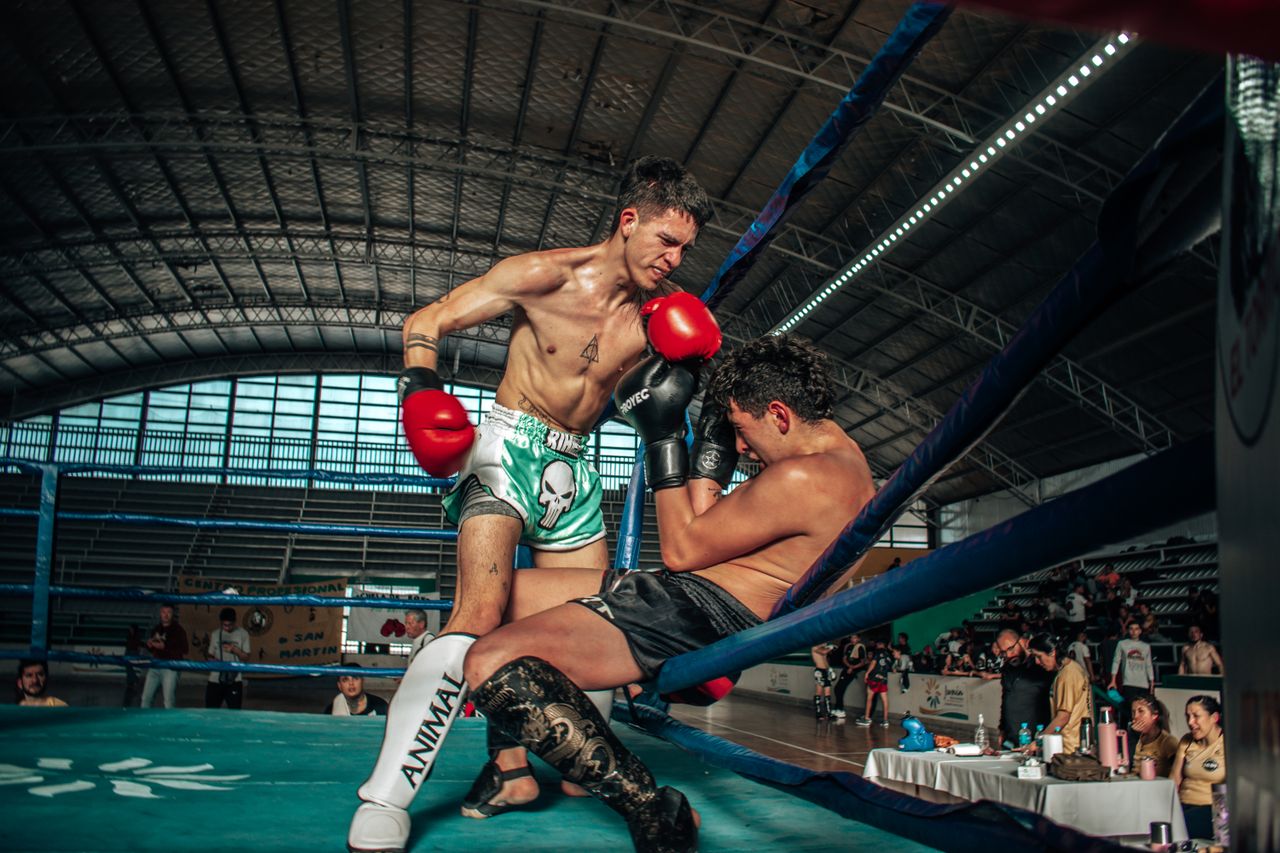
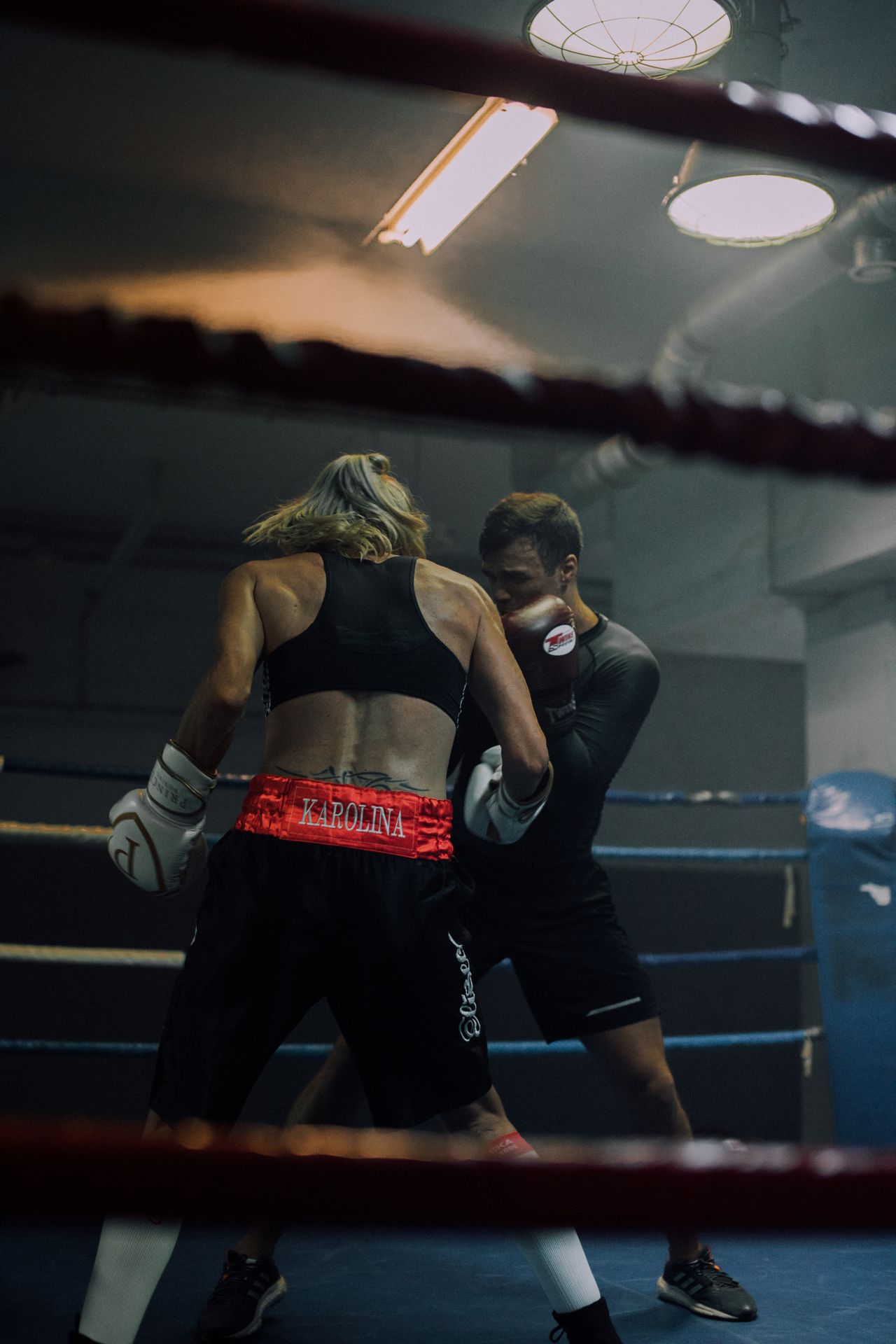
The structure behind Malawian boxing is closer to an amateur development scene than a professional marketplace. Boxing gyms and clubs in Malawi often operate as community sports spaces, youth development environments, and competition pathways for athletes who may not have access to expensive sports infrastructure. The sport’s appeal is partly practical. Boxing does not require the same facilities as many team sports, and a committed coach can build a serious training culture in a modest room if there is discipline, equipment, and competition access.
That does not mean the path is easy. Malawi’s boxing scene faces the common challenges of many smaller African fight markets: limited funding, uneven access to quality facilities, few high-profile professional promotions, and the need to travel for stronger competition. The best Malawian boxers often need regional tournaments, Commonwealth pathways, Olympic qualifiers, or training camps abroad to test themselves properly. Regional links with countries such as Zambia, Zimbabwe, South Africa, and Tanzania can be important because boxing development depends on regular bouts, not just gym work.
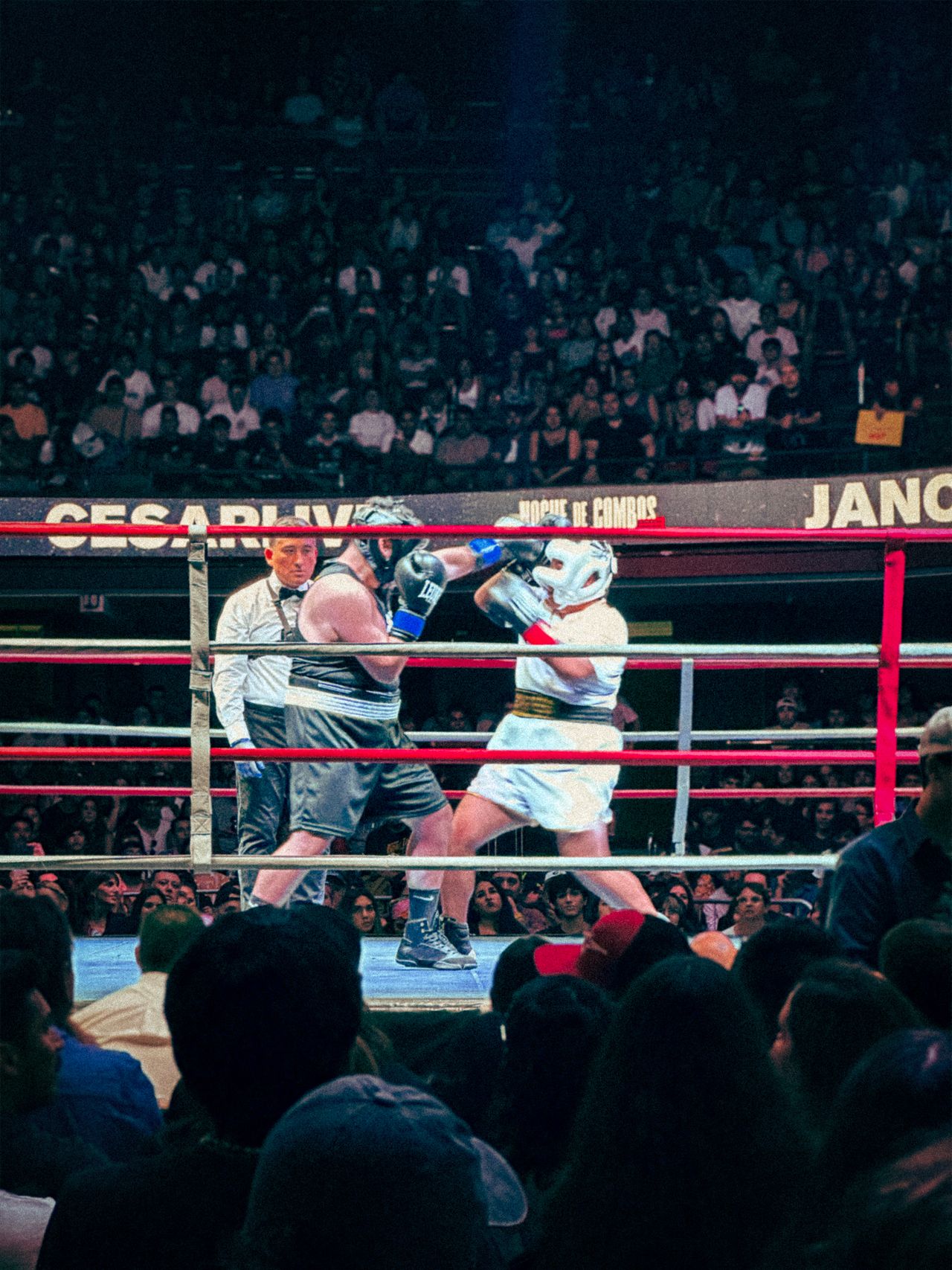
Professional boxing in Malawi exists, but the country’s deeper boxing identity remains tied to amateur achievement. The Commonwealth Games record gives Malawi a foundation that many countries would like to have: proof that boxing can produce medals, national representation, and serious athletes. The task now is continuity. A country can have a golden generation and then lose momentum if clubs, coaches, and youth programs are not supported.
For Malawi, the future of boxing is about rebuilding around what already worked. The sport has shown that Malawian fighters can compete internationally. If the country can strengthen grassroots boxing, improve coaching depth, support women’s boxing, and give amateur fighters more consistent regional exposure, boxing can remain one of Malawi’s most important individual sports. It is not just a niche activity there. It is one of the clearest examples of Malawi turning fighting discipline into international sporting recognition.