Connecticut boxing is small in geography but unusually rich in history. The state’s fight identity is not based on size. It is based on old boxing cities, serious gyms, and a lineage of fighters who gave Connecticut a place in the sport far beyond what its population might suggest. Hartford, New Haven, Bridgeport, Middletown, Stamford, Norwich, and other communities have all contributed to a boxing culture that feels compact, urban, and historically dense.
The state’s strongest boxing claim begins with its fighters. Willie Pep, born in Middletown, is one of the greatest featherweights in boxing history and one of the finest defensive fighters the sport has ever produced. His name alone gives Connecticut permanent standing in boxing history. But Pep is not the whole story. Marlon Starling, from Hartford, became a world-class welterweight and one of the state’s defining modern fighters. Battling Battalino, also tied to Hartford, adds another championship-era name. Connecticut’s boxing record also includes figures such as Maxie Rosenbloom, Melio Bettina, Jimmy Clabby, and other fighters who connect the state to earlier eras of American boxing.
Connecticut’s boxing geography matters because its cities have distinct fight personalities. Hartford has long carried a reputation as one of the state’s central boxing communities, with gyms and fighters that kept the sport visible across generations. New Haven has its own deep boxing memory. By the 1920s, boxing was described as one of the city’s most popular sports, with local gyms filled with young fighters. Bridgeport’s fight identity is tied to working-class sports culture and the old northeastern boxing circuit. These cities gave Connecticut boxing its shape: close quarters, tough rooms, and fighters who often had to compete outside the state to build larger names.
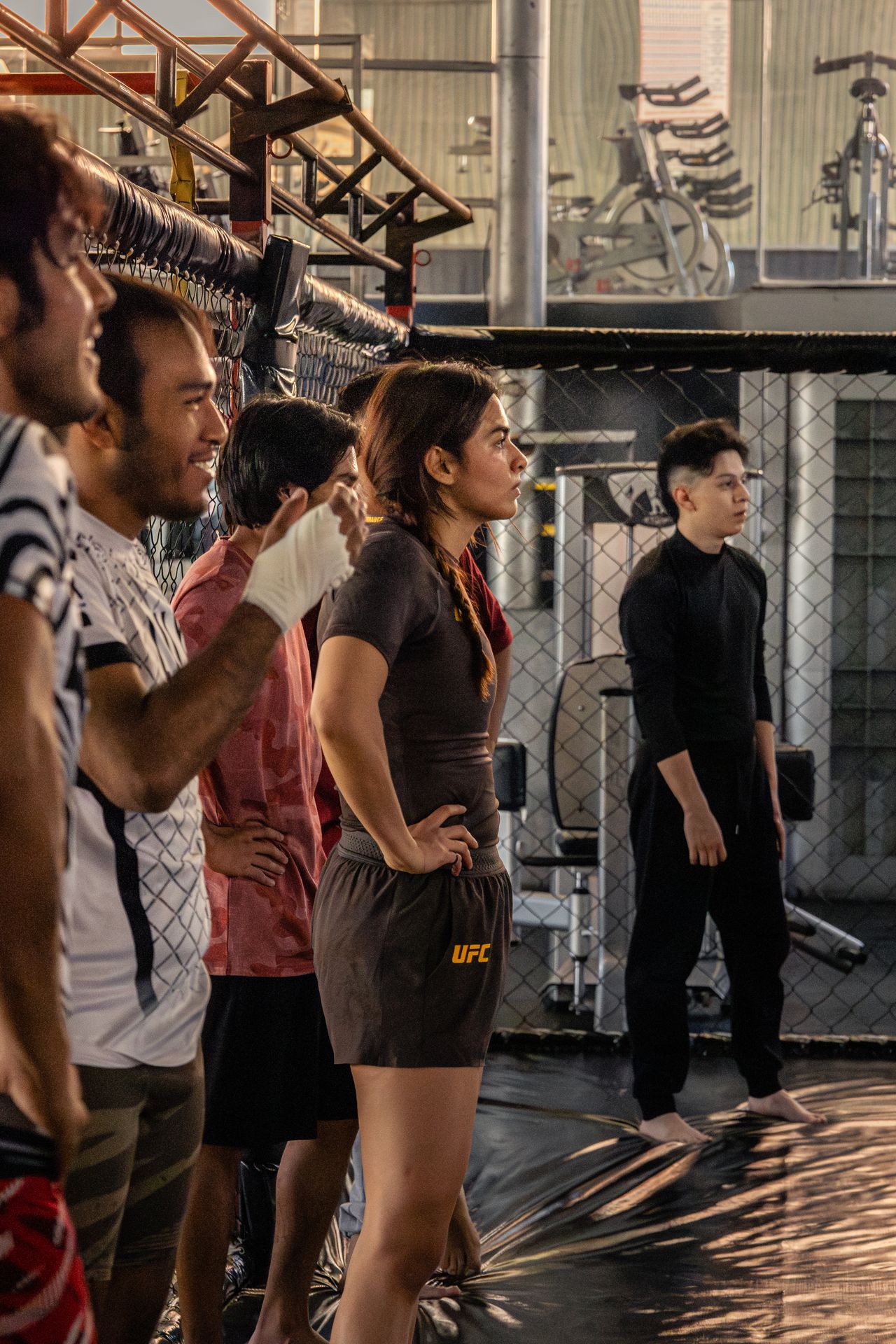
The gym culture in Connecticut is old-school in the best sense. The state does not need dozens of major arenas to sustain boxing. It needs local trainers, youth programs, amateur shows, and gyms that understand how to develop fighters patiently. Hartford’s Charter Oak Boxing Academy is one example of a community-rooted boxing institution, listing its location at Pope Park Highway and connecting itself to local boxing development. Places like that matter because Connecticut boxing has often survived through continuity rather than spectacle.
Amateur boxing remains central. In a smaller state, amateur programs are often where the boxing public first sees future professionals, serious hobbyists, and young athletes looking for structure. Connecticut fighters are also naturally connected to the broader Northeast boxing ecosystem. New York, Massachusetts, Rhode Island, and New Jersey are all reachable, which gives Connecticut boxers access to a larger regional circuit. That proximity is a major advantage. A fighter can be locally rooted while still testing himself against strong opposition from nearby states.
Connecticut’s professional boxing history has never depended on constant mega-events. Instead, it has produced respected fighters and supported local scenes that feed into larger markets. That gives the state a different kind of boxing identity from Nevada or California. Connecticut is not primarily a stage. It is a producer, a training ground, and a northeastern fight state with real historical weight.
The future of boxing in Connecticut will depend on whether its gyms and amateur programs can keep connecting young fighters to meaningful competition. The state has the history. It has the names. It has the cities. What Connecticut boxing needs most is the same thing it has always needed: serious rooms, committed coaches, and enough local opportunity for fighters to believe the next Willie Pep or Marlon Starling does not have to come from somewhere bigger.