Raleigh boxing is an emerging city scene rather than a historic fight capital. Its identity is built around gyms, amateur development, regional shows, and the wider growth of combat sports in North Carolina’s Triangle. The city does not have the deep championship lineage of Pittsburgh or the old professional infrastructure of Philadelphia. Raleigh’s boxing story is more current, more developmental, and more tied to participation.
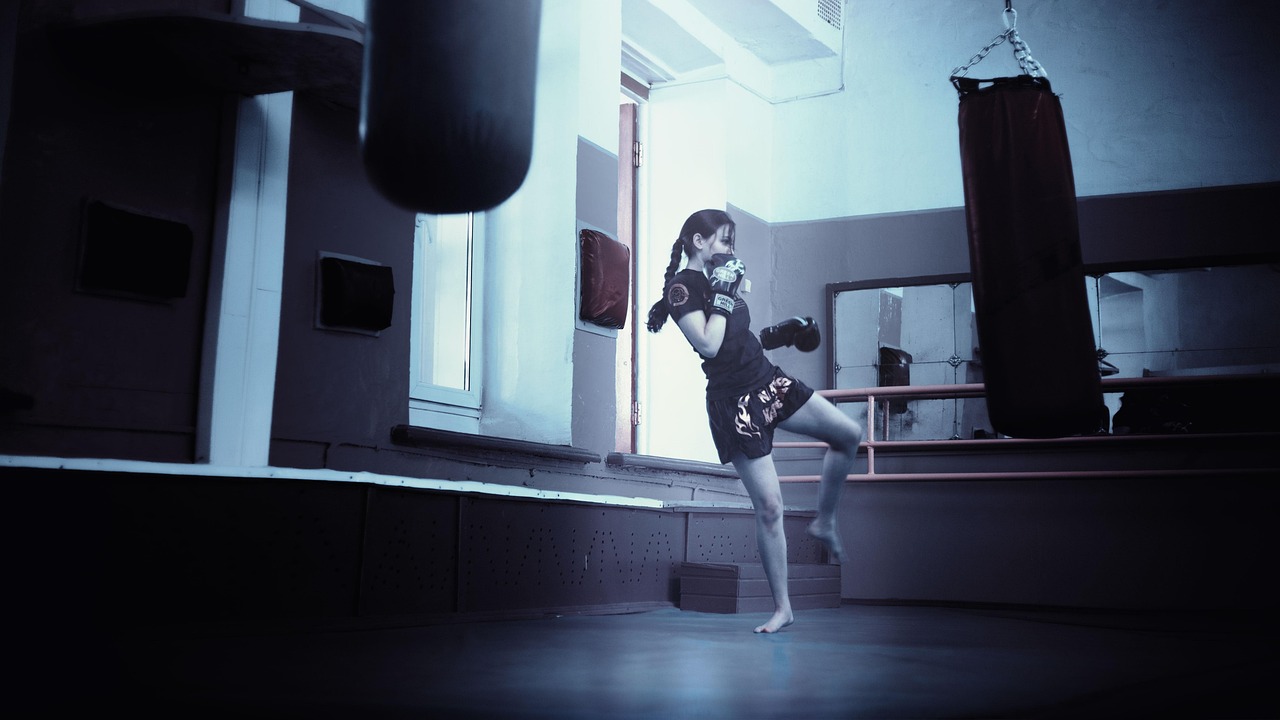
That makes the gym culture especially important. In a city like Raleigh, boxing grows from the room outward. Serious local gyms provide the first bridge between fitness interest and real boxing education: stance, footwork, jab discipline, bag work, mitt work, conditioning, defense, and eventually sparring for athletes who want to compete. Jawbreaker Boxing is one of the visible examples, presenting itself as a downtown Raleigh boxing gym with training for different skill levels and a coaching staff led by Remy Fullwood, a USA Boxing coach and former professional boxer.
Raleigh’s boxing culture also reflects a broader American trend: many people first enter boxing through fitness, but the health of the sport depends on whether some of those people discover the competitive side. Heavy-bag classes and boxing conditioning can bring new bodies into the gym, but the deeper scene needs coaches who can teach defense, distance, ring control, and composure under pressure. Raleigh’s advantage is that it is a growing city with a young professional population, universities nearby, and enough athletic culture to support both recreational and competitive boxing.
The city’s fight-event infrastructure is still developing, but boxing does appear on the local calendar. Dorton Arena in Raleigh has hosted boxing among other amateur and professional sporting events, and state combat-sports listings show boxing events in the city and surrounding region. That kind of activity matters because fighters need more than training. They need sanctioned bouts, local crowds, matchmaking, officials, and regular opportunities to test themselves without leaving the state for every step in their development.
Raleigh also sits inside a larger North Carolina boxing picture. The state is not usually treated as one of America’s dominant boxing centers, but it has produced important fighters and has active amateur programs across different cities. North Carolina’s boxing identity is spread out rather than centralized. Raleigh, Durham, Greensboro, Charlotte, Fayetteville, and smaller communities all contribute pieces of the scene. For Raleigh, the opportunity is to become one of the state’s reliable hubs, especially for young fighters and regional shows.
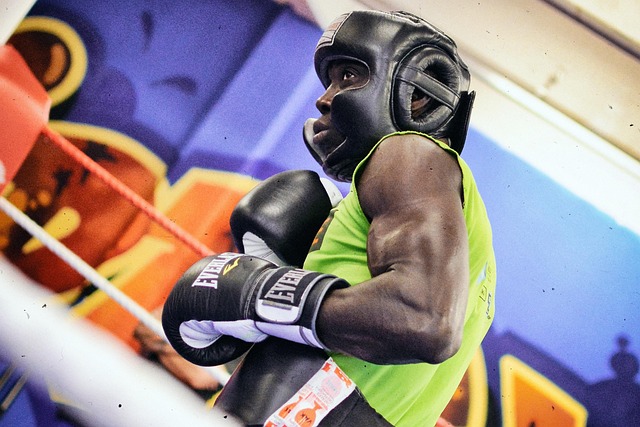
Amateur boxing is the most important pathway for that growth. Golden Gloves and USA Boxing-style events give young athletes structure and a reason to train with purpose. North Carolina’s combat sports community continues to show signs of youth development, with state-level attention given to young Golden Gloves champions and amateur boxing programs. Those systems are not just about producing professionals. They create coaches, officials, local rivalries, and the culture that keeps boxing alive between major televised fights.
Women’s boxing and community-focused boxing can also be part of Raleigh’s growth. Events centered on female amateur boxing and empowerment show that the city’s boxing scene is not limited to the old model of men’s competitive gyms. That expansion is important for a modern market. A healthy Raleigh boxing ecosystem can include competitors, youth athletes, women’s programs, Parkinson’s boxing, fitness members, and serious amateurs without treating all of them as the same audience.
Raleigh’s future in boxing will not come from pretending it is already a major fight city. It will come from building patiently: better gyms, more amateur cards, stronger local coaching, regional professional shows, and clearer pathways for talented fighters. The city has the population growth and athletic base to support a larger boxing culture. Its boxing identity is still being written, and that is exactly what makes it interesting.