Boxing in Ireland has a rare place in the country’s sporting identity. It is not simply a professional prizefighting tradition, and it is not only an Olympic medal machine. Irish boxing sits between the local club and the world stage, between parish halls and packed arenas, between volunteer coaching and elite international performance. It is one of the sports where Ireland has consistently produced fighters who can carry national expectation without losing the feel of where they came from.
The Irish boxing story begins at ground level. It is a club sport before it is a television sport. Across cities, towns, suburbs, and rural communities, boxing clubs have served as training rooms, youth outlets, competitive pathways, and neighborhood institutions. Boxing Ireland describes the sport as having more than 360 clubs across 32 counties and a membership of more than 25,000 people, which gives the sport a reach that goes far beyond the handful of names known to casual fans.
That club base explains why boxing has repeatedly punched above its weight in Ireland. The country does not have the population size, commercial boxing calendar, or domestic broadcast machine of the United States, Mexico, Britain, or Japan. What it does have is a deep amateur structure, a strong culture of coaching, and a national respect for fighters who come through hard local gyms and prove themselves internationally.
Irish boxing is also unusual because its amateur tradition has long been organized on an all-island basis. That gives the sport a broader cultural footprint than a simple Republic of Ireland page can fully capture. Dublin, Cork, Galway, Limerick, Waterford, Bray, Belfast, Derry, and smaller boxing towns all belong to the wider Irish boxing conversation. The result is a sport that carries local identities strongly while still feeding into a shared boxing reputation.
The Club System Behind Irish Boxing
To understand boxing in Ireland, the first stop is not the professional arena. It is the club. Irish boxing has been sustained by small gyms, volunteer trainers, family involvement, and youth competition. The sport’s best fighters usually emerge from years of local discipline before they become national names. That gives Irish boxing a rooted quality. Fighters are not only marketed as individual stars; they are often understood as products of particular clubs, towns, coaches, and communities.
The Irish Athletic Boxing Association was formed in 1911, and its history is closely tied to the development of a centralized amateur system. A defining feature of that system is the National Boxing Stadium in Dublin, which opened in 1939 and remains one of the most important physical symbols of Irish boxing. The association has described it as a rare case of an amateur boxing body owning and overseeing its own stadium.
That matters because Irish boxing has always needed infrastructure to compete with larger nations. Without the commercial scale of bigger fight markets, Ireland’s competitive strength has come from organization, repetition, coaching, and a clear amateur pathway. A young boxer can begin in a local club, move through county and provincial championships, compete nationally, and, if good enough, enter the high-performance pathway that leads toward European, world, and Olympic competition.
The best Irish clubs do more than teach punches. They build rhythm, balance, ring discipline, defensive habits, fitness, and emotional control. The style can vary by gym and region, but Irish amateurs have often been associated with sharp fundamentals, pressure, toughness, and the ability to box under tournament conditions. In Olympic-style boxing, where bouts are short and mistakes are expensive, that preparation matters.
The club system also gives Irish boxing its social role. In many communities, boxing gyms are affordable, direct, and demanding. They offer a sporting environment where young athletes learn structure quickly. The sport can be unforgiving, but the Irish club model has kept boxing accessible to families and communities that might not have the resources for more expensive sports. That has helped the sport remain relevant across generations.
Ireland’s Olympic Boxing Reputation
Ireland’s strongest international boxing identity is amateur and Olympic. While professional champions have carried the Irish flag in major arenas, the country’s most consistent global success has come through Olympic-style boxing. Boxing has produced a substantial share of Ireland’s Olympic identity, and for long periods it has been one of the country’s most reliable medal sports.
The modern high-performance era raised Irish expectations. Fighters such as Kenny Egan, Paddy Barnes, Michael Conlan, John Joe Nevin, Katie Taylor, Kellie Harrington, Aidan Walsh, and others helped make Olympic boxing a mainstream part of Irish sporting conversation. Their success did not come from isolated talent alone. It reflected the connection between local clubs, national championships, high-performance coaching, and international tournament experience.
Katie Taylor changed the scale of what Irish amateur boxing could mean. Before becoming a professional world champion, she was already one of the defining amateur boxers of her generation. Her Olympic gold medal in London in 2012 gave women’s boxing in Ireland a public breakthrough moment, but it also gave the wider sport a new level of visibility. She was not just a great Irish boxer; she became one of the athletes most closely associated with modern Irish sporting excellence.
Kellie Harrington extended that tradition in a different way. Her Olympic gold in Tokyo made her a national figure, and her second Olympic gold in Paris made her the first Irish boxer to win consecutive Olympic gold medals. Reuters reported after the Paris final that Harrington announced her retirement following that second gold, closing one of the most successful amateur careers in Irish boxing history.
The importance of Taylor and Harrington goes beyond medals. Together, they shifted the center of Irish boxing visibility. For generations, boxing coverage often focused heavily on male professionals and male amateur medalists. Taylor and Harrington made women’s boxing central to the Irish story. They showed that Ireland’s club system and high-performance pathway could produce women capable of defining the sport internationally.
Ireland’s Olympic boxing reputation is also connected to coaching. Georgian-born coach Zaur Antia became one of the key figures in Ireland’s modern high-performance era, working with many of the country’s top international boxers. His influence is part of the broader story of how Ireland combined local boxing culture with elite technical development. The country’s success has not come from one gym or one generation. It has come from a system that learned how to turn club fighters into international competitors.
Famous Irish Boxers and the Meaning of the Green Corner
Irish boxing has produced several different kinds of famous fighters. Some are Olympic heroes. Some are professional champions. Some are remembered as symbols of a particular city, county, or era. The best Irish boxing figures usually become more than athletes because they carry a sense of place.
Katie Taylor is the central figure in modern Irish boxing. From Bray, County Wicklow, she built one of the most decorated amateur careers in women’s boxing before becoming a major professional champion. Her professional career helped raise the commercial profile of women’s boxing internationally, while her amateur career remains one of the foundations of Ireland’s Olympic boxing identity. Taylor’s importance is not only that she won; it is that she made Irish boxing feel modern, global, and central to the rise of women’s prizefighting.
Kellie Harrington represents another version of Irish greatness. From Dublin’s north inner city, she became a symbol of technical excellence, calm under pressure, and community pride. Her Olympic success gave Ireland a fighter who felt deeply local and unmistakably international at the same time. Harrington’s career reinforced the idea that Irish boxing’s biggest stages are often built from small rooms and local loyalty.
Steve Collins occupies a different place in Irish boxing memory. As a professional, he became known for toughness, confidence, and major victories in the super-middleweight era. His wins over Chris Eubank and Nigel Benn made him one of Ireland’s most successful professional fighters of the 1990s. Collins brought a hard professional edge to Irish boxing, showing that Irish fighters could thrive in the commercial and psychological theater of major prizefighting.
Barry McGuigan remains one of the most emotionally powerful figures in the broader Irish boxing story. From Clones, he became featherweight world champion in the 1980s and a major sporting figure during a tense period in Irish and British history. His career is often remembered not only for his fighting style, but for the way he attracted support across divided communities. That made him more than a champion. He became a boxing figure whose popularity carried social meaning.
Carl Frampton, from Belfast, continued the tradition of elite fighters from the north of the island making an impact on the world stage. A two-weight world champion, Frampton combined technical skill, disciplined preparation, and major-event charisma. His rise showed the continuing strength of Irish and Northern Irish boxing culture, especially in cities where boxing clubs have long been part of working-class sporting life.
Other names belong in the Irish boxing conversation as well: Wayne McCullough, Andy Lee, Bernard Dunne, Michael Carruth, Kenny Egan, John Joe Nevin, Paddy Barnes, Michael Conlan, Jason Quigley, Dennis Hogan, and many more. They do not all represent the same pathway. Some were Olympic medalists, some became professional contenders or champions, and some built careers abroad. Together, they show how Irish boxing moves between the amateur ring, the professional circuit, and the diaspora.
Professional Boxing in Ireland
Professional boxing in Ireland has always had a different structure from the amateur game. The country has produced major professional fighters, but Ireland itself is not a weekly professional boxing market on the scale of Britain, the United States, Mexico, or Germany at their peaks. Many Irish professionals have had to build careers through Britain, the United States, or international promotional networks.
That has shaped the Irish professional identity. Irish fighters often carry strong home support, but their biggest opportunities may come in London, Manchester, New York, Boston, Las Vegas, or other major boxing centers. The Irish diaspora has played a major role in this. For Irish and Irish-American fans, boxing has long been a sport where identity travels well. A fighter from Ireland can become a draw in cities with strong Irish communities, especially when the fighter’s style and personality connect with that audience.
Dublin has hosted important nights, and Irish fans have shown repeatedly that they can create an elite atmosphere when given a major fight. The challenge is consistency. Building a stable professional scene requires promoters, television, venues, sponsorship, matchmaking, and a pipeline of fighters who can sell tickets while developing properly. Ireland has all the passion needed for professional boxing, but the economics of the sport often push its best professionals outward.
That does not mean the domestic scene lacks value. Local shows are essential for early professional development. They give fighters rounds, visibility, and the chance to build support before stepping into larger markets. They also keep boxing connected to its local audience. A healthy Irish professional scene does not need to imitate Las Vegas or London. It needs to provide enough opportunity for fighters to progress without forcing every serious prospect to leave too early.
Ireland’s professional future may depend on striking that balance. The amateur system can produce talent. The fan culture can support major nights. The missing piece is often the middle layer: regular shows, strong matchmaking, broadcast attention, and commercial backing. When those pieces align, Irish boxing has the audience and history to make professional events feel significant.
Women’s Boxing Is Central to the Irish Story
In many countries, women’s boxing is treated as a recent add-on to the traditional boxing narrative. In Ireland, that approach does not work. Women’s boxing is now central to the country’s boxing identity because Ireland’s two most important modern boxing figures are Katie Taylor and Kellie Harrington.
Taylor’s rise helped change the public status of women’s boxing in Ireland and internationally. Her career made it impossible to treat women’s boxing as secondary. She combined amateur dominance with professional ambition, and she became a reference point for young fighters who wanted to see a complete pathway from local club to Olympic podium to professional championship boxing.
Harrington’s Olympic career added a second pillar. Her success showed that Taylor was not a one-off. Ireland could produce another woman capable of winning at the highest level, handling pressure, and becoming a national sporting figure. That matters for clubs because visibility affects participation. When young girls see Irish women winning Olympic gold medals and headlining major boxing conversations, the sport feels open to them in a different way.
Women’s boxing in Ireland also benefits from the same club culture that supports the men’s side. The pathway is not perfect, and the sport still faces the broader challenges that women’s boxing faces everywhere: fewer professional opportunities, uneven media coverage, and the need for sustained investment. But Ireland has already produced the kind of icons that can change a sport’s internal expectations.
The next phase is depth. Taylor and Harrington created the model. The question is how many young fighters can follow them into national teams, European championships, world championships, Olympic qualification, and professional careers. Ireland’s advantage is that the inspiration is already local. The examples are not abstract. They are Irish fighters from Irish communities who reached the highest level.
Where Fighters Are Made in Ireland
The phrase “boxing gyms in Ireland” can make the sport sound like a directory search, but Irish boxing rooms are better understood as development environments. The club is where the sport’s values are learned: discipline, repetition, defense, footwork, respect for the coach, and the ability to come back after hard rounds.
Dublin is one of the major centers of Irish boxing, with a dense boxing culture and a long history of producing fighters. The city’s clubs have developed both elite competitors and thousands of ordinary participants who use boxing for fitness, confidence, and structure. The National Boxing Stadium adds to Dublin’s role, making the capital not just a training center but a symbolic home for the sport.
Cork, Limerick, Galway, Waterford, Bray, and many smaller towns have their own boxing identities. Irish boxing is not a one-city sport. Part of its strength comes from the fact that serious fighters can emerge outside the biggest urban centers. A club in a smaller community can still connect to county, provincial, national, and international pathways if the coaching and commitment are strong enough.
Northern boxing culture also belongs to the wider island story. Belfast in particular has one of the deepest boxing traditions in Europe, with clubs that have produced elite amateurs and world-level professionals. For readers looking at “boxing in Ireland” broadly, it is important to understand that Irish boxing history is not neatly contained by political borders. The amateur system, fan culture, and fighter identities often operate in more complicated ways.
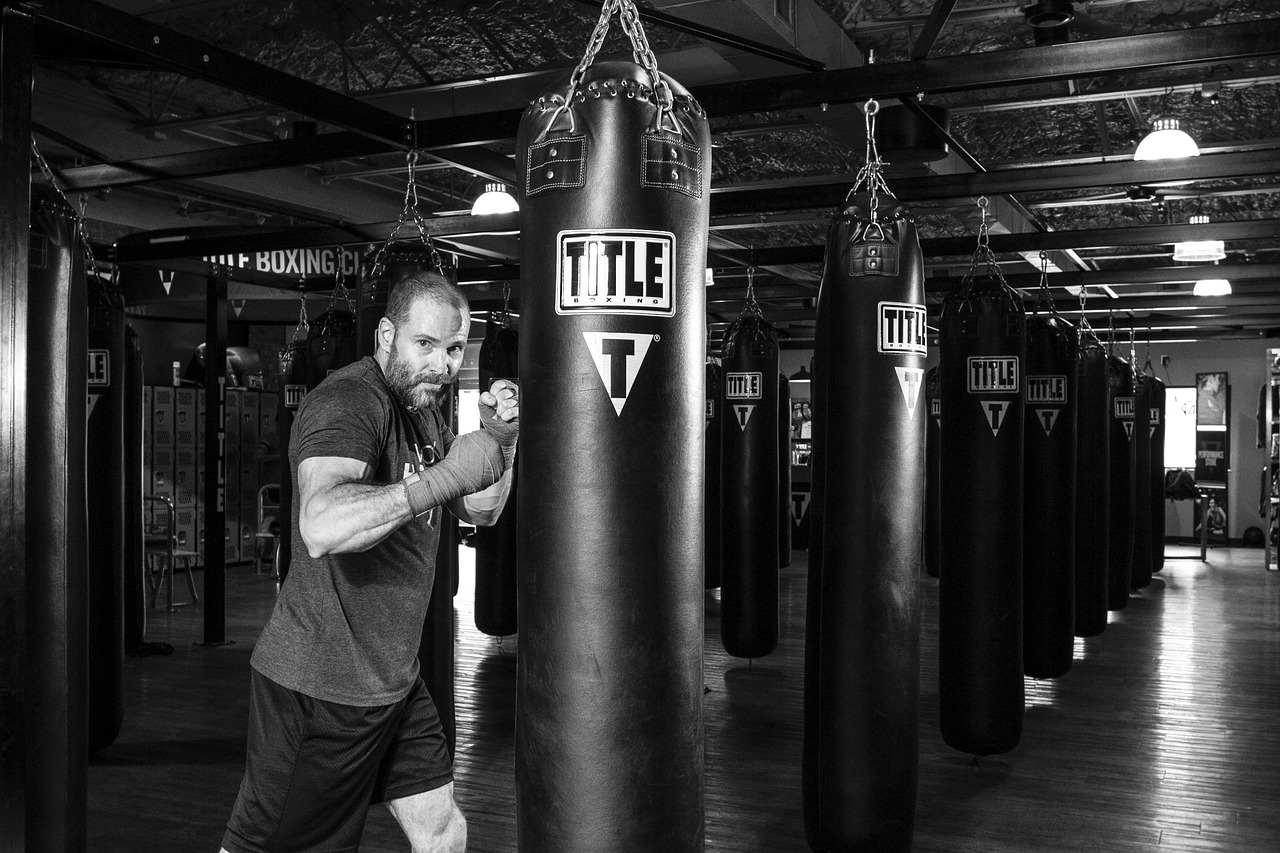
The strongest Irish gyms tend to be practical rather than glamorous. They are not built around luxury fitness branding. They are built around bags, pads, skipping ropes, sparring, roadwork, and coaches who know how to correct small mistakes. That environment has allowed Ireland to remain competitive internationally despite limited resources compared with larger sporting nations.
Ireland’s Place in the Wider Boxing World
Ireland’s place in world boxing is larger than its population. That is the simplest way to understand the country’s boxing significance. Ireland is not the biggest professional market, and it is not the deepest talent pool in absolute numbers. But it has produced Olympic champions, world champions, elite amateurs, respected professionals, and some of the most passionate boxing supporters in the sport.
The country’s international role is strongest in Olympic boxing. Irish fighters are expected to be serious tournament competitors, especially when the national program is functioning well. The LA 2028 qualification structure, outlined by Boxing Ireland as including global competitions and continental events, reflects the kind of international pathway Irish boxers must navigate to remain part of the Olympic conversation.
Professionally, Ireland’s influence is tied to mobility. Irish fighters often build careers across borders. They may train in Ireland, fight in Britain, headline in America, or draw support from Irish communities abroad. That mobility has long been part of Irish boxing’s commercial life. The fighter carries the flag, but the marketplace may be international.
Ireland also has a stylistic reputation. Irish fighters are often expected to be tough, well-supported, and emotionally connected to their crowd. That stereotype can be limiting if taken too far, because many elite Irish boxers are highly technical. Taylor, Harrington, Frampton, Lee, Conlan, and others all showed that Irish boxing cannot be reduced to courage and pressure. The best Irish fighters blend skill with competitive edge.
The sport’s future depends on protecting that blend. Ireland needs the grassroots club system to remain strong, the high-performance structure to stay credible, and the professional side to provide realistic opportunities. If any one layer weakens, the whole boxing ecosystem feels it.
The Future of Boxing in Ireland
The future of boxing in Ireland will be shaped by three questions. Can the club system remain strong? Can the high-performance program keep producing Olympic-level fighters? Can the professional scene create enough opportunity to keep Irish talent visible?
The first question is the most important. Without clubs, Irish boxing loses its foundation. The sport’s volunteer base is one of its greatest strengths, but volunteer-led systems require support, facilities, safeguarding, coaching education, and long-term commitment. Ireland’s boxing success has never been purely about elite funding. It has depended on local people keeping gyms open and young fighters engaged.
The second question is about international standards. Olympic boxing changes constantly, from qualification systems to governing structures to judging trends. Ireland cannot rely on reputation alone. It has to keep adapting technically and administratively. The country’s medal history gives it credibility, but every Olympic cycle resets the challenge.
The third question is commercial. Irish professional boxing has stars, history, and audience energy, but it needs enough regular infrastructure to support fighters between debut and title level. The more Ireland can host meaningful domestic shows, develop prospects carefully, and connect local audiences to rising fighters, the stronger its professional scene becomes.
Women’s boxing should remain one of Ireland’s biggest opportunities. Taylor and Harrington have already given the sport a legacy most countries would envy. The next step is converting inspiration into depth: more girls entering clubs, more women competing nationally, more elite prospects staying in the system, and more professionals getting serious backing.
Irish boxing is not powerful because it is large. It is powerful because it is rooted. Its best fighters come from clubs that feel close to the community, then step into rings where the stakes are national and international. That movement from local gym to world stage is the heart of boxing in Ireland. It is why the sport continues to matter, and why Ireland remains one of the most respected boxing nations of its size.