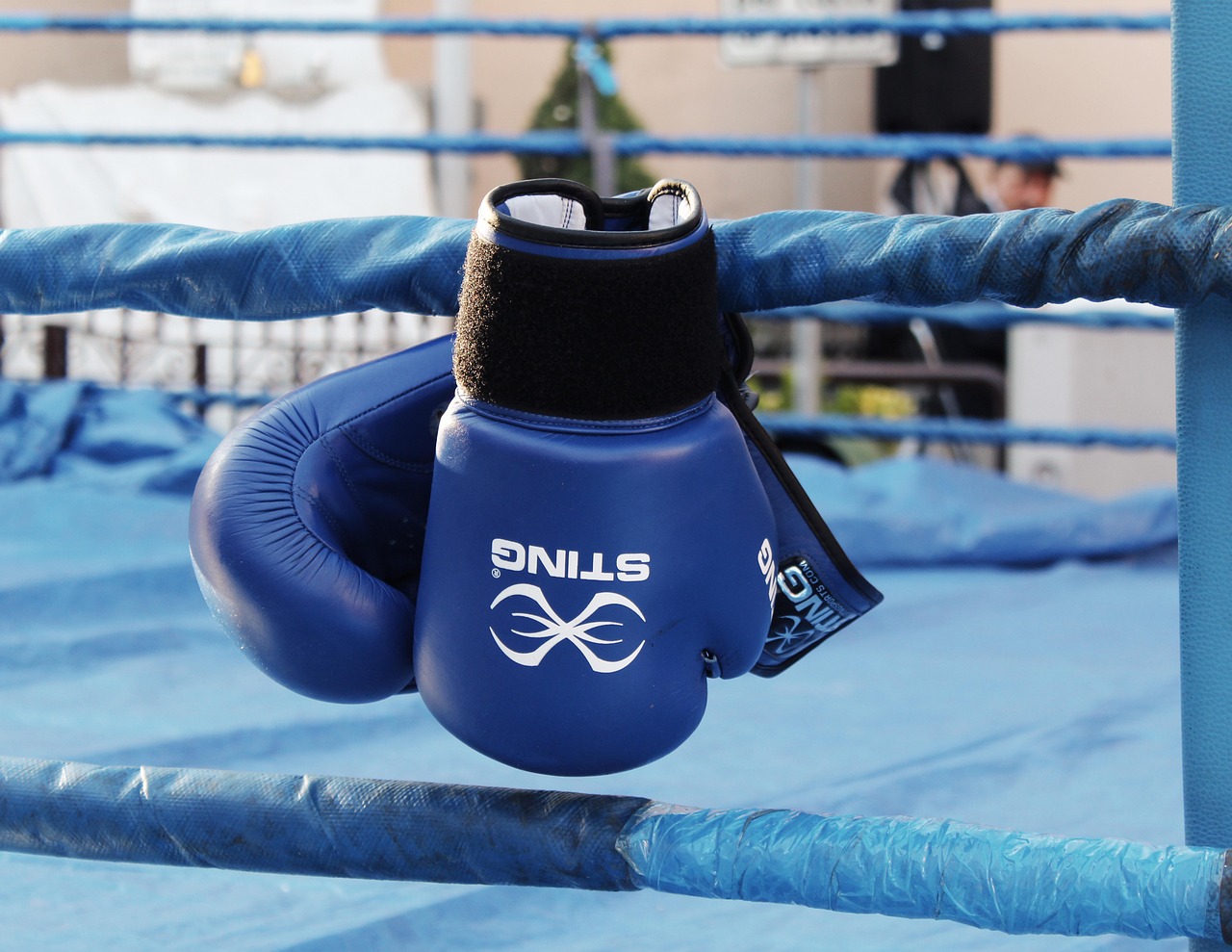
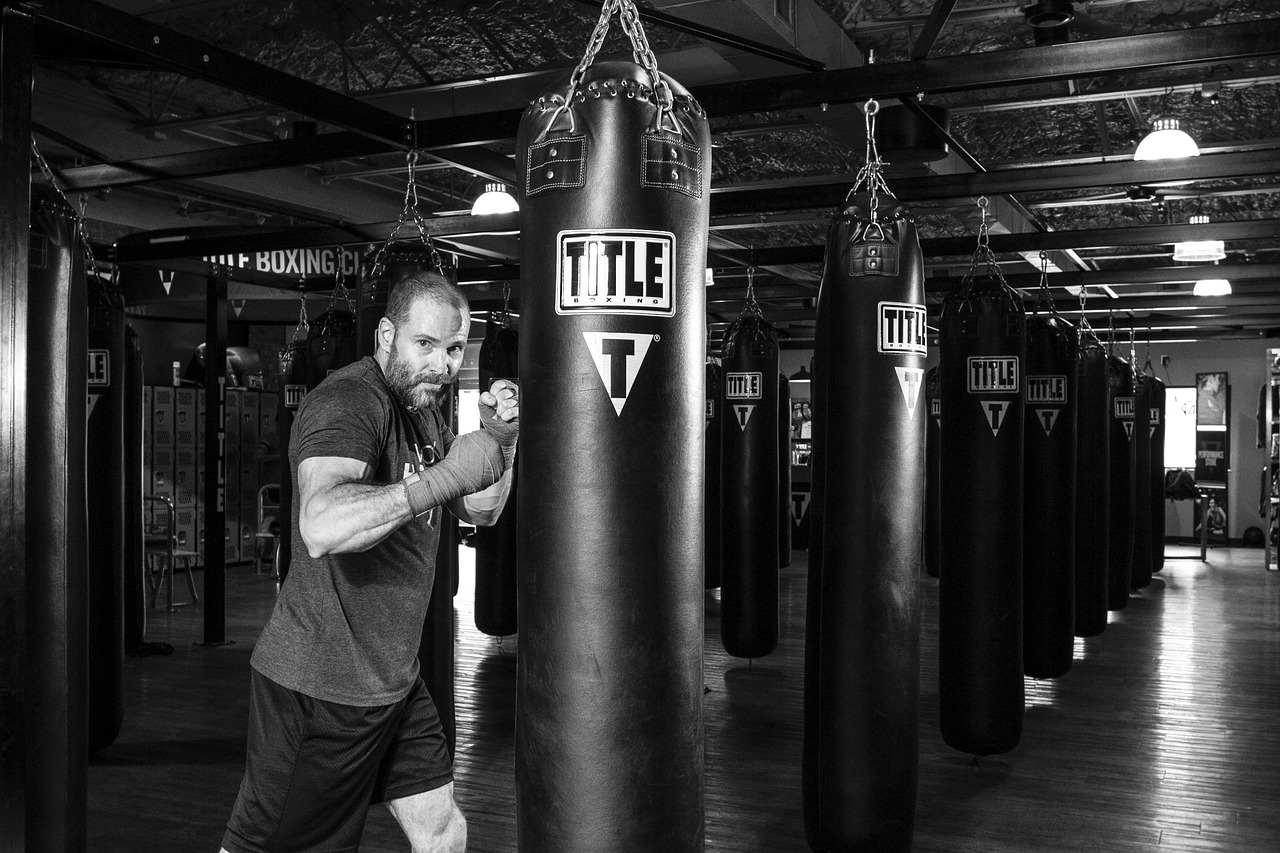
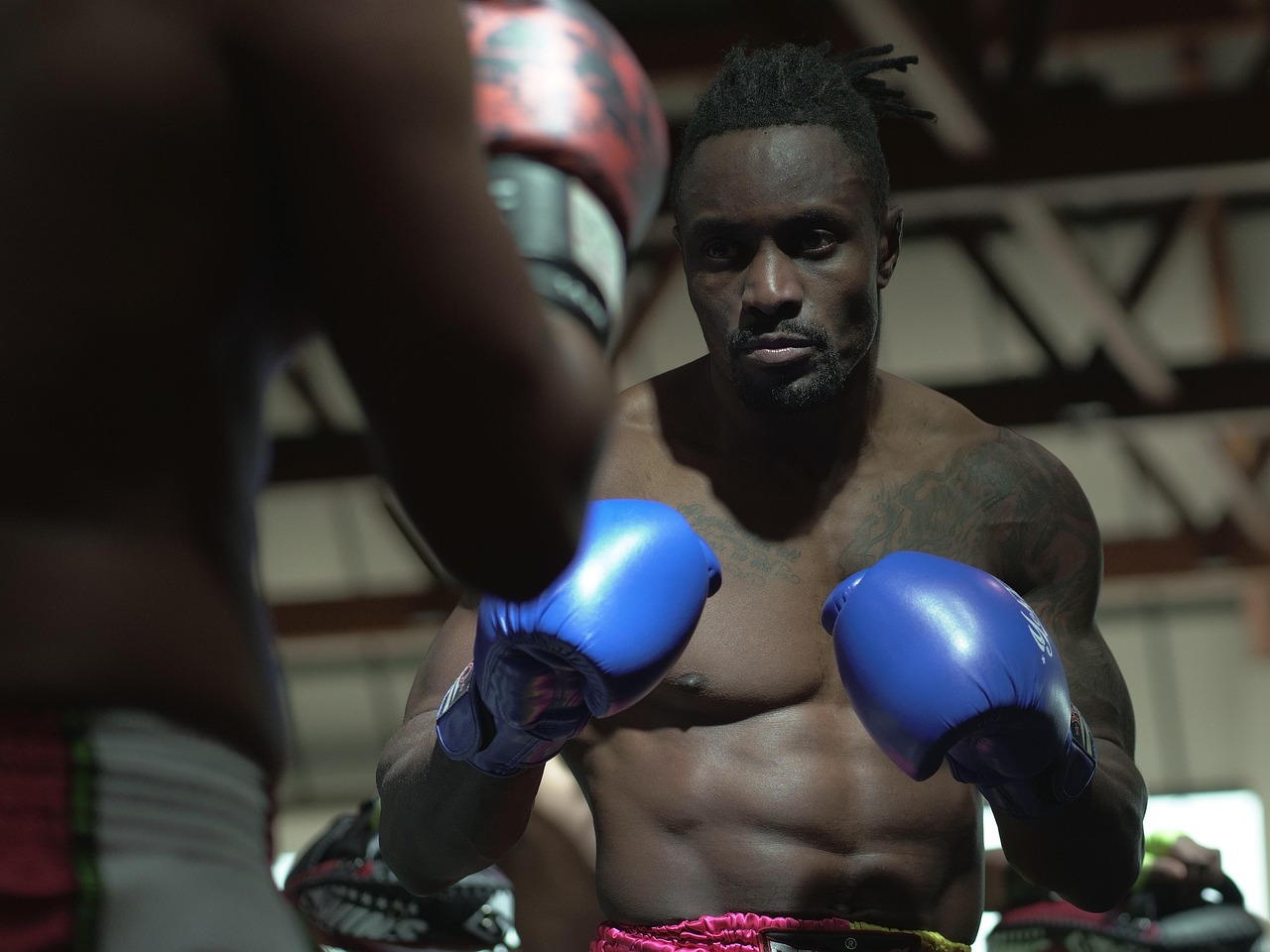
Baltimore boxing starts in the gym. More than most American cities, Baltimore’s fight identity is tied to neighborhood rooms, youth programs, hard coaching, and fighters who come from difficult local conditions into national recognition. It is not a glamour market first. It is a fighter-producing city, and its boxing reputation comes from the idea that a Baltimore boxer is shaped by discipline, pressure, and survival long before television gets involved.
The city’s deepest boxing history reaches back to Joe Gans, one of the most important fighters in American boxing history and widely recognized as the first African American world boxing champion. That legacy gives Baltimore a place in the oldest layers of the sport, but the city’s modern identity has been carried by gyms such as Mack Lewis Gym and Upton Boxing Center. Local coverage of Baltimore boxing continues to place Gans, Vincent Pettway, Hasim Rahman, and Gervonta Davis in the same broad lineage of city fighters.
Mack Lewis Gym is one of Baltimore’s major boxing institutions. Founded in 1951, it remains open to youth and adults and is described by its foundation as one of East Baltimore’s most historic boxing gyms. The gym’s walls and memory are connected to fighters such as Vincent Pettway, Hasim Rahman, and Larry Middleton, making it more than a training space. It is a boxing archive with heavy bags.
Hasim Rahman gives Baltimore its heavyweight championship chapter. Born in Baltimore, Rahman became a two-time world heavyweight champion and is best remembered globally for knocking out Lennox Lewis in 2001 to win the unified heavyweight title. That upset remains one of the defining heavyweight moments of its era, and it gave Baltimore a direct claim on the most visible division in boxing.
Gervonta “Tank” Davis gives Baltimore its modern superstar. Davis came through Upton Boxing Center under Calvin Ford, who began training him when Davis was a child. Upton is affiliated with USA Boxing, Junior Olympics, and Silver and Golden Gloves competition, which matters because Davis’s rise was not detached from Baltimore’s amateur infrastructure. He became a world-level professional star, but the foundation was a city recreation boxing environment.
The Upton story is central because it shows how Baltimore boxing functions beyond individual fame. Upton Boxing Center is a city facility with a ring, bags, training equipment, and a role in youth development. Baltimore Magazine described the gym as a place where young boxers gather in the evening to train, spar, and receive guidance from Ford and other coaches. That is the Baltimore model: boxing as structure, supervision, discipline, and competitive outlet.
Baltimore’s current boxing scene still depends on that local infrastructure. There are gyms for serious amateurs, professionals, fitness boxers, and young athletes who need a place to train. There are also professional fight nights that bring homegrown talent back into local venues, keeping the city connected to the sport even when its biggest names fight elsewhere. The scene is not always polished, but polish is not Baltimore’s boxing brand.
What makes Baltimore distinct is that its fighters often carry the city visibly. Gans, Rahman, Davis, Pettway, and the gyms behind them create a through-line of toughness, skill, and hard-earned opportunity. Baltimore boxing is not just about producing champions. It is about the rooms that produce them, and the local belief that the right gym can change the direction of a fighter’s life.