Buffalo’s MMA identity is not built around a giant year-round fight industry. It is built around Western New York toughness, compact gym communities, and a handful of fighters who proved that the region can produce elite-level talent even without the volume of a Las Vegas, South Florida, Southern California, or New Jersey scene. The city matters most as a blue-collar development market: fighters learn in small rooms, sharpen their grappling and striking in cross-training environments, and often have to travel outside the region for bigger opportunities.
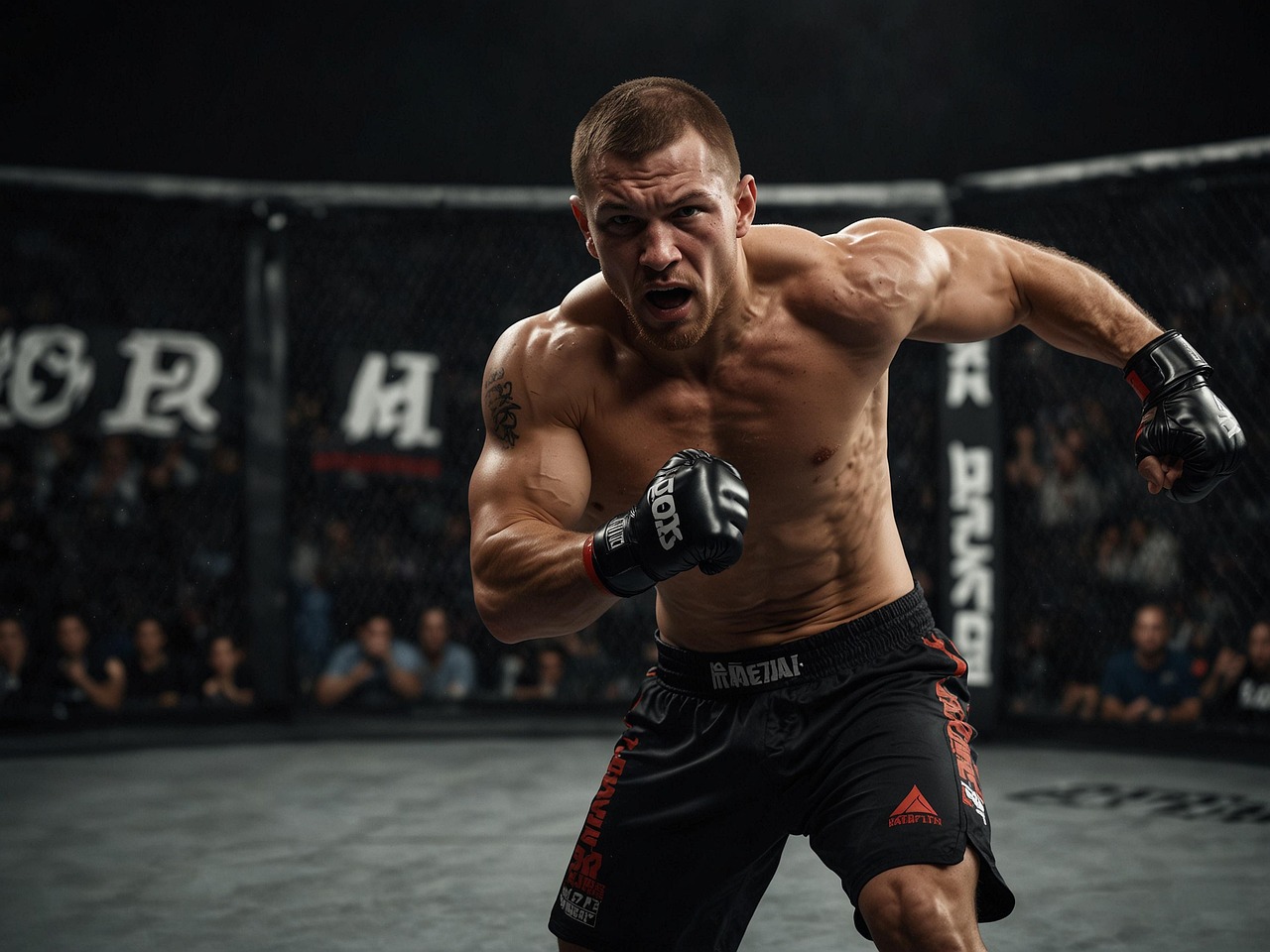
The clearest modern name tied to Buffalo’s MMA profile is Patrick “Patchy” Mix, whose Western New York roots gave the area a legitimate world-level reference point. Mix, from Angola, New York, fought out of Buffalo and rose to become Bellator bantamweight champion, giving the local scene something more substantial than a general claim of “good fighters come from here.” His career also reflects the real path for a Buffalo-area athlete: local foundation first, then larger camps, larger promotions, and national or international exposure.
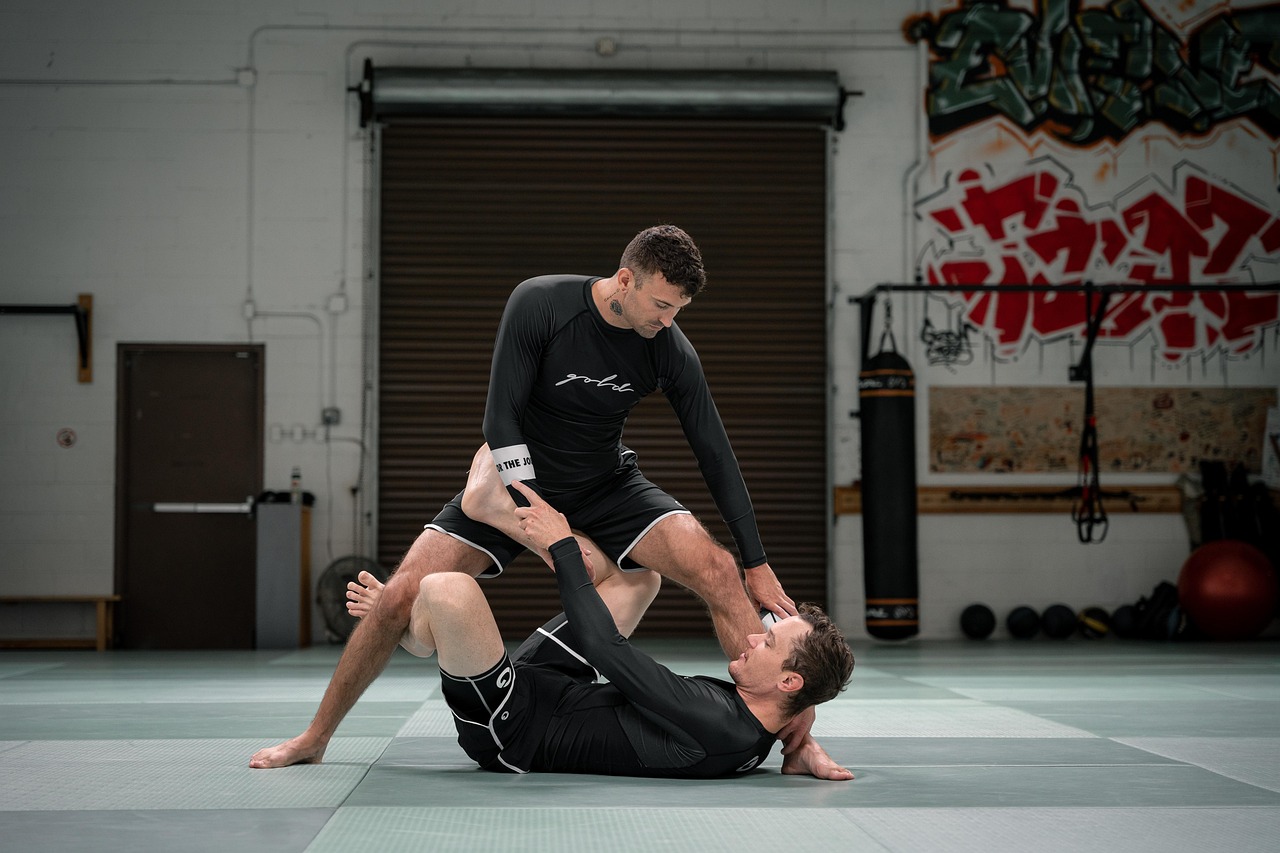
Buffalo’s combat-sports base is more practical than flashy. The city’s MMA gyms tend to organize around the necessary modern mix: Brazilian jiu-jitsu, no-gi grappling, boxing, Muay Thai, wrestling, and general fitness. WNY MMA & Fitness presents itself as a central mixed martial arts facility in the city, while Buffalo United Martial Arts lists BJJ, Muay Thai, submission wrestling, boxing, judo, and fitness classes as part of its program mix. That matters because Buffalo does not have the luxury of a massive single-discipline pipeline feeding MMA. Its fighters need gyms that can put the whole game together under one roof.
The city also has a specific place in UFC history. Buffalo hosted UFC 7 in 1995, early enough that the sport still looked very different from modern regulated MMA. More than two decades later, UFC 210 brought the promotion back to KeyBank Center on April 8, 2017, after New York had lifted its long-standing professional MMA ban. That event, headlined by Daniel Cormier against Anthony Johnson, gave Buffalo one of its biggest modern MMA nights and connected the city’s early UFC history to the regulated era.
For local fans, that combination creates a particular Buffalo MMA profile. The city is not overloaded with major fight cards every month, but it has enough history, enough gym activity, and enough high-level athlete association to avoid being a blank spot on the map. The Western New York scene is closer to a proving ground than a destination market. Fighters who make it out of Buffalo usually do so because they develop durability early, find the right coaches, and then connect to broader circuits.
The future of MMA in Buffalo depends less on massive event volume and more on whether local gyms can keep producing serious amateurs and whether Western New York fighters continue finding pathways into national promotions. Mix’s rise gives the area a real example to point to. UFC 210 showed that Buffalo can support a major MMA event when the right card arrives. The everyday scene, though, is still built in the training rooms: grappling rounds, striking classes, wrestling-heavy scrambles, and fighters willing to travel for the next level.