Tokyo is one of the world’s great boxing cities because it understands boxing as both sport and system. The city is not simply a backdrop for occasional title fights. It is a working boxing machine made of gyms, small-hall shows, national rankings, world-title nights, media attention, and a deeply organized professional structure. Tokyo’s boxing identity begins in the venue and continues in the gym.
Korakuen Hall is the center of that identity. Opened in 1962 and located inside Tokyo Dome City, Korakuen Hall has long been one of Japan’s most important fight venues. It hosted boxing during the 1964 Tokyo Olympics and remains closely associated with boxing, wrestling, and combat sports. The hall’s scale is part of its power. It is not a giant stadium. It is a concentrated fight room where prospects, contenders, champions, and hardcore fans share the same boxing atmosphere.
Tokyo’s relationship with world championship boxing predates the modern Japanese boxing boom. In 1952, Yoshio Shirai defeated Dado Marino at Korakuen Stadium to become Japan’s first world champion, a moment Tokyo Dome City’s historical archive describes as drawing 40,000 spectators and launching a new era for Japanese professional boxing. That moment helped place Tokyo at the center of Japan’s boxing imagination.
The city’s gym structure is just as important as its venues. Tokyo is home to major boxing institutions, including Teiken Boxing Gym in Shinjuku’s Kagurazaka neighborhood, a historic club dating back to 1926. Japanese boxing depends heavily on gyms as management, training, matchmaking, and identity centers. In Tokyo, a fighter’s gym is not just a place to hit bags. It is often the organization that shapes career direction.
That system has helped Tokyo become a city of frequent professional activity. Korakuen Hall’s own event calendar regularly lists professional boxing alongside other combat-sports events, showing how normalized fight nights are within the city’s sports rhythm. Tokyo fans can follow fighters from early-career bouts to domestic titles, regional belts, and world-level opportunities without needing every card to be a global pay-per-view spectacle.
The city has also been central to Japan’s lighter-weight excellence. Japanese boxing has historically been strongest in lower and middle weight classes, where speed, technique, conditioning, and disciplined matchmaking can carry fighters to world level. Tokyo’s gyms and venues give those fighters a ladder: debut, four-rounders, domestic tests, Japanese titles, OPBF or regional opportunities, and eventually world championship nights.
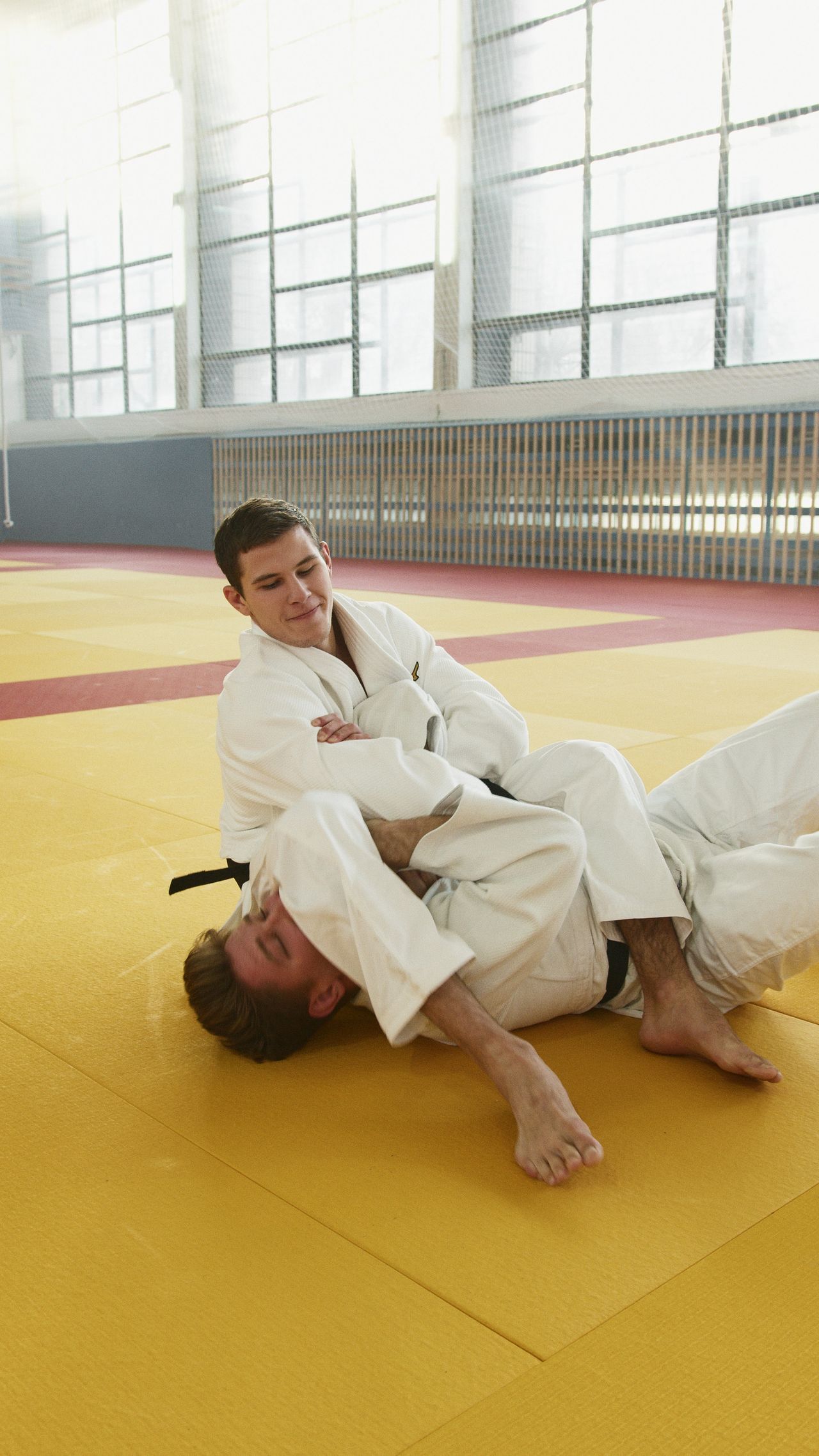
Tokyo is also a city where boxing lives beside other combat sports without losing its own identity. Kickboxing, MMA, professional wrestling, judo, karate, and sumo all have major places in Japanese sports culture. Boxing survives in that crowded environment because it has a clear institutional base. The gym system, licensing structure, venue calendar, and long world-title history give boxing a stable position.
The future of boxing in Tokyo looks less like reinvention than continuation under brighter lights. Japan’s current global boxing reputation has made Tokyo an even more important stage for international audiences, but the city’s real strength remains local and structural. Tokyo can host major championship events, but it can also fill Korakuen Hall for fighters still climbing. That combination makes the city one of boxing’s most complete ecosystems: historic, technical, disciplined, and constantly active.