Miami boxing is bigger, wider, and more international than the city’s beach image suggests. It is a boxing market shaped by immigration, Latin American fight culture, Caribbean pride, old gyms, Spanish-language media, regional promotions, and the constant movement of fighters between the United States and the rest of the Americas. Miami is not only a place where boxing happens. It is a gateway city for boxing cultures that arrive from Cuba, Puerto Rico, the Dominican Republic, Haiti, Colombia, Venezuela, Nicaragua, Mexico, and beyond.
That makes Miami different from older American boxing cities built mainly around one ethnic neighborhood or one industrial identity. Miami’s boxing scene is layered. Cuban boxing gives the city a technical and amateur tradition. Puerto Rican and Mexican fight culture bring championship expectations and rivalry energy. Dominican and Haitian fighters add Caribbean depth. South American communities expand the fan base and the training pool. The result is a city where boxing is rarely only local. It usually points somewhere else too.
The Cuban influence is especially important. Cuba’s reputation as one of the greatest amateur boxing nations in the world has shaped Miami’s fight culture through migration and exile. Cuban fighters, trainers, and fans brought a high regard for technique, footwork, defense, and amateur pedigree. In Miami, that technical tradition meets the professional demands of the American boxing market. The city has often been a landing place for fighters trying to convert amateur excellence into paid professional careers.
Famous boxers connected to Miami and South Florida include both homegrown figures and fighters who used the city as a training or professional base. The area’s most famous boxing history reaches into Miami Beach through the Dundee family, 5th Street Gym, and Muhammad Ali’s early championship rise. But Miami’s broader boxing story also belongs to Cuban professionals, Latin American contenders, local amateurs, trainers, promoters, and club fighters who built the sport outside the postcard version of the city.
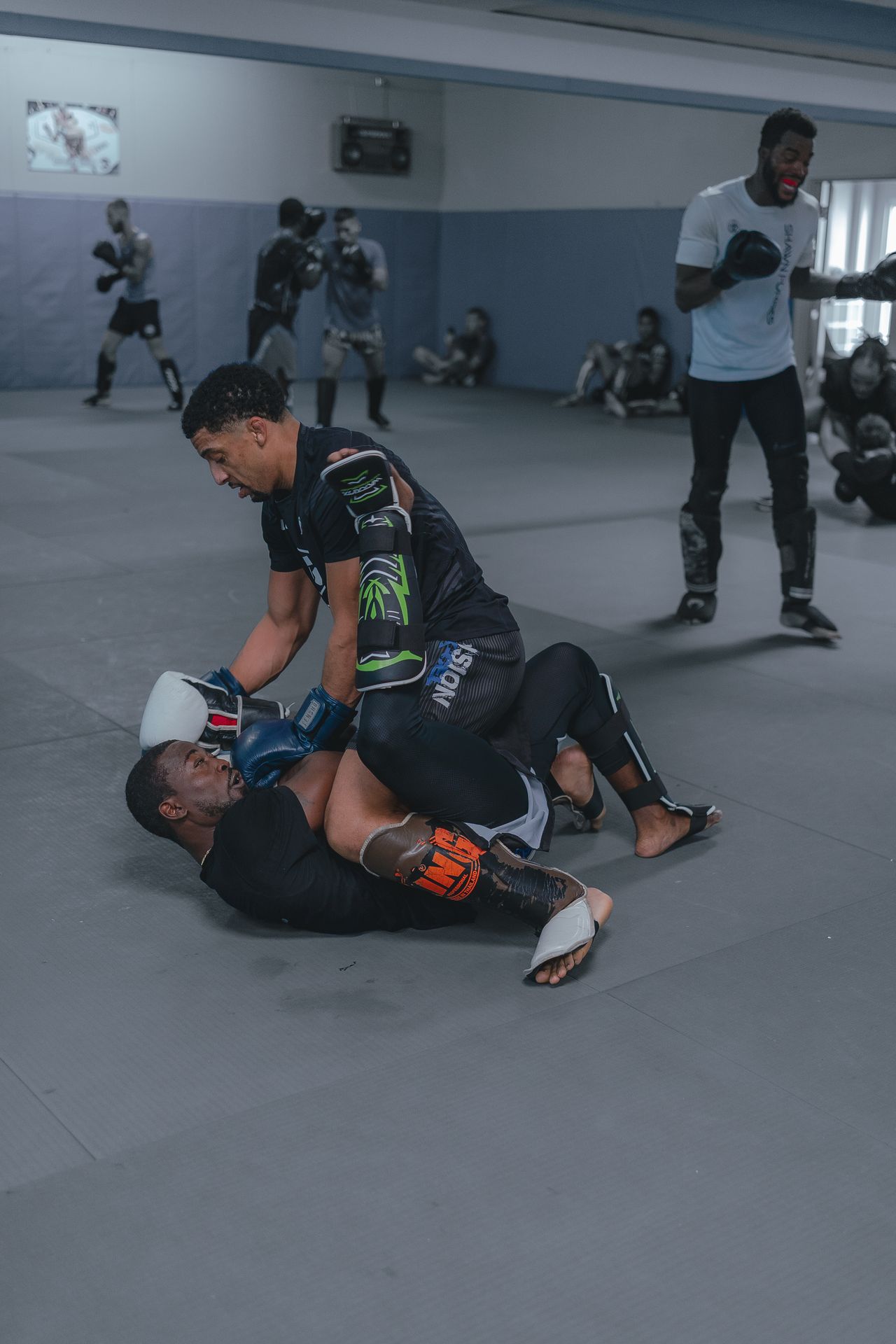
Boxing gyms in Miami tend to reflect the city’s diversity. Some are serious competitive gyms built around amateurs and professionals. Others serve recreational boxers, fitness clients, children, and adults who want discipline without necessarily entering the ring. The best Miami boxing environments usually have a multilingual feel, with coaches and fighters moving easily between English and Spanish. That matters because Miami boxing is not just an American scene with international flavor. It is an international scene operating inside an American city.
The professional boxing market in Miami has had periods of high visibility and quieter stretches, but the city remains attractive for fight events. It has venues, hotels, media access, wealthy spectators, Latin American audiences, and a strong combat-sports fan base. When promoters stage fights in Miami, they are often selling more than a local card. They are selling access to a hemispheric audience. A Cuban prospect, a Puerto Rican contender, a Mexican veteran, or a Venezuelan title hopeful can all make sense on a Miami bill.
Amateur boxing remains essential to the city’s long-term fight identity. Youth programs, local tournaments, and club shows give young fighters structure in a city where talent can otherwise scatter into other sports or other pressures. For many Miami boxers, the gym is not just a training space. It is a place where national identity, discipline, language, and ambition meet.
Miami’s boxing future should continue to be international. The city is too connected to Latin America and the Caribbean to become a narrow local boxing market. Its strength is its role as a bridge: amateur to professional, island to mainland, Spanish-speaking fan base to American promotion, local gym to international opportunity. Miami boxing is not defined by one style. It is defined by the constant collision of styles.