Boxing in New Hampshire is a small-state boxing story. It does not have the deep professional lineage of New Jersey, the event machinery of Nevada, or the champion mythology of New Mexico. Its identity is more regional and developmental: local gyms, New England amateur tournaments, cross-state competition, and fighters who often need to travel outside the state to find bigger opportunities.
That does not make New Hampshire irrelevant to boxing. It makes the state part of a broader New England boxing ecosystem. Amateur fighters from New Hampshire often measure themselves through regional structures rather than a self-contained state circuit. The New England Golden Gloves, one of the key amateur pathways in the region, traces its modern charitable and tournament identity through Lowell Sun Charities and is tied to the broader New England boxing tradition.
For New Hampshire boxers, that regional pathway matters. A fighter can train in Manchester, Nashua, Concord, or another local community, but serious amateur progression often points toward tournaments involving Maine, Vermont, Massachusetts, and the rest of New England. The Northern New England Golden Gloves specifically brings together talent from Maine, New Hampshire, and Vermont, with winners advancing toward the All New England Tournament of Champions in Lowell.
The state’s boxing culture is strongest when understood through gyms and participation rather than celebrity. Manchester has long been the natural center because of its size, urban history, immigrant communities, and position as New Hampshire’s largest city. Nashua and the southern tier also have access to the larger Boston and Lowell boxing orbit, which gives New Hampshire fighters a practical route into deeper competition without needing the state itself to host a dense professional schedule.
New Hampshire’s notable boxing figures are often regional names, trainers, amateurs, and local professionals rather than nationally famous champions. One Manchester boxing figure often remembered in local sports history is Jan Zacharko, also known as John Harko, a featherweight who fought from the 1920s into the 1930s and later worked as a trainer and referee. Figures like that help explain the state’s boxing identity: not a constant stream of world champions, but a durable local ring culture kept alive by gyms, veterans, coaches, and community tournaments.
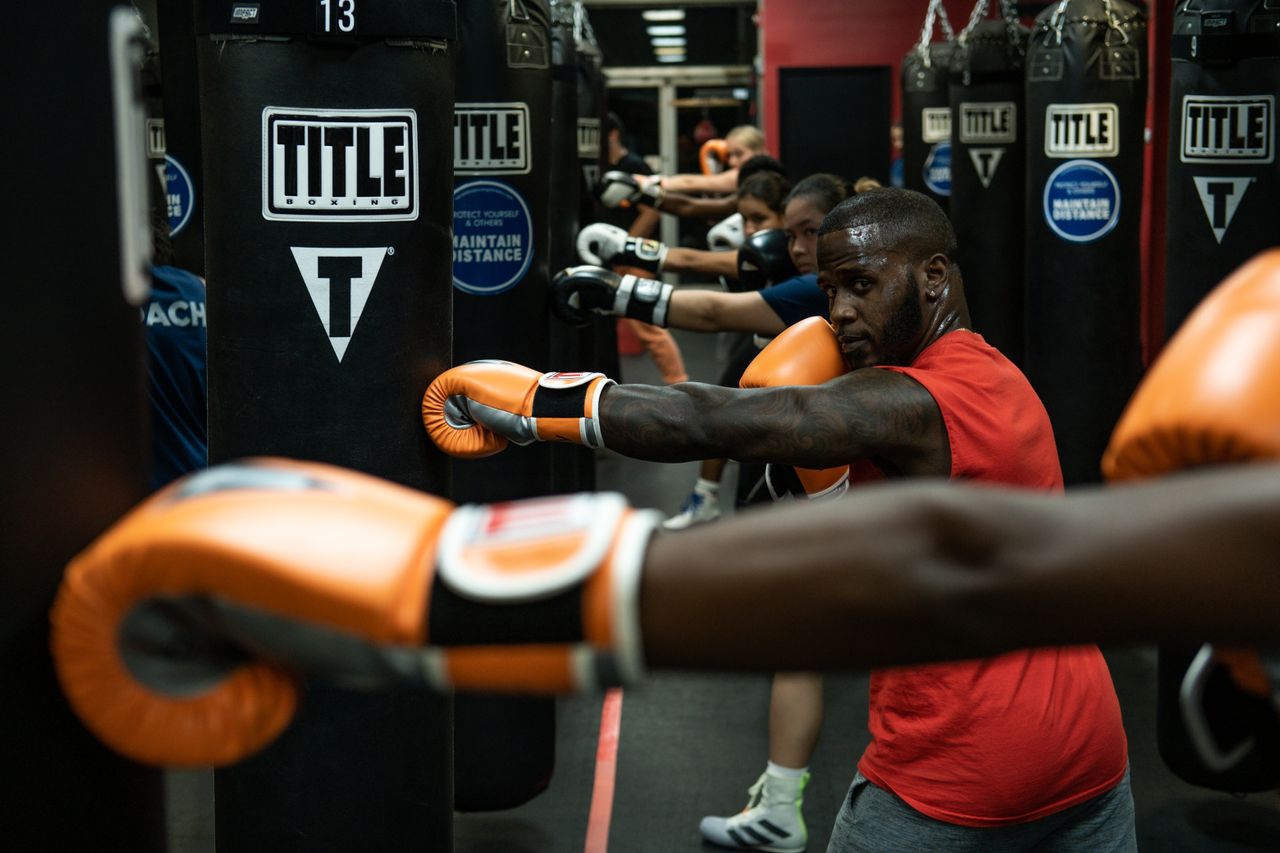
The gym scene in New Hampshire reflects modern boxing’s split personality. There are serious amateur programs where fighters learn footwork, defense, bag work, sparring discipline, and tournament preparation. There are also fitness boxing clubs serving adults who may never compete but still keep boxing visible as a training method. USA Boxing’s national club infrastructure matters here because small states rely on recognized gyms and sanctioned competition to connect local athletes with the larger amateur system.
Professional boxing in New Hampshire is more occasional than defining. The state can host shows, charity events, and regional cards, but fighters usually need to move through New England competition or travel to larger fight markets to build a serious professional profile. That reality shapes the fighter’s mindset. A New Hampshire boxer has to become comfortable being a regional traveler, taking opportunities in Massachusetts, Rhode Island, Connecticut, Maine, and sometimes farther south.
Women’s boxing and youth boxing give the state room to grow. In smaller boxing markets, a single strong coach, active club, or successful amateur can change the local perception of the sport. New Hampshire’s future in boxing is unlikely to be measured by whether it becomes a fight capital. It will be measured by whether clubs can keep young athletes involved, connect them to New England tournaments, and build enough competitive structure that serious fighters do not have to leave too early.
New Hampshire boxing is quiet, but it is not empty. Its identity is regional, practical, and gym-centered. The state belongs to the New England boxing map, and its best fighters are usually formed by the tension between local loyalty and the need to test themselves beyond state lines.