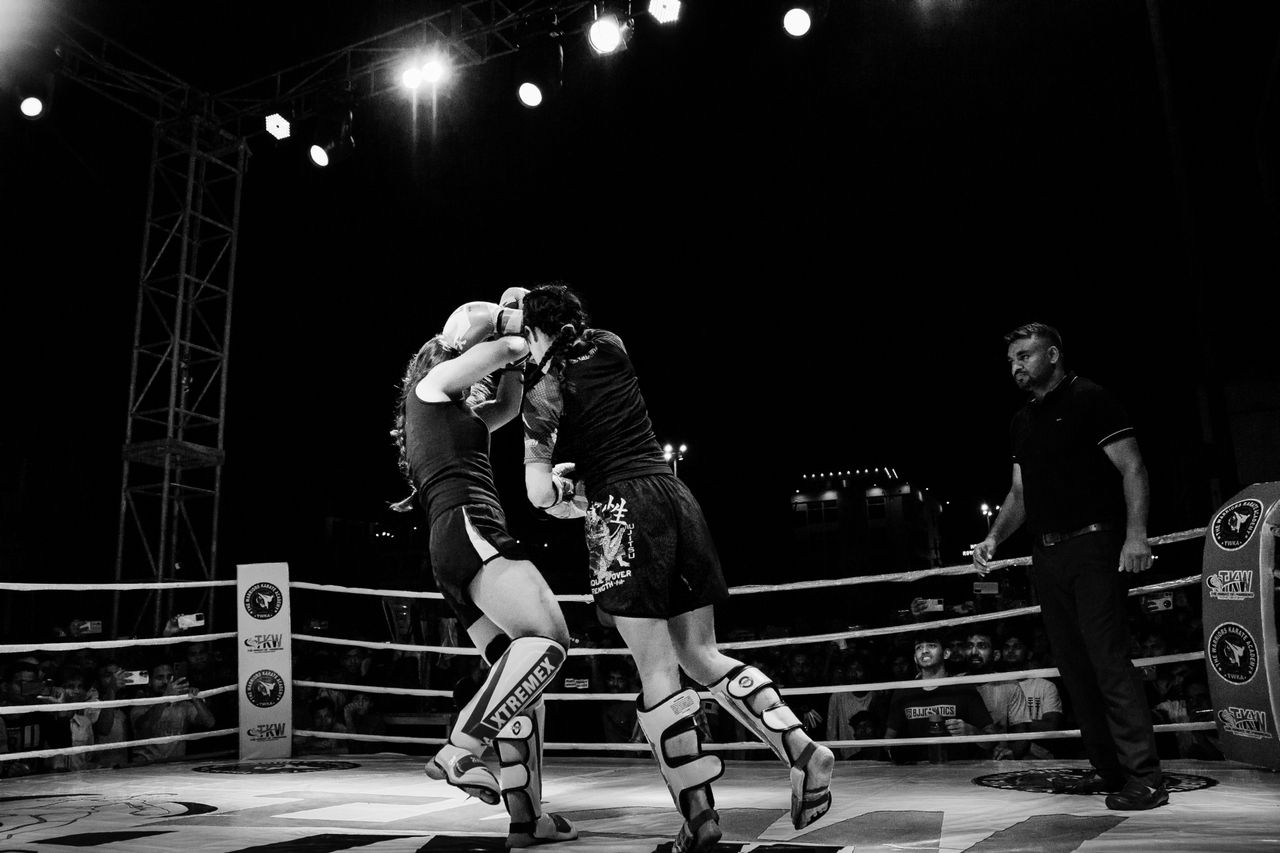
Hagler vs Hearns matters because it compressed everything great about elite boxing into one unforgettable fight. Marvin Hagler entered as the established middleweight champion, a disciplined pressure fighter who had waited years for proper recognition. Thomas Hearns arrived as the dangerous challenger, a long, explosive puncher whose right hand could change a fight instantly. Their 1985 meeting was not remembered because it lasted long. It became legendary because it burned so intensely from the opening bell that time almost stopped mattering. In less than three rounds, Hagler and Hearns produced a fight that showed how skill, courage, violence, and tactical urgency could turn a championship bout into permanent boxing history.
The Middleweight Stage Was Ready for a Defining Fight
By 1985, Marvin Hagler had already built one of the strongest middleweight résumés in boxing. He was experienced, durable, technically sharp, and physically relentless. He had also spent much of his career fighting for respect in a sport that did not always reward quiet consistency. Hagler was not built around charm or spectacle. He was built around pressure, discipline, conditioning, and the belief that a champion should answer every demand placed in front of him.
Thomas Hearns came from a different kind of danger. He had already become a star at welterweight and junior middleweight, known for his height, reach, speed, and devastating right hand. Hearns could box from distance, but he could also end fights suddenly. His knockout of Roberto Durán in 1984 had made that clear. Against Hagler, he was moving into the middleweight championship picture with the kind of power that made even an established champion’s certainty feel less secure.
That contrast made the matchup so compelling. Hagler represented command, experience, and middleweight authority. Hearns represented reach, speed, and explosive threat. The fight was not simply champion versus challenger. It was a collision between two different forms of greatness, each dangerous enough to believe the other man could not control the fight for long.
Hagler vs Hearns and the Round That Changed Everything
The first round of Hagler vs Hearns remains one of the most famous rounds in boxing history because neither fighter used it as a feeling-out period. Hearns landed hard early, including a right hand that immediately showed why his power was so feared. Hagler did not retreat from it. He pushed forward, forcing Hearns into exchanges and turning the opening minutes into a test of who could impose his fight first.
That urgency shaped the entire bout. Hearns needed distance and room to use his reach. Hagler needed pressure, closeness, and a pace that would make Hearns fight every second. Instead of a slow tactical negotiation, the fight became an immediate argument over space. Hagler drove inside. Hearns fired back. Both men landed. Both men absorbed punishment. The champion was cut, the challenger was under pressure, and the fight took on the feeling of something that could not possibly continue at that speed.
The second round showed the cost of that opening pace. Hearns’ legs were no longer as reliable, and Hagler kept reducing the distance. What made Hagler so effective was not recklessness. It was controlled pressure. He understood that Hearns was most dangerous when he could punch at full extension. Hagler kept making the ring smaller, forcing Hearns to fight under pressure and limiting the time he had to reset.
By the third round, Hagler’s cut had become a serious issue. The possibility of a stoppage because of the cut added urgency to everything he did. He attacked with even greater purpose, closing on Hearns and landing the punches that ended the fight. Hearns went down, rose unsteadily, and the referee stopped it. The official result was a third-round knockout for Hagler. The lasting result was something larger: a fight that seemed to contain an entire championship epic in only a few minutes.
Why Eight Minutes Still Carry So Much Weight
The legacy of Hagler vs Hearns comes from its rare combination of brevity and completeness. Many great fights build slowly. This one began at its peak. It had a dramatic first round, visible damage, tactical adjustment, urgency from a cut, a dangerous challenger, a champion under threat, and a decisive ending. It gave boxing fans everything they ask from a great fight without needing twelve or fifteen rounds to do it.
It also strengthened both legacies. Hagler’s win reinforced his place as one of the great middleweight champions. He did not outpoint Hearns safely or wait for the fight to settle. He walked through danger and forced the challenger into the kind of fight that favored his strengths. Hearns lost, but his reputation was not diminished in the way some losses can damage a fighter. His willingness to meet Hagler in the center of the ring helped make the fight what it became.
That is why Hagler vs Hearns is still discussed with unusual reverence. It is not remembered only as a knockout or a title defense. It is remembered as a standard for intensity. The fight showed that greatness in boxing is not always measured by length, statistics, or tactical complexity. Sometimes it is measured by how quickly two elite fighters can reveal everything about themselves under pressure.
Hagler vs Hearns remains one of boxing’s clearest examples of a fight becoming larger than its runtime. In three rounds, Marvin Hagler and Thomas Hearns created a championship moment that still defines middleweight history. Its power comes from the contrast between how short it was and how complete it felt.