Dubai boxing is a modern fight-market story, not an old boxing-town story. The city does not have the century-old gym mythology of New York, Philadelphia, London, Detroit, or Mexico City. Its boxing identity has developed through international events, expatriate gyms, luxury sports infrastructure, white-collar boxing, regional promotion, and the United Arab Emirates’ broader effort to become a global sports and entertainment destination. Dubai’s boxing scene is built less on inherited tradition and more on connectivity.
That makes Dubai unusual. In older boxing countries, the sport often grows upward from neighborhoods, factories, military clubs, schools, or working-class gyms. In Dubai, boxing has often grown through the private sector, international residents, hotel venues, fitness clubs, professional events, and regional sports-business ambition. The city’s boxing culture is cosmopolitan. Trainers, fighters, promoters, fans, and recreational participants often come from different countries, bringing British, Filipino, Indian, Arab, African, European, and post-Soviet boxing influences into the same market.
Professional boxing in Dubai has grown because the city can offer what modern boxing often wants: venues, sponsorship potential, international travel access, media appeal, and a luxury backdrop. Dubai is not yet a permanent global capital of boxing in the way Las Vegas has been, but it has become part of the sport’s international event map. The wider UAE has hosted major combat-sports events, and Dubai has positioned itself as a place where boxing can be staged for regional and global audiences rather than only local fans.
The UAE also has a meaningful symbolic figure in Eisa Al Dah, widely recognized as the country’s first professional boxer. His importance is not only his record or individual career. He represents the early local bridge between the UAE and professional boxing, a sport that was long imported through expatriate communities and international events more than produced through a deep domestic tradition. For Dubai boxing, figures like Al Dah matter because they help localize a sport that can otherwise feel like something passing through the city.
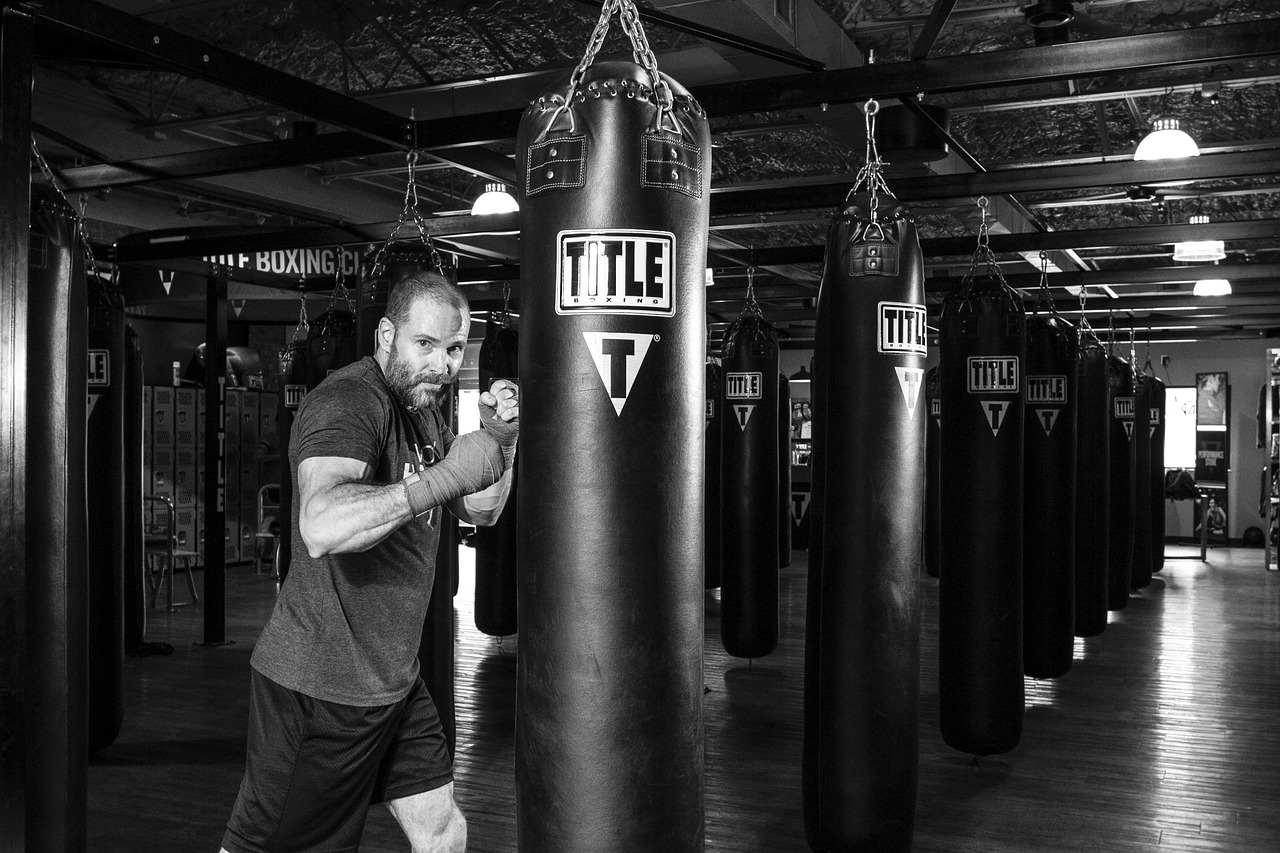
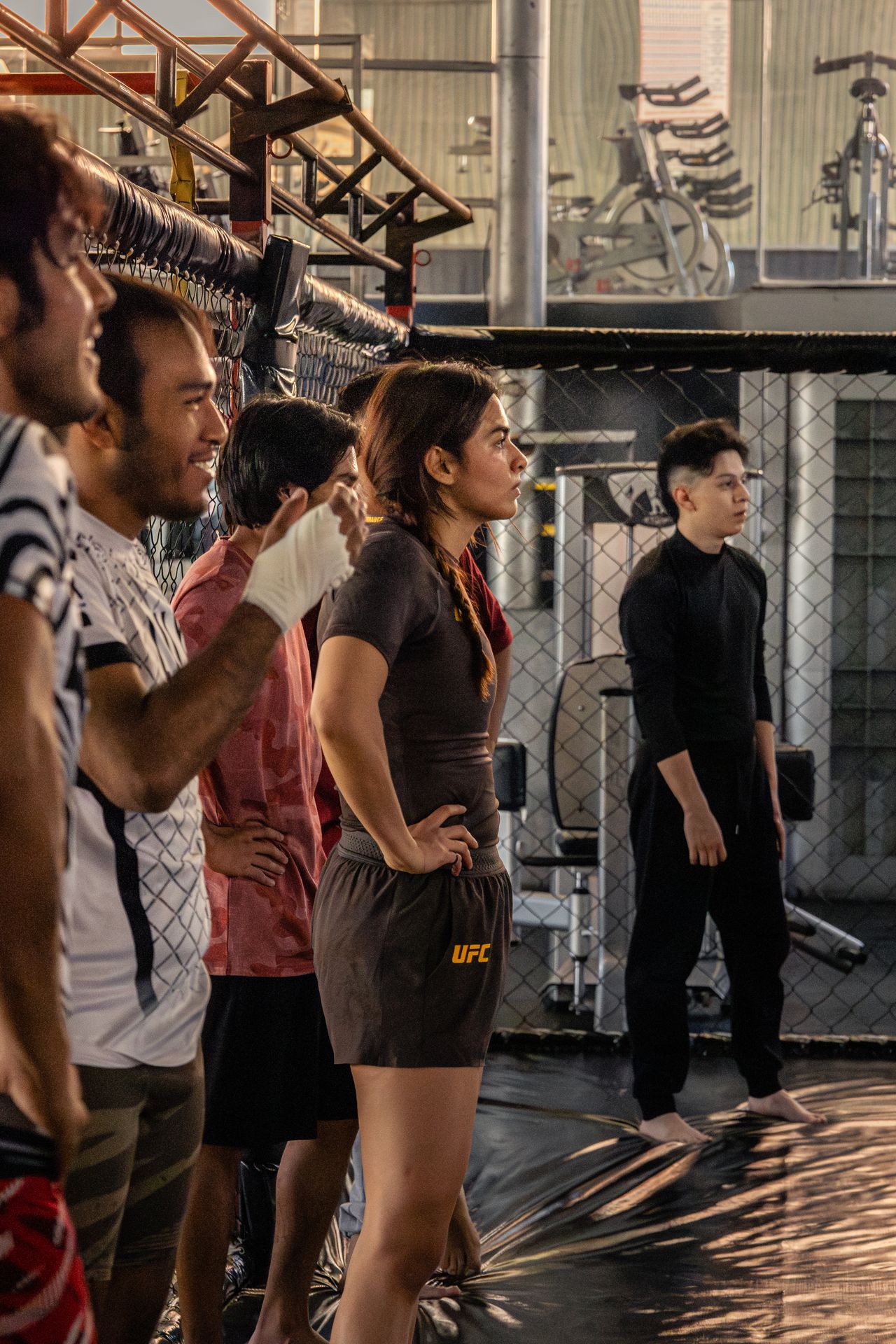
Dubai’s training culture is one of its strongest boxing assets. The city has boxing gyms, combat-sports academies, personal training facilities, white-collar boxing programs, and fitness clubs that use boxing as a premium conditioning product. That broad market keeps gloves, bags, and coaching visible across the city. However, it also creates a distinction that matters: not every boxing gym is a fighter-development gym. Dubai has a large recreational boxing audience, but the deeper question is how much of that participation converts into amateur boxing, professional prospects, and a sustainable local fight scene.
The city’s expatriate makeup helps. Filipino boxing culture, British white-collar boxing culture, South Asian participation, Arab regional interest, African fighters, and European coaches all contribute to Dubai’s boxing environment. This gives the city a range of styles and audiences that many newer boxing markets lack. A boxing event in Dubai can draw from multiple communities at once, and a local gym can feel international in a way that reflects the city itself.
Dubai’s relationship with professional boxing has also been shaped by scrutiny around boxing business figures who used the city as a base. That does not define all of Dubai boxing, but it is part of the modern history of the sport’s global business. Boxing has always attracted money, mobility, promoters, managers, and opaque power structures, and Dubai’s role as an international hub has made it part of those conversations. For the city’s boxing future, the most important issue is whether the market continues to professionalize through transparent regulation, credible events, and legitimate fighter development.
Dubai’s event ambitions remain significant. The city and the wider UAE continue to attract international combat-sports attention, and major amateur and professional boxing events in the region show how the Gulf is becoming more important to boxing’s global calendar. The announcement of major elite boxing competition in Dubai, including the 2025 IBA Men’s Elite World Boxing Championships, reflects how the city is being positioned as a host for high-profile boxing properties.
Dubai boxing is still young compared with the world’s great fight cities, but it is no longer peripheral. Its identity is international, commercial, fast-moving, and facility-driven. The city’s next step is depth. Hosting events and filling gyms are important, but lasting boxing cultures are built by fighters, coaches, amateur systems, local rivalries, and repeated nights where the sport belongs to the people in the room, not just the brand on the poster. If Dubai can connect its global sports ambition with real fighter development, it can become more than a destination for boxing. It can become one of the sport’s serious modern hubs.