Boxing in Hawaii has a distinct island identity shaped by immigration, military life, plantation history, local gyms, Pacific connections, and a deep respect for combat sports. The state’s boxing culture is not built around constant major professional events. It is built around community, toughness, family support, and the reality of developing fighters from an isolated but athletically rich place. Hawaii boxing has always had to look both inward and outward: inward to local gyms and island pride, outward to the mainland, Asia, and the broader Pacific fight world.
Hawaii’s boxing roots are tied to the islands’ diverse population. Filipino, Japanese, Native Hawaiian, Portuguese, Puerto Rican, Korean, and other communities helped shape local sports culture, and boxing fit naturally into that environment. The sport offered a direct form of competition that did not require expensive facilities or large teams. It could live in small gyms, military spaces, community centers, and local shows. For working families and young athletes, boxing was both a sport and a test of discipline.
The islands have produced fighters who carried Hawaii’s name into wider boxing circles. Bobo Olson, born in Honolulu, became one of Hawaii’s most significant boxing figures and held the world middleweight championship in the 1950s. Jesus Salud, born in the Philippines and strongly associated with Hawaii, became a world champion and an important name in the state’s boxing story. Brian Viloria, from Waipahu, gave modern Hawaii boxing a world-class lighter-weight star. An Olympian and multiple-time professional world champion, Viloria connected Hawaii to the elite levels of flyweight and junior flyweight boxing and remains one of the most recognizable fighters tied to the islands.
Hawaii’s boxing identity is also connected to the Pacific. The state is geographically American, but culturally and athletically it often looks across the ocean as much as toward the mainland. Fighters and coaches in Hawaii can be influenced by Filipino boxing, Japanese boxing, Polynesian athletic culture, and American amateur systems all at once. That mix gives Hawaii boxing a different texture from mainland boxing scenes. The style is not one thing. It is a blend of pressure, toughness, technical instruction, and cross-cultural fight knowledge.
The military presence in Hawaii has also helped sustain boxing. Service members have historically brought boxing experience to the islands, trained in local gyms, and participated in competitive environments. Military boxing, police programs, and community gyms have all contributed to the sport’s survival in a place where travel costs can make frequent mainland competition difficult.
That travel challenge is one of Hawaii boxing’s defining realities. A promising fighter can dominate locally and still need mainland exposure to advance. Regional tournaments, national amateur events, and professional opportunities often require flights, fundraising, and family commitment. This makes the local boxing community especially important. A fighter’s development may depend not only on talent, but on whether coaches, relatives, sponsors, and gyms can help create opportunities beyond the islands.
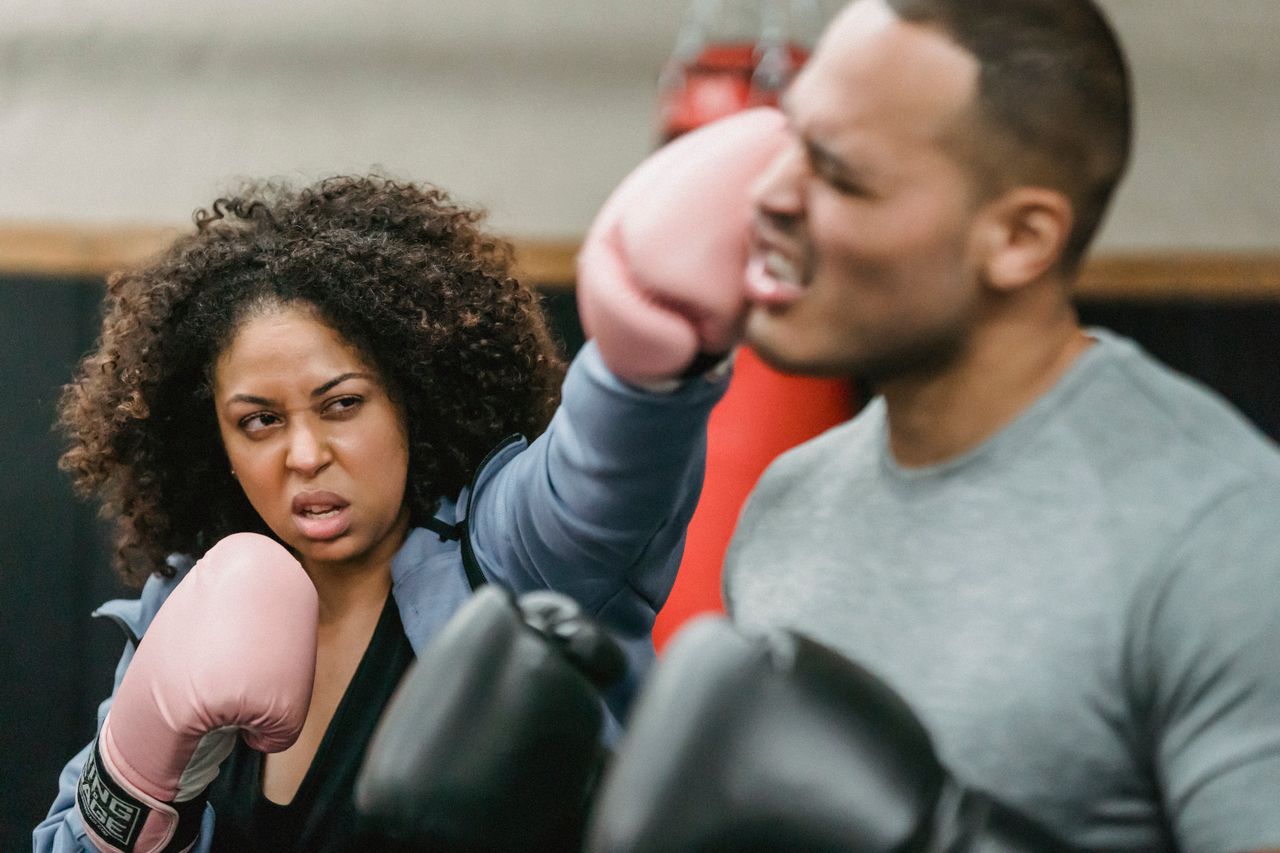
Boxing gyms in Hawaii often carry a community function. They are places where young athletes learn conditioning, respect, patience, and self-control. Fitness boxing exists too, especially in urban and tourist-heavy areas, but the competitive side remains tied to local trust and long-term coaching relationships. In Hawaii, a gym is rarely just a room with bags. It can be a neighborhood institution.
Women’s boxing and youth boxing give Hawaii a meaningful path forward. The state has the athletic culture to produce more fighters, but growth depends on access, coaching depth, amateur competition, and pathways to mainland or international exposure.
Hawaii boxing is smaller than many mainland scenes, but it has a strong identity. It is local, Pacific, multicultural, and resilient. Its best fighters carry more than a city or gym behind them; they carry the pride of islands that understand combat sports as part of a broader athletic tradition.