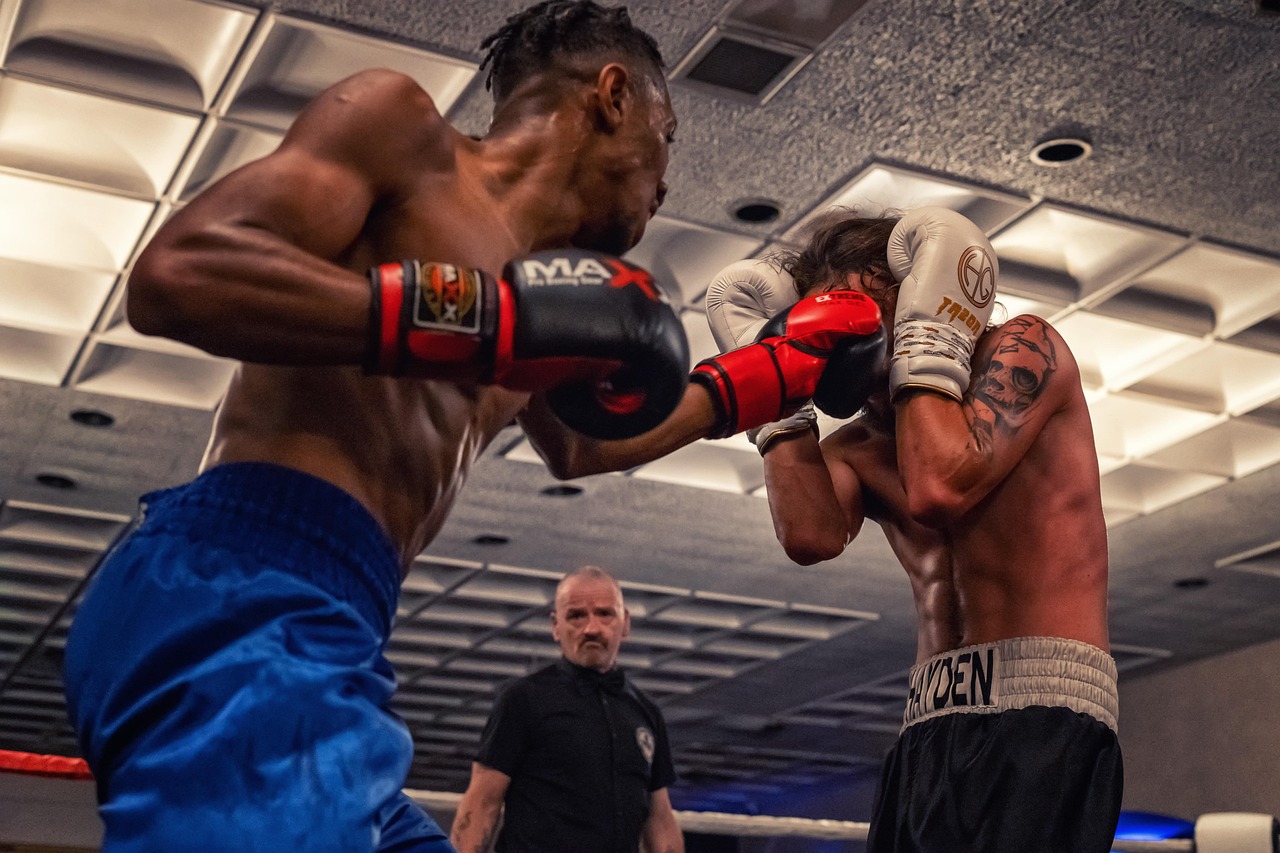
Manila is one of the great boxing centers of Asia because it sits at the heart of the Philippines’ national fight culture. The Philippines is one of the world’s most important boxing countries, and Metro Manila is where much of that energy becomes visible. Fighters may come from Mindanao, the Visayas, Luzon provinces, or overseas Filipino communities, but Manila often becomes the professional stage, media hub, training stop, and proving ground. Boxing in Manila is not just another sport. It is connected to poverty, ambition, national pride, neighborhood identity, and the dream of a fighter changing his family’s life with one career.
The city’s boxing identity is different from a place that simply hosts events. Manila is both a fight market and a boxing nerve center. It has gyms where young fighters learn the basics, arenas where domestic and international bouts are staged, managers and promoters looking for talent, and fans who understand boxing’s rhythms. Filipino boxing has produced world champions across generations, and Manila has helped turn those fighters into public figures. The city gives boxing a kind of national megaphone.
The most famous Filipino boxer, Manny Pacquiao, is not a Manila native, but his career is impossible to separate from Manila’s boxing ecosystem. Pacquiao came from General Santos and built his legend internationally, but Manila became one of the places where his fame was processed, celebrated, commercialized, and absorbed into national life. On Pacquiao fight days, the capital often felt like the emotional center of a country watching one man carry national expectation into the ring. His success changed Filipino boxing at every level. It raised the ambition of young fighters, increased global interest in Filipino talent, and made boxing more visible to casual fans.
Manila also connects to the older Filipino boxing tradition represented by fighters such as Gabriel “Flash” Elorde, Pancho Villa, and later champions who helped build the country’s reputation for speed, toughness, and technical adaptability. The deeper point is that Manila is not just a Pacquiao city. It is part of a national boxing story that stretches across eras, weight classes, and regions. Filipino fighters have often excelled in lighter divisions, where speed, timing, volume punching, and conditioning become decisive. Manila’s gyms and fight venues have helped maintain that tradition.
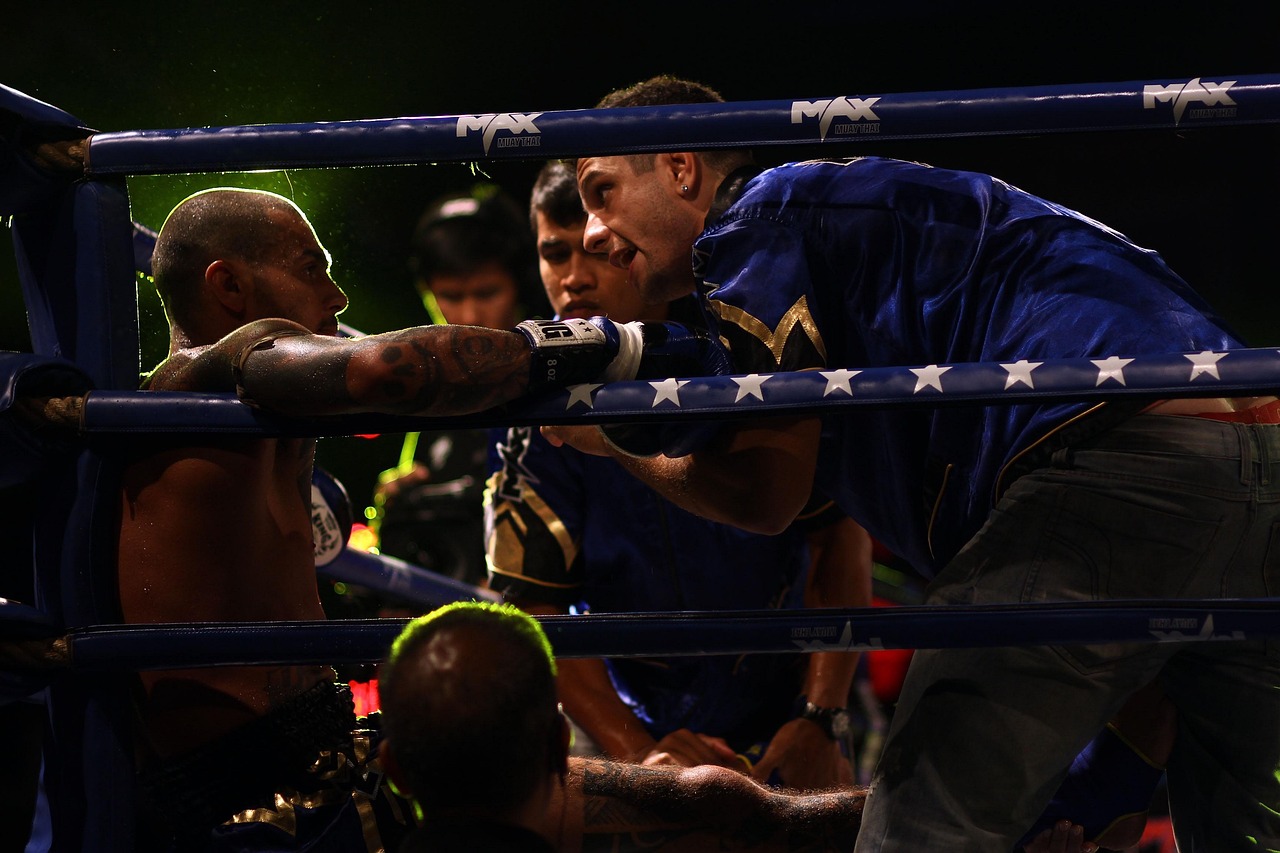
The training culture in Manila can be intense because boxing remains tied to economic opportunity. For many young athletes, the sport is not just fitness or self-expression. It is a possible profession, even if the odds are difficult. Gyms often operate with a practical edge. Fighters learn to spar, make weight, travel, take short-notice bouts, and survive in a competitive market. The best prospects may move between local gyms, provincial connections, and international camps, especially when they begin attracting attention from promoters outside the Philippines.
Metro Manila’s fight scene also benefits from its venues and surrounding urban density. Big cards can draw national attention, while smaller shows keep the pipeline moving. Quezon City, Manila, and nearby areas all contribute to the broader boxing environment. The local scene is not only about stars. It is about journeymen, prospects, trainers, cornermen, and club fighters who give the sport its everyday structure.
Women’s boxing and youth boxing are also part of Manila’s future. The Philippines has shown increasing strength in women’s combat sports, and boxing has room to grow as more female athletes receive coaching, competition, and media attention. Olympic boxing has also become more important to the national picture, giving amateurs a pathway that does not rely only on the professional market.
Manila’s boxing future is tied to the same qualities that built its reputation: hunger, technical craft, national passion, and a deep supply of fighters willing to work. The city does not own all Filipino boxing, but it remains one of the sport’s most important gathering places. In Manila, boxing is a profession, a spectacle, a ladder, and a national language spoken through gyms, arenas, and champions.