Louisiana boxing has a rhythm different from most American states. It is shaped by New Orleans culture, Gulf Coast toughness, French Quarter spectacle, working-class gyms, casino fight nights, and a long connection between boxing, entertainment, and local identity. The state has never needed to be the largest fight market to feel distinctive. Louisiana boxing has always had atmosphere. It has produced champions, hosted important fights, and maintained a fight culture that reflects the state’s mix of port-city grit, music, migration, neighborhood pride, and showmanship.
New Orleans is the center of Louisiana boxing history. The city has long been one of America’s most distinctive sporting places, and boxing fits naturally into that environment. Prizefighting, like jazz, nightlife, horse racing, and carnival culture, found space in a city built around performance and public drama. In earlier eras, New Orleans was a significant fight town, drawing major bouts and developing a reputation as a place where boxing could be both sport and spectacle. Its geography helped. As a port city with deep cultural exchange, New Orleans absorbed influences from across the Gulf, the Caribbean, Latin America, and the wider American South.
Louisiana has produced important boxing figures, with Willie Pastrano standing among the most notable. Pastrano, associated strongly with New Orleans, became world light heavyweight champion and represented a slicker, more mobile style than many casual fans associate with Southern boxing. He was not simply a brawler; he was a clever boxer whose movement and ring intelligence made him difficult to solve. Tony Canzoneri, born in Slidell, became one of the great lighter-weight fighters of the early twentieth century, winning world titles and earning recognition as one of boxing’s finest champions. Even when fighters left Louisiana or built careers elsewhere, the state remained part of their origin story.
The local boxing culture has often been strongest at the gym level. Louisiana boxing rooms have traditionally served young fighters from neighborhoods where combat sports offer structure, discipline, and a competitive outlet. In New Orleans, Baton Rouge, Lafayette, Shreveport, Lake Charles, and smaller communities, boxing often survives through individual coaches and local clubs rather than large commercial systems. The sport’s infrastructure can be uneven, but its emotional appeal is durable. Boxing fits Louisiana because it rewards resilience, timing, instinct, and the ability to perform under pressure.
Amateur boxing is a crucial part of that ecosystem. For many Louisiana fighters, the amateur scene is the real entry point into the sport. Local tournaments, regional travel, and club competition allow young boxers to develop before deciding whether professional boxing is realistic. Louisiana’s location also connects it to nearby fight circuits in Texas, Mississippi, Alabama, Arkansas, and Florida. A promising boxer from Louisiana may have to travel often, but the Gulf South gives fighters a practical competitive map.
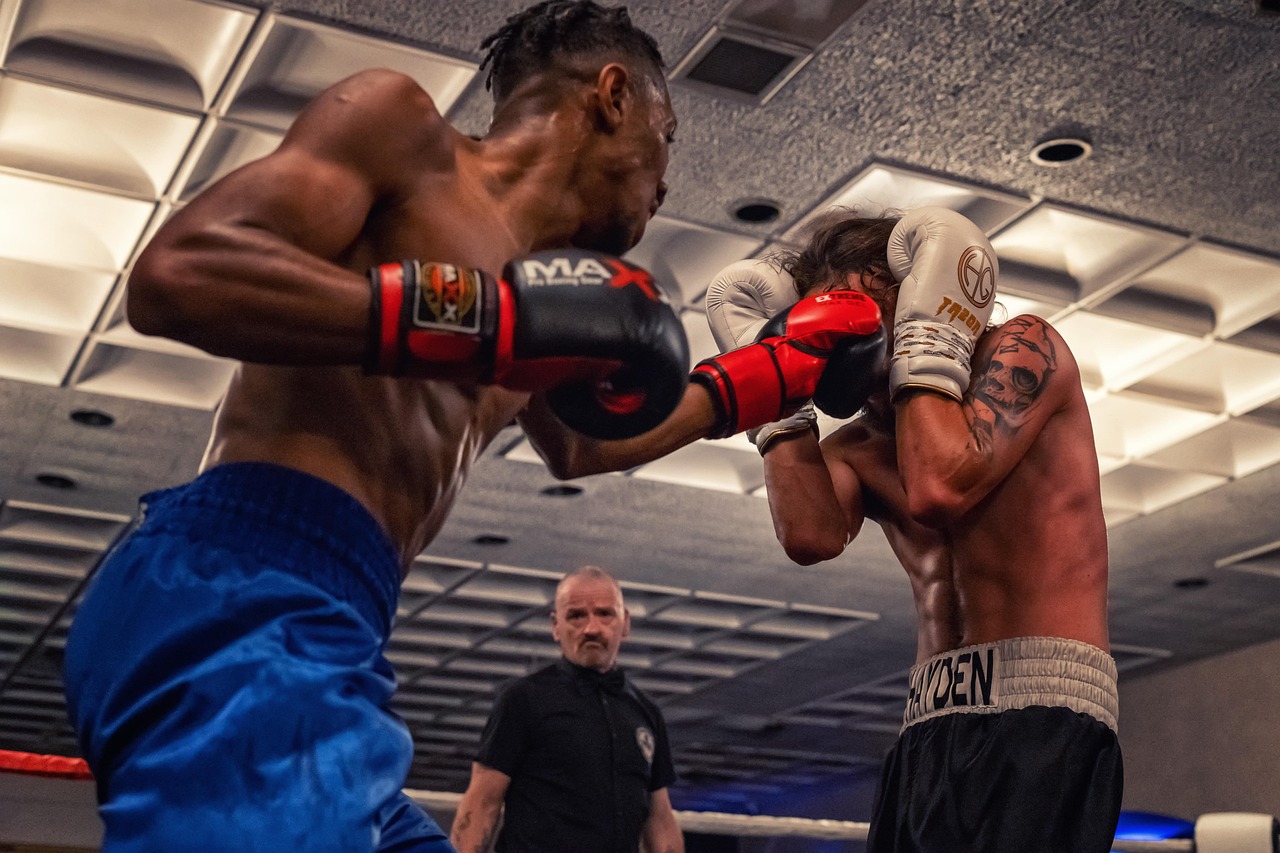
Professional boxing in Louisiana has had several identities. New Orleans has the history and cultural weight. Baton Rouge and other cities can support local cards. Casino venues across the Gulf region have also played an important role in keeping professional fight nights alive. The state may not produce constant major title events today, but it remains capable of hosting regional cards, comeback fights, prospects, and club-level professional shows. Louisiana’s fight-night atmosphere can still be powerful because boxing works well in rooms where the crowd feels close to the action.
The state’s broader combat-sports culture also affects boxing. Louisiana has strong traditions in football, wrestling, martial arts, and mixed martial arts, and many athletes encounter boxing as part of a wider fighting or conditioning environment. That can be both a challenge and an opportunity. Pure boxing gyms have to compete with MMA and fitness boxing, but boxing technique remains central to almost every striking sport. A good boxing coach in Louisiana can serve amateurs, professionals, MMA fighters, and recreational athletes at the same time.
Louisiana boxing is strongest when it leans into what makes it different. It is not just another Southern boxing scene. It has New Orleans history, Gulf Coast movement, champion lineage, regional circuits, and a theatrical sense of place. Its future depends on youth development, consistent local shows, and gyms that can bridge serious competition with broader participation. Boxing in Louisiana still feels like a sport with roots in the street, the stage, and the old fight hall.