MMA in Taiwan is best understood as an emerging scene with a serious martial arts base rather than a finished professional pipeline. Taiwan does not yet belong in the same category as Japan, South Korea, Brazil, Russia, Thailand, or the United States, but it also should not be treated as a blank space on the MMA map. The island has long-standing combat-sports traditions, a developing Brazilian jiu-jitsu community, a meaningful judo and taekwondo culture, respected boxing talent, and a small but persistent group of fighters who have tested themselves in regional and international promotions.
The defining feature of Taiwanese MMA is not mass production. It is gradual integration. Taiwan has the ingredients MMA requires: striking, grappling, conditioning, coaching, amateur competition, and regional access. What it has been building more slowly is the connective tissue between those parts. In stronger MMA countries, a young athlete can move from youth wrestling or judo into amateur MMA, then into a domestic pro circuit, then into a major promotion. Taiwan’s pathway has been less direct. Fighters often come from one discipline, cross-train in another, look for the right gym, and then rely on regional shows or overseas opportunities to gain experience.
That gives MMA in Taiwan a particular personality. It is technical, urban, and still somewhat fragmented. Taipei is the natural center, but the scene is not only about one city. Brazilian jiu-jitsu academies, striking gyms, fitness-based combat sports programs, and local events have helped create a wider base. The result is a country where MMA is visible enough to have real structure, but still young enough that each breakthrough fighter or event can significantly change the public understanding of the sport.
Combat Sports Came Before the Cage
Taiwan’s MMA identity did not appear from nowhere. Like most Asian MMA scenes, it grew out of older martial arts systems and competitive combat sports. Judo, taekwondo, boxing, karate, sanda, kickboxing, and Brazilian jiu-jitsu have all contributed pieces of the local fighting culture. The challenge has been combining those pieces into full MMA athletes.
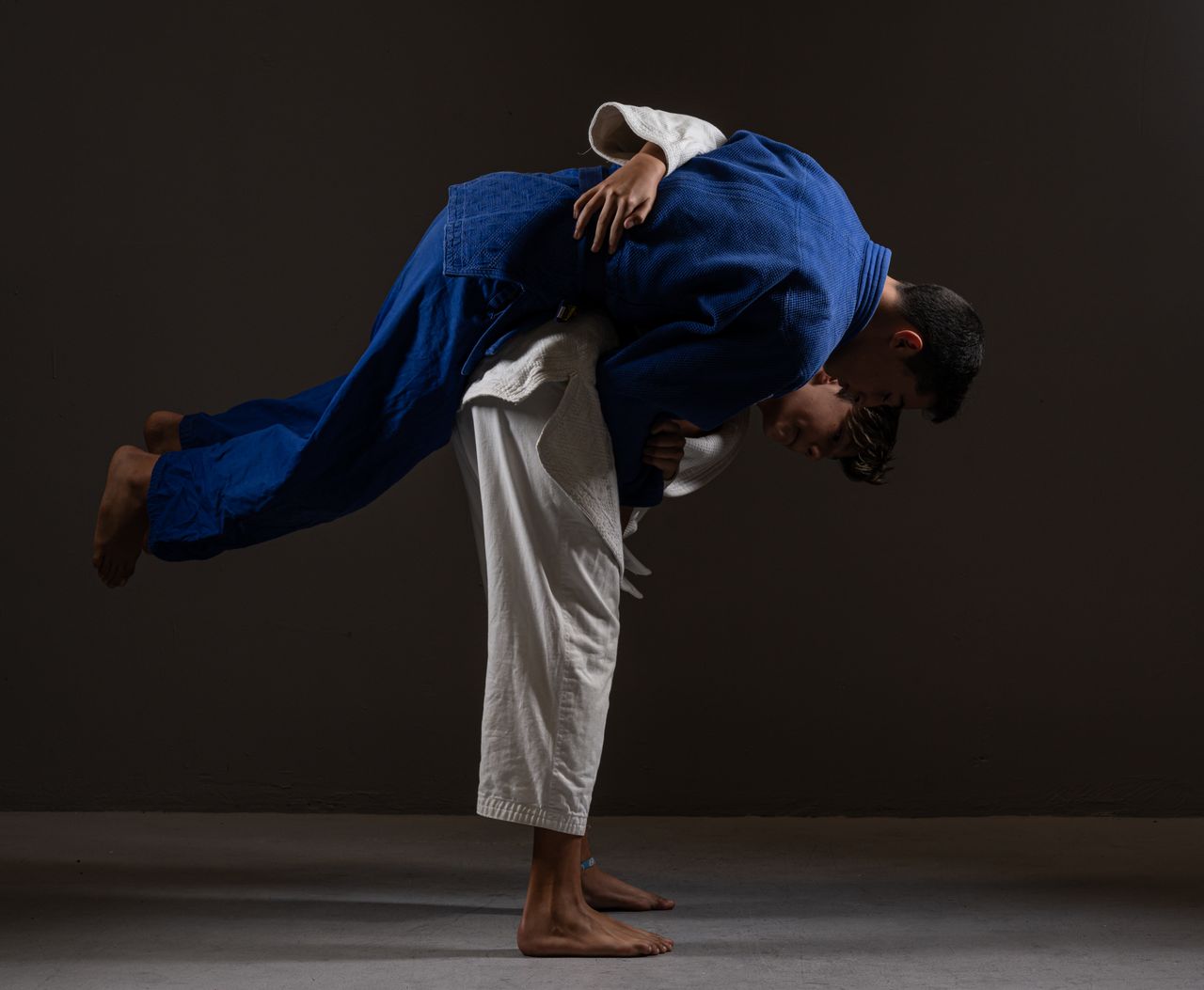
Judo is especially relevant because it gives Taiwan a legitimate grappling heritage. Judo athletes understand balance, clinch entries, throws, grip fighting, mat transitions, and competitive pressure. Those qualities translate well to MMA when paired with wrestling defense, cage control, and submission grappling. Taiwan’s international judo visibility has helped normalize the idea that grappling can be an elite sporting skill, not simply a traditional martial art practiced in isolation.
Taekwondo has also mattered, though its MMA translation is different. Taiwan has produced serious taekwondo athletes, and the sport has a strong institutional presence throughout East Asia. Taekwondo does not automatically create MMA-ready strikers because distance, stance, hand defense, and takedown vulnerability change inside a cage. But it does build kicking speed, flexibility, timing, and comfort in one-on-one combat. In a country where many young athletes encounter martial arts through schools, clubs, or Olympic-style sports, taekwondo remains part of the broader foundation.
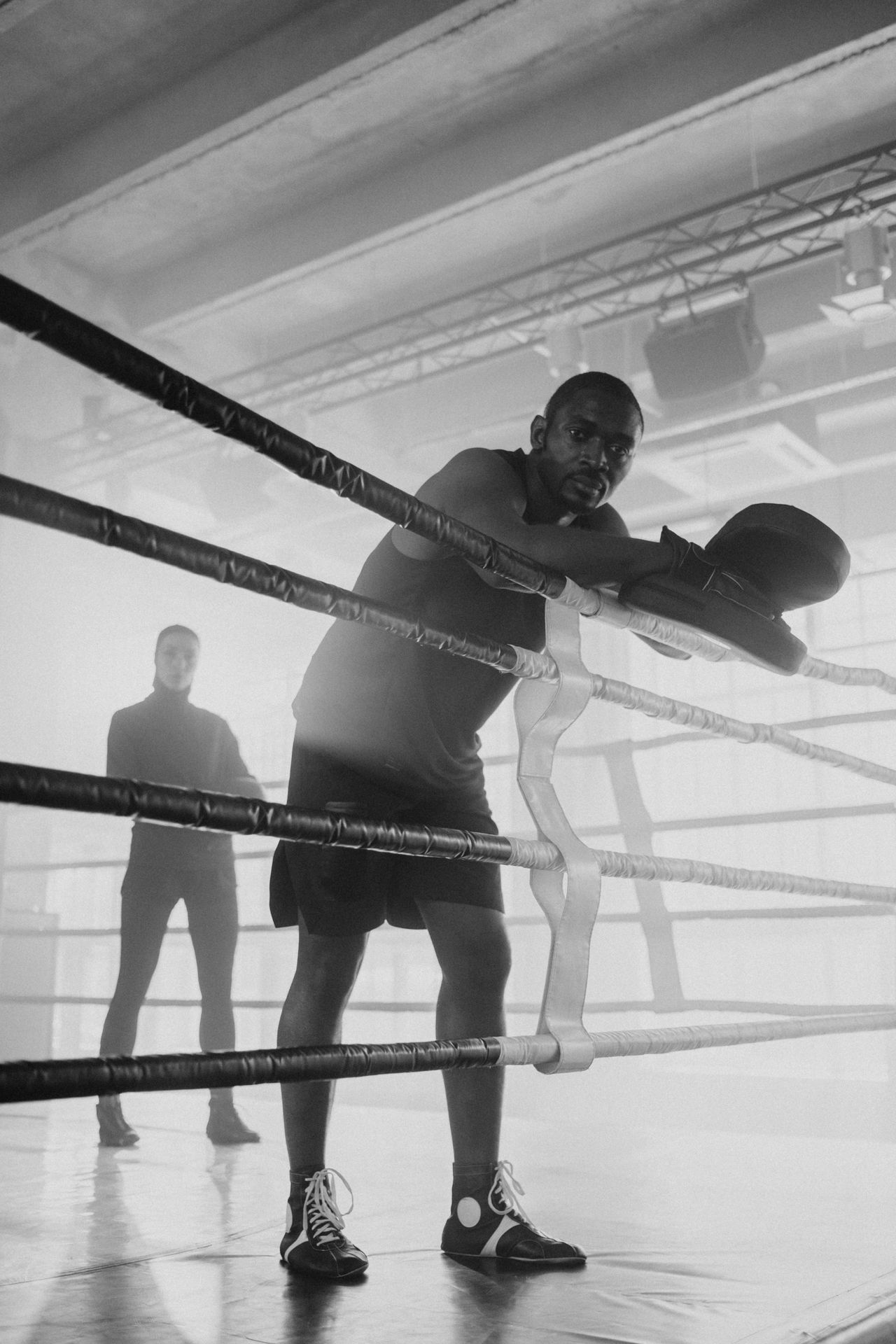
Boxing gives Taiwan another important combat-sports reference point. The success of Taiwanese boxers at the international level has raised the country’s striking profile and shown that Taiwan can produce disciplined, technically sharp fighters in a global combat sport. Boxing matters to MMA not only because of punches, but because it teaches footwork, defensive responsibility, conditioning, and the ability to perform under judging pressure. A strong boxing culture can help an MMA scene mature, especially when fighters begin cross-training with grapplers and kickboxers.
Brazilian jiu-jitsu may be the most important modern ingredient. BJJ gave Taiwan’s MMA scene a practical ground-fighting language. It created spaces where hobbyists, competitors, expats, and aspiring fighters could train together under a shared technical system. In many emerging MMA markets, BJJ academies become the first reliable bridge between traditional martial arts and full mixed martial arts. Taiwan follows that pattern. The mat culture gives the scene structure, vocabulary, belts, competition goals, and coaches who understand submission grappling beyond theory.
Sanda and kickboxing round out the picture. Sanda is particularly relevant in Chinese-speaking martial arts environments because it combines striking with throws and trips. While it is not MMA, its blend of stand-up fighting and takedown awareness can produce useful instincts. Kickboxing and Muay Thai-style training also provide a practical striking base for fighters who need more than point fighting or traditional forms. For Taiwan, the long-term opportunity is not choosing one foundation over another. It is improving the integration between them.
The Fighters Who Made Taiwan Visible
Taiwan’s MMA story has been shaped by a relatively small number of visible fighters rather than a deep list of internationally ranked names. That does not make the scene unimportant. It means individual fighters carry more symbolic weight.
Andy Wang is one of the names most associated with early Taiwanese visibility in modern MMA. His career connected Taiwan to the American MMA boom era, Brazilian jiu-jitsu, The Ultimate Fighter, and early Asian MMA opportunities. Wang’s record does not tell the whole story. His importance comes from timing and visibility. He appeared at a moment when MMA was becoming a global television product, and for many viewers, he was one of the first Taiwanese-linked fighters they encountered in a major Western MMA context.
Jeff “The Machine” Huang represents another stage of Taiwanese MMA development. Huang competed in ONE Championship and became one of the more recognizable Taiwanese male fighters in the Asian regional scene. His career reflected the reality facing many Taiwanese athletes: to develop professionally, fighters often needed to test themselves against opponents from larger, more active MMA markets. ONE gave that generation of Asian fighters a platform, but it also exposed the gap between having talent and having a complete domestic pipeline behind that talent.
Jenny “Lady GoGo” Huang is central to any serious discussion of Taiwanese MMA. A judo-based atomweight, she became one of Taiwan’s most visible women’s MMA fighters and competed in ONE Championship during a period when the promotion was building its women’s divisions. Her submission ability gave her a clear identity, and her gogoplata win over April Osenio became one of the memorable submission moments connected to a Taiwanese fighter. She also showed the value of a strong base discipline. In emerging MMA countries, the first fighters who travel well internationally are often not all-around athletes from the beginning. They are specialists who sharpen enough secondary skills to compete outside their home scene.
These names matter because Taiwan has not yet produced a large wave of UFC or major-title-level MMA stars. Its reputation is still being built through individual careers, regional appearances, and local infrastructure. That makes accuracy important. Taiwan should not be oversold as a hidden MMA powerhouse. It is better described as a country with legitimate combat-sports talent, a growing training base, and a still-developing professional ladder.
Taipei as the Center of the Scene
Taipei functions as the main MMA hub in Taiwan because it concentrates population, gyms, media access, expat networks, events, and international connectivity. In small or mid-sized MMA markets, the capital or largest metro often becomes the place where different disciplines finally meet. That is the case with Taipei. A judoka can find BJJ. A boxer can find kickboxing. A foreign coach can connect with local athletes. A hobbyist can become an amateur competitor. A promoter can stage a card with enough fighters, coaches, officials, and spectators to make the sport visible.
The training culture in Taipei has been shaped partly by Brazilian jiu-jitsu academies. BJJ schools helped introduce consistent grappling instruction and open-mat culture. They also created an environment where Taiwanese athletes and foreigners could train together. That matters more than it might seem. MMA grows faster when knowledge moves across borders. Taiwan’s expat community, regional visitors, Japanese and Southeast Asian connections, and English/Mandarin training environments have all helped expose local athletes to different coaching styles.
The strongest local gyms are not merely places to exercise. They are knowledge-transfer points. In an emerging MMA scene, the gym is where athletes learn what modern combat actually requires: takedown defense, wall work, positional grappling, striking under threat of the shot, submission defense, round management, and conditioning for multiple phases of a fight. A country can have good martial artists for decades without having many MMA fighters if those pieces are not trained together. Taipei’s importance comes from giving those pieces a better chance to connect.
Still, Taiwan’s gym culture faces the same constraints as many developing MMA markets. Full-time professional fighters need more than classes. They need sparring partners at the right size and level, coaches with fight-camp experience, safe but demanding rounds, access to strength and conditioning, medical support, and regular competition. When those resources are limited, fighters either plateau locally or look overseas. Thailand, Japan, South Korea, the Philippines, and the United States can all become part of the development path for Taiwanese fighters who want higher-level experience.
Events, WOTD, and the Importance of Local Cards
Events are the area where Taiwan’s MMA scene has taken some of its most visible steps. A local fight scene needs more than gyms. It needs cards where athletes can test themselves, coaches can learn how to corner, officials can improve, and fans can attach themselves to fighters. Taiwan’s event culture has developed through a combination of international showcases and domestic promotions.
ONE Championship’s arrival in Taipei in 2014 was an important symbolic moment. When a major Asian promotion brings a card to a market, it validates local interest and gives fans a live reference point for what professional MMA looks like at a higher level. But one-off major events do not create a scene by themselves. They can inspire attention, but the domestic structure has to keep producing opportunities after the lights leave.
That is where local cards matter more. Way of the Dragon and the Enter the Dragon series have become important markers for Taiwanese combat sports because they provide recurring competition opportunities. These events have used Taipei Gymnasium and have included MMA alongside other combat formats. That mixed-format approach fits Taiwan’s current stage. Instead of pretending there is already a massive standalone MMA audience, promoters can build cards that bring together MMA, kickboxing-style formats, cage striking, and experimental rulesets. This gives more athletes a reason to participate and more spectators a reason to attend.
The value of local promotions is developmental. A fighter’s first amateur bout, first professional fight, first weight cut, first walkout, first hard round, and first tactical loss often happen on smaller shows. Those experiences create the base of a real MMA country. Major promotions want finished products or high-ceiling prospects. Local promotions create the early record, the habits, and the competitive confidence.
Taiwan’s event scene is still modest by global standards, but it has passed an important threshold: MMA is no longer just something watched from overseas. It is something that can be staged, sanctioned, coached, judged, promoted, and discussed locally.
Why Taiwan’s MMA Growth Is Different From Japan, Korea, or China
Taiwan’s MMA development should not be measured against its neighbors without context. Japan has decades of professional combat-sports infrastructure, from shoot-style wrestling and Shooto to Pancrase, PRIDE, Rizin, K-1, and a deep gym culture. South Korea has a strong wrestling, judo, boxing, kickboxing, and military-service athletic base, along with Road FC and a larger pool of fighters feeding international promotions. Mainland China has enormous population scale, sanda infrastructure, state sports systems, and UFC Performance Institute investment.
Taiwan is different. Its advantage is not scale. Its advantage is adaptability. The island is small enough for martial arts communities to know each other, international enough to absorb outside coaching, and wealthy enough to support modern gyms. But it does not yet have the same number of professional fight opportunities, large teams, or nationally recognized MMA stars.
That means Taiwan’s path is likely to be selective rather than explosive. The most successful Taiwanese fighters will probably be athletes who combine a strong base discipline with overseas experience. A judo player who adds BJJ and striking, a boxer who learns defensive wrestling, a sanda athlete who adapts to cage control, or a BJJ competitor who commits early to MMA could become the next major breakthrough. Taiwan does not need hundreds of fighters to change its reputation. It needs a few well-developed athletes who can win consistently in regional promotions and then move into ONE, Rizin, UFC pathways, Road to UFC-style opportunities, or other international circuits.
Women’s MMA and the Technical Profile of Taiwanese Fighters
Women’s MMA may become one of Taiwan’s more realistic growth lanes. The lighter weight classes are important across Asian MMA, and Taiwan’s combat-sports culture has already produced women capable of succeeding internationally in boxing and other disciplines. Smaller weight divisions also align better with the body types often represented in East Asian MMA talent pools, where atomweight, strawweight, flyweight, and bantamweight can be especially relevant.
Jenny Huang’s visibility in ONE showed that Taiwanese women could compete on a major Asian stage. Her judo and submission base also offered a useful model: build from a real combat skill, then adapt. That model could matter for future Taiwanese women entering MMA from judo, boxing, kickboxing, taekwondo, or BJJ.
Women’s MMA scenes often grow when three things happen at once: a visible pioneer creates attention, local gyms take female competitors seriously, and promotions offer consistent matchups. Taiwan has pieces of that structure, but depth remains the challenge. Female fighters need opponents. They need safe, competitive training rooms. They need coaches who understand the tactical differences between sport grappling, striking, and MMA. They also need regional access because local matchmaking can become difficult in small divisions.
If Taiwan develops another internationally relevant MMA fighter in the near future, it would not be surprising if that fighter came from the women’s lower weight classes. The technical base is plausible, the regional platforms exist, and Asian MMA has already shown that women’s atomweight and strawweight fighters can become major promotional figures.
The Asian Games Could Change the Development Path
The inclusion of MMA in the 2026 Asian Games gives Taiwan a new reason to formalize development. Multi-sport recognition matters because it shifts MMA from purely commercial entertainment toward national sports infrastructure. For countries with emerging scenes, that can change funding, coaching, athlete identification, and public legitimacy.
Taiwan’s MMA association has already viewed the Asian Games debut as a potential accelerator. That is significant because amateur MMA often develops differently when there is a national-team pathway. Instead of relying only on prizefighting ambition, young athletes can pursue MMA as a recognized competitive sport. That can attract athletes from judo, wrestling, boxing, sanda, kickboxing, and BJJ who might otherwise avoid MMA because the pathway seems uncertain.
The Asian Games will not instantly make Taiwan a regional MMA power. But it can create a more coherent goal. Athletes need targets. Coaches need standards. Federations need calendars. Judges and referees need experience. A continental multi-sport framework can help Taiwan organize MMA in a way that local fight nights alone cannot.
The long-term value may be cultural as much as competitive. When MMA appears beside other recognized combat sports, it becomes easier for parents, schools, athletes, sponsors, and media to understand it as a legitimate sport. That can help Taiwan move beyond the old image of MMA as simply cage fighting and toward a more serious development model.
Taiwan’s MMA Future Depends on Integration
The future of MMA in Taiwan will not be decided by whether the country suddenly produces a dozen global stars. It will be decided by whether the scene can integrate its existing strengths. Taiwan already has martial arts participation, grappling academies, striking sports, educated coaches, international connections, and local promotions. The question is whether those parts become a dependable pipeline.
The next stage requires more amateur bouts, clearer coaching pathways, better wrestling and cage-specific training, and stronger links between gyms and promotions. It also requires fighters to travel. Taiwan’s best prospects will need regional experience against athletes from Japan, South Korea, the Philippines, Thailand, China, Singapore, and beyond. MMA development is unforgiving when a fighter’s only experience comes from a small local pool.
Taiwan’s most realistic MMA identity is not as an overnight powerhouse. It is as a technical, urban, regional scene with the potential to produce select high-level fighters. Its athletes are likely to be disciplined, skill-based, and shaped by cross-training rather than by a single national combat style. Its events will probably continue mixing MMA with other combat formats while the audience grows. Its best fighters may continue using Taiwan as a home base while seeking advanced camps or fights abroad.
That is not a weakness. It is the normal path for a young MMA country with real martial arts roots. Taiwan has moved beyond the stage of simple curiosity. The scene has fighters, gyms, local cards, international reference points, and a growing institutional reason to take MMA seriously. The next breakthrough will come when those pieces produce a fighter who can carry Taiwan from regional relevance into sustained global recognition.