Hong Kong’s MMA identity is unusual because the city has a deep martial arts imagination but a much smaller modern MMA footprint than people might expect. Globally, Hong Kong is associated with kung fu cinema, Bruce Lee, wing chun, sanda, boxing gyms, and a dense urban fitness culture. Yet modern MMA in Hong Kong has been more stop-start: visible at moments, regionally connected, commercially promising, but not yet a steady factory of elite professional fighters.
The symbolic breakthrough came through Sasha Palatnikov, widely recognized as the first Hong Kong fighter signed by the UFC. Palatnikov’s UFC arrival mattered because Hong Kong had long been present in martial arts culture but largely absent from the UFC athlete pool. His background also fit the city’s international character. Hong Kong MMA has often been shaped by expatriate coaches, local Chinese fighters, international residents, visiting grapplers, and athletes who move between Asia, Europe, and North America. It is less a closed national system than a crossroads.
Ramona Pascual also belongs in the conversation. As a Hong Kong-associated fighter who reached the UFC, she added another important point of visibility, especially for women’s MMA. Her path showed the same broader pattern: Hong Kong can produce or shape serious fighters, but the final stages of development often require international competition and training links beyond the city.
Hong Kong’s event history has had flashes of real ambition. Legend Fighting Championship began as a Hong Kong-based promotion and became one of the more important early regional MMA platforms in Asia-Pacific. Its focus on native Asia-Pacific talent gave fighters from the region a place to compete before Asian MMA became as consolidated around brands such as ONE Championship, Rizin, Road FC, and other larger organizations. Later, JUST MMA attempted to revive local live-event momentum with Hong Kong cards featuring local fighters and regional matchups.
The city’s strengths are obvious. Hong Kong has money, media infrastructure, international residents, strong fitness culture, and proximity to major Asian fight markets. It also has a martial arts heritage that makes combat sports culturally legible. The challenge is that modern MMA requires space, continuity, and a large enough competitive base to support regular amateur and professional development. Hong Kong’s density and high costs make large fight gyms harder to sustain than in lower-cost markets. A striking gym, BJJ academy, or fitness-oriented combat-sports club can work commercially, but a true MMA pipeline requires competitors, coaches, sparring depth, medical oversight, and promoters willing to take financial risk.
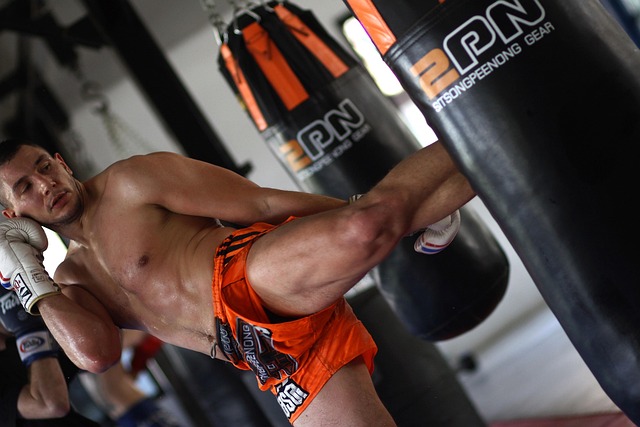
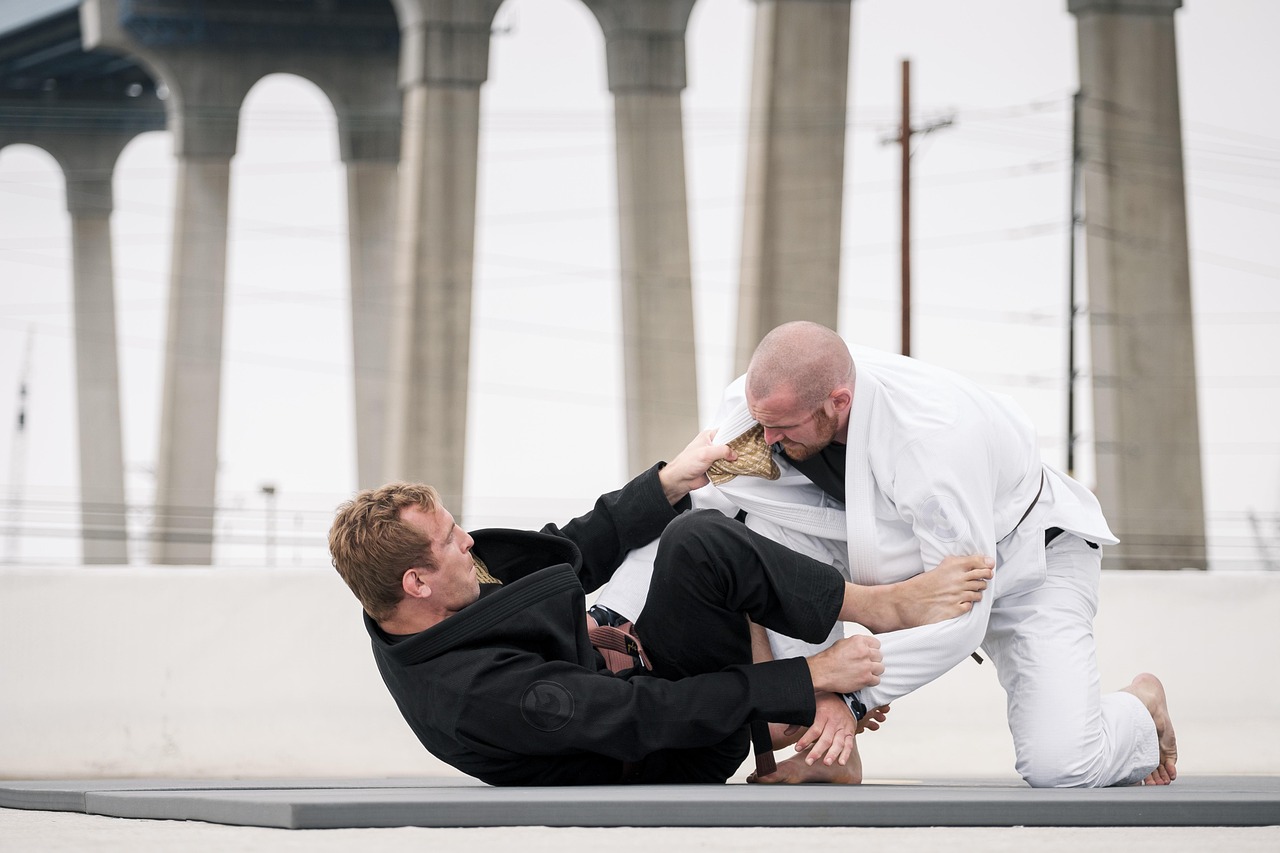
Technically, Hong Kong’s best MMA base is likely to come from hybrid gyms that connect Brazilian jiu-jitsu, boxing, Muay Thai, wrestling for MMA, and strength training. Traditional martial arts remain part of the city’s identity, but success in the cage depends on modern adaptation. The fighters who emerge from Hong Kong must be comfortable training with international teams and competing abroad because the local schedule alone is not enough to sharpen a professional career.
Hong Kong’s fan culture is also different from a national fight market built around one folk hero. MMA fans in the city are often globally aware. They follow the UFC, ONE Championship, Chinese fighters, Southeast Asian stars, and international grappling. That creates a sophisticated audience, but not automatically a local movement. For the scene to grow, fans need regular local athletes to follow, not only imported stars or occasional regional cards.
Hong Kong’s MMA future is best described as selective rather than broad. It may not produce dozens of major fighters, but it can produce serious individuals, host regional events, and function as a high-level training and business node in Asian MMA. Its identity is not volume. Its identity is connection: between traditional martial arts and modern cage fighting, between local athletes and global gyms, and between the commercial energy of the city and the harder work of building fighters from the ground up.