MMA in the Marshall Islands is a very small scene, and any serious profile has to start there. The country does not currently have a widely visible professional MMA circuit, a large list of internationally known fighters, or the kind of regional fight infrastructure seen in Guam, Hawaii, Japan, Australia, or New Zealand. Its MMA identity is closer to grassroots martial arts, youth development, self-defense training, wrestling interest, and Pacific Island combat-sports influence than to a mature cage-fighting market.
That does not make the Marshall Islands irrelevant to MMA. It means the sport exists at an earlier and more community-based stage. In small island countries, combat sports often develop first as discipline-based programs: taekwondo for youth structure, boxing for conditioning and toughness, wrestling for athletic competition, and self-defense or mixed martial arts classes for practical training. The pieces of MMA may appear before the country has a formal MMA scene. A young athlete might learn striking in one environment, wrestling in another, and basic grappling through a coach or visiting practitioner, without having a regular local fight calendar.
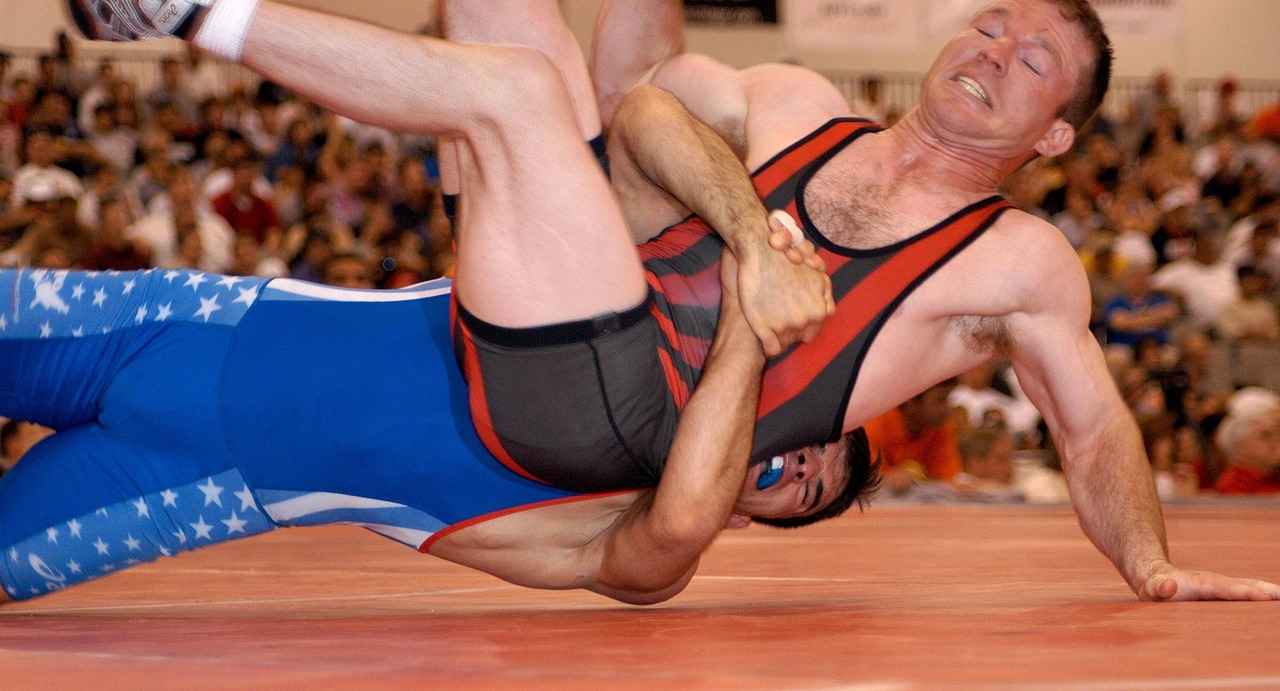
Wrestling is one of the most important potential foundations. The presence of a Marshall Islands Wrestling Federation in Majuro matters because wrestling is one of the most valuable bases for MMA. Even if freestyle or folkstyle wrestling is not the same as cage wrestling, it teaches balance, pressure, grip fighting, takedown effort, scrambling, and competitive physicality. For a small country trying to build combat athletes, wrestling can provide the athletic engine that later connects to striking and submissions.
The Marshall Islands also sits in a broader Pacific combat-sports neighborhood. Guam and the Northern Mariana Islands have had more visible MMA activity, and Hawaii has long been one of the most important island fight cultures in the sport’s history. That regional context matters because Marshallese athletes may need outside competition to grow. A domestic scene can introduce students to training, but serious fighters eventually need opponents, officials, experienced corners, and exposure to different styles. The most realistic pathway for a Marshallese MMA athlete may run through Guam, Hawaii, the U.S. mainland, military-linked training communities, or regional Pacific events.
The biggest limitation is scale. With a small population and a dispersed island geography, it is difficult to build enough gyms, divisions, and regular events to sustain a conventional MMA pipeline. A fighter needs more than talent. They need rounds, coaching variety, recovery support, weight-class depth, and safe matchmaking. Those things are hard to create without a larger competitive base. For the Marshall Islands, the smarter goal is not to imitate big MMA markets, but to strengthen the sports that can feed MMA over time.
That means wrestling, boxing, taekwondo, kickboxing, jiu-jitsu, and self-defense programs all matter. So do school and youth sports structures, because they create disciplined athletes before those athletes ever enter a cage. If local programs can keep young people training consistently, the Marshall Islands can develop the kind of compact fight culture that gives a small number of athletes a real chance to compete internationally.
For now, MMA in the Marshall Islands is not defined by famous names or major promotions. It is defined by early infrastructure, Pacific regional connection, and the possibility of athletes developing through hybrid pathways. The country’s future in MMA will likely come one fighter at a time, built through local martial arts participation and tested through opportunities beyond the islands.