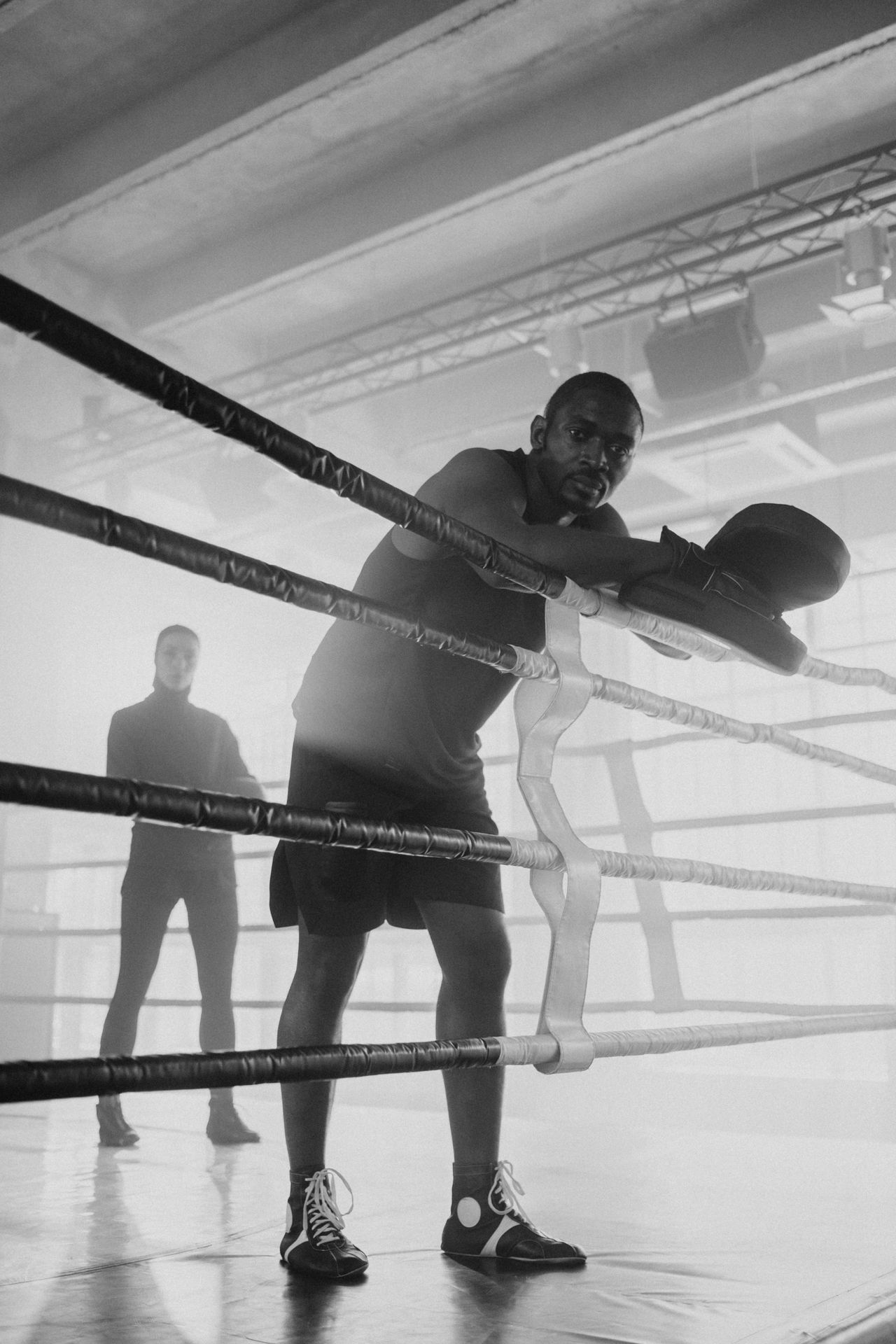
Djibouti’s boxing profile is still in the early-development category. The country is known far more for distance running than for boxing, and its Olympic identity is anchored by athletics, especially Hussein Ahmed Salah’s marathon bronze in 1988. That matters because boxing in Djibouti has to grow in a sports culture where endurance running has historically offered the clearest international pathway. The ring is present as a possibility, but it has not yet become the country’s defining competitive space.
Djibouti’s overall Olympic participation began in the 1980s, and the country has generally sent small teams to the Summer Games. At Paris 2024, for example, Djibouti’s delegation competed in athletics, judo, and swimming rather than boxing. That does not mean boxing is absent from the country’s sporting life, but it does show where the national high-performance emphasis has been most visible internationally.
For boxing, Djibouti’s geography is both a challenge and an opportunity. The country sits in the Horn of Africa near Ethiopia, Somalia, Eritrea, Yemen, and the Red Sea corridor. It is a small country with a strategic port economy and a diverse cultural environment, and those factors can support a fight scene if clubs, coaches, and regional competition become more consistent. Boxing does not need a huge population to develop serious fighters, but it does need repetition: regular training, sparring partners, amateur shows, qualified officials, and chances to compete outside the country.
The most realistic identity for Djiboutian boxing is not “champion-producing nation” yet. It is a regional development scene. That means the sport’s progress depends on schools, youth clubs, military or police sport, neighborhood gyms, and connections to African boxing tournaments. In many smaller African nations, boxing survives because coaches keep rooms open with limited resources. Fighters learn through discipline, conditioning, and local competition before looking for continental qualifiers or regional events.
A major issue for Djibouti is visibility. Countries with famous professional champions can use those fighters as magnets for attention. Djibouti does not yet have that kind of boxing figure. Without a recognizable name, the sport has to build from the bottom rather than from a celebrity effect. That makes coaching and organization even more important. The first internationally successful Djiboutian boxer would not only win for himself or herself; that fighter would give the entire scene a reference point.
Boxing could also benefit from Djibouti’s broader combat-sports and fitness potential. Urban gyms in small countries often serve multiple functions. They train young competitors, give adults a place for conditioning, and introduce striking skills to athletes from other sports. If boxing clubs can maintain real technical standards while also welcoming recreational participants, they can create the financial and social base needed to support more serious fighters.
The regional pathway is the key. Djiboutian boxers need competition against neighboring countries and entry into African boxing structures. A fighter from Djibouti is unlikely to jump straight from local training to major professional opportunities. The route would more likely pass through amateur tournaments, African championships, Olympic qualifiers, and possibly overseas training camps. That is a difficult path, but it is a recognizable one for small boxing nations.
Djibouti boxing is still being built. Its future will depend less on one dramatic breakthrough than on whether the sport can create a steady rhythm: more coaches, more youth fighters, more organized bouts, better equipment, and more regional exposure. If that foundation improves, Djibouti can become a small but credible boxing nation in the Horn of Africa, with the ring offering another international route alongside the country’s better-known running tradition.