Honduras is not one of Central America’s traditional boxing powers, but its boxing identity has become impossible to ignore because of one name: Teófimo López. His career gives Honduran boxing a global reference point that the country had rarely possessed before. López was born in Brooklyn to Honduran parents, represented Honduras at the 2016 Rio Olympics, and then became a world champion as a professional. That combination makes him the central figure in modern Honduran boxing, even though his development took place largely in the United States.
Because of that, boxing in Honduras has a different profile from boxing in countries with deeper professional traditions. It is not built around a long line of local world champions or a major domestic fight economy. It is closer to a regional and diaspora-driven boxing story. Honduras has athletes, clubs, and amateur interest, but its most famous boxing success has come through a fighter shaped by Honduran family identity, American training, and international professional opportunity.
López’s importance is difficult to overstate. As an amateur, he entered the Olympic pathway under the Honduran flag after his United States Olympic route closed. At Rio 2016, he gave Honduras representation in one of the world’s toughest combat sports. As a professional, he became known for explosiveness, timing, confidence, and a willingness to take major fights early. His victory over Vasiliy Lomachenko in 2020 turned him into one of boxing’s most discussed young stars and gave Honduran boxing a headline result that reached far beyond Central America. Olympics.com described López as having represented Honduras at Rio 2016 before producing the upset over Lomachenko to unify lightweight belts.
That matters for Honduras because national boxing visibility often begins with a single breakthrough fighter. One elite name can change how the sport is perceived, especially in a country where football dominates the athletic landscape. López gave Honduran fans a reason to follow championship boxing with a direct national connection. He also created a symbolic pathway for Honduran-descended fighters outside the country who may see boxing as a way to carry family identity into international sport.
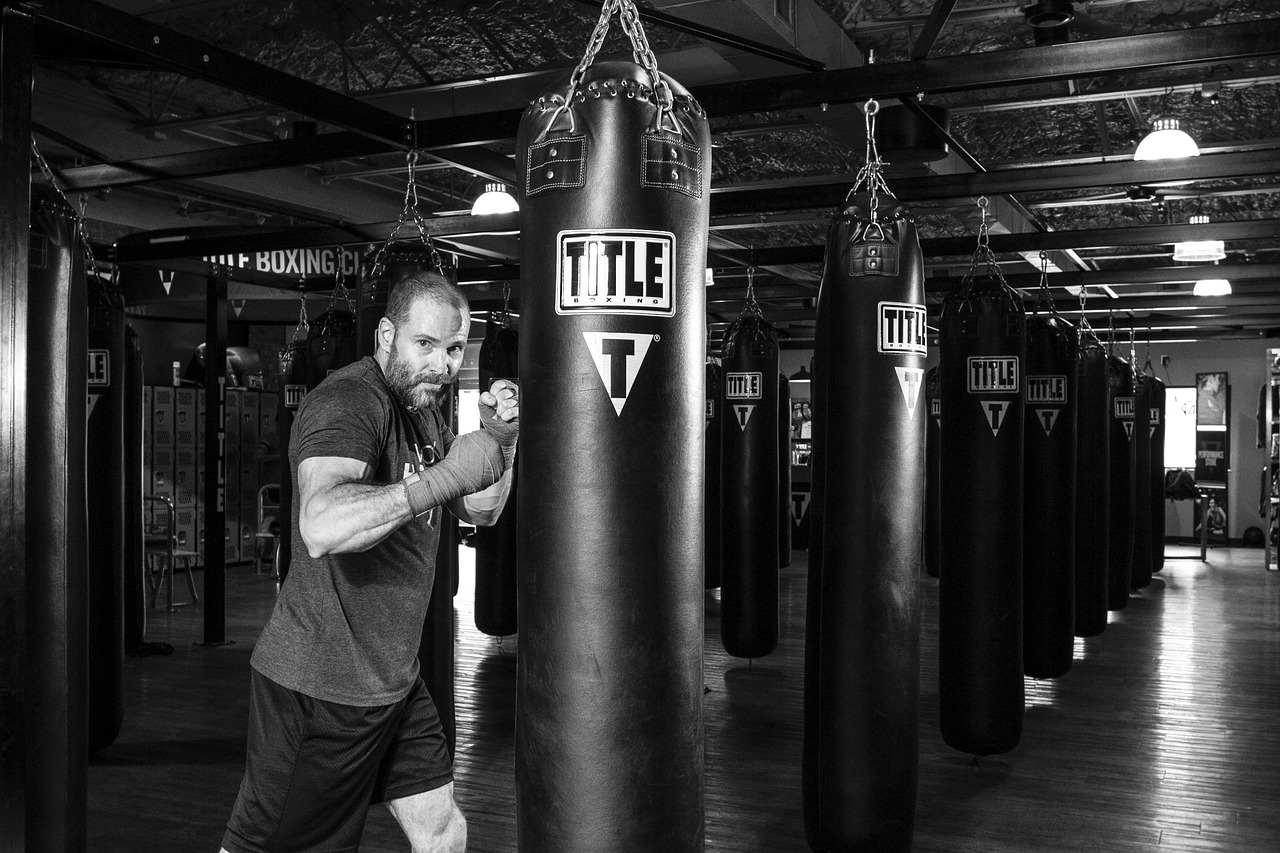
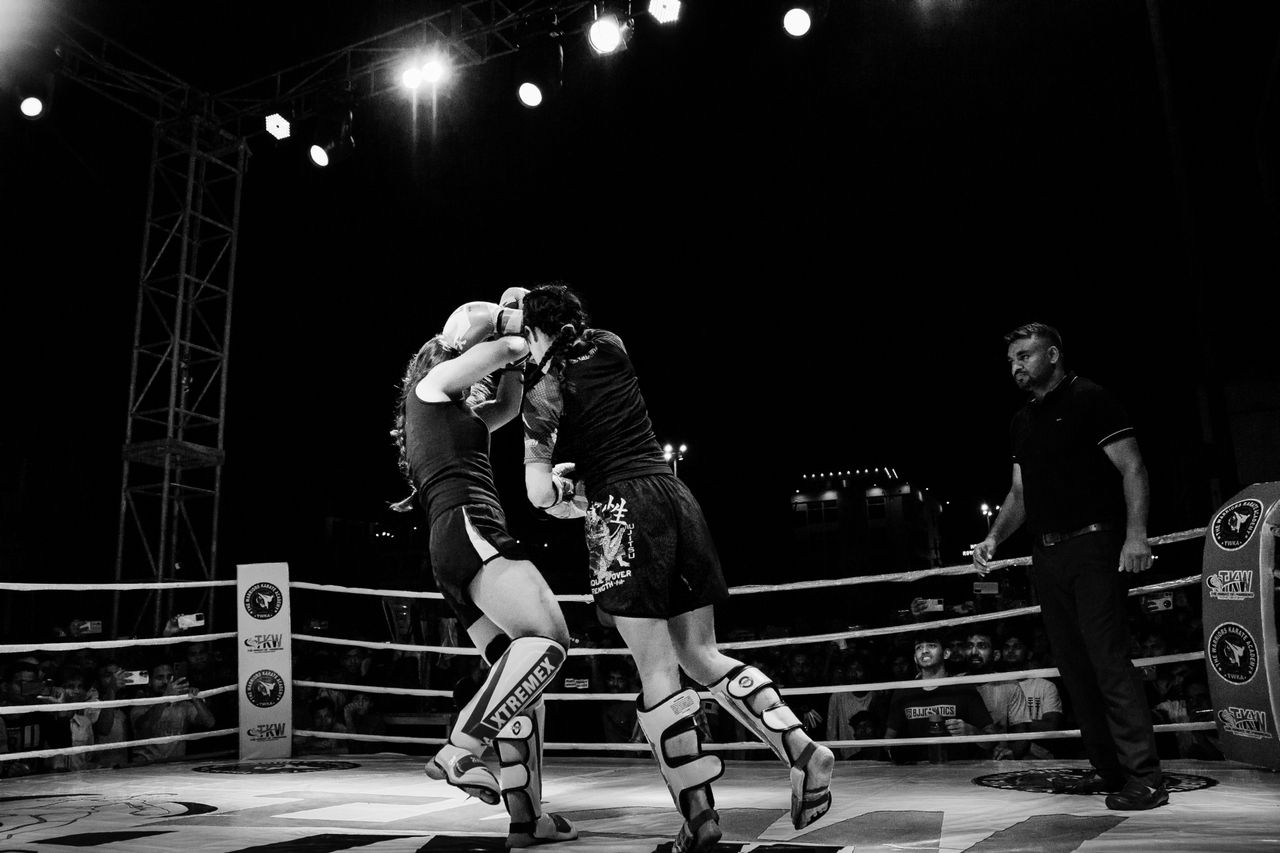
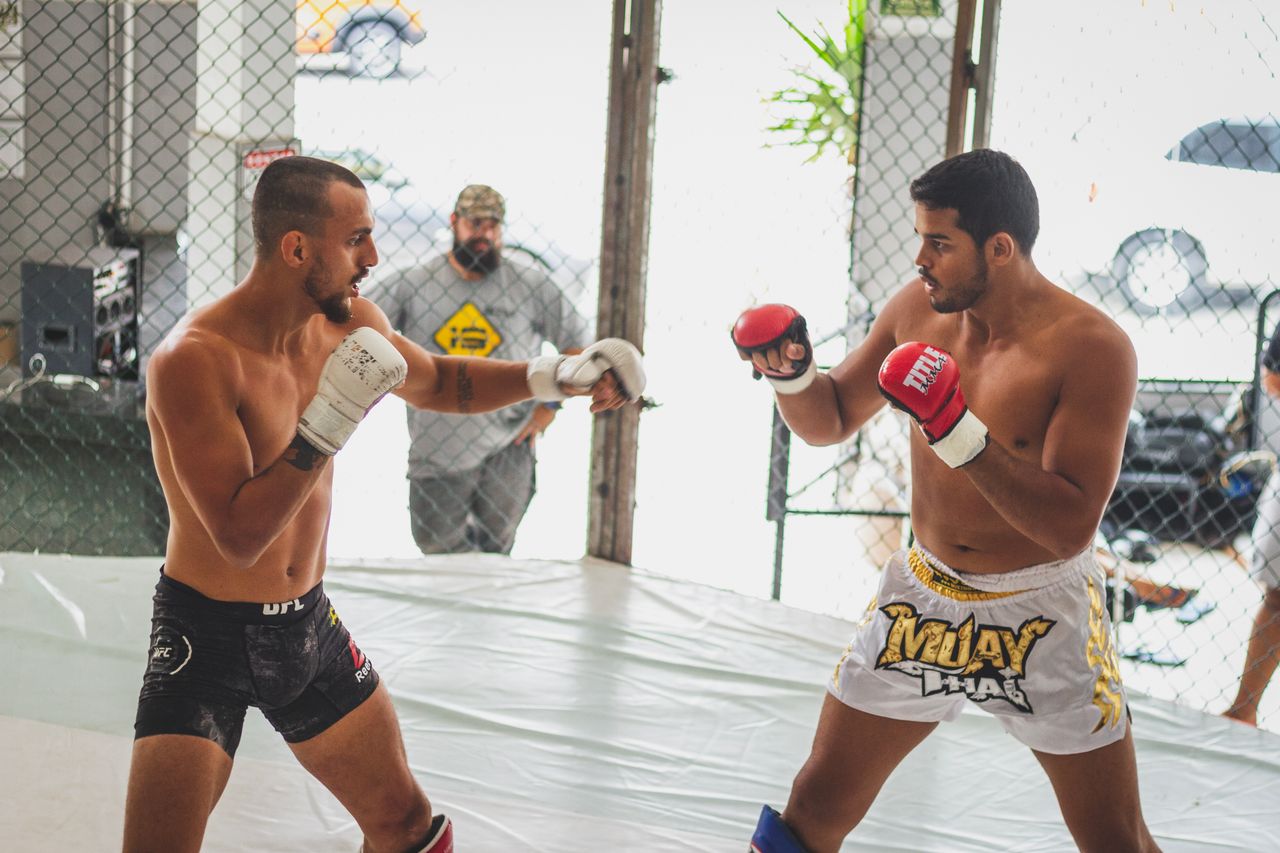
Inside Honduras, boxing remains a developing scene. The sport exists through local gyms, amateur coaches, fitness boxing, police or military-associated training environments, and regional competition, but it does not have the commercial scale of boxing in Mexico, Puerto Rico, Argentina, or the United States. Young Honduran fighters face the same issues common in smaller boxing markets: limited professional shows, fewer high-level sparring partners, travel costs, inconsistent funding, and the need to leave home for stronger competition.
That does not mean the country lacks fighting potential. Central America has long produced tough, disciplined athletes across combat sports, and Honduras has the physical talent to grow its boxing footprint if the right development channels are strengthened. Amateur tournaments are especially important because they give young fighters structure before professional boxing becomes realistic. For Honduras, the regional circuit matters. Competition against fighters from neighboring countries can help build records, test prospects, and create a bridge between local gyms and larger opportunities.
The biggest challenge is converting attention into infrastructure. López’s success gives Honduran boxing a star, but a star alone does not create a system. The country needs more consistent youth programs, better coaching support, safe gyms, and stronger connections to international amateur and professional boxing. Without that, future Honduran fighters may continue to depend heavily on migration or overseas development.
Honduras’ boxing identity is therefore still being written. It is not yet a deep boxing nation in the traditional sense, but it has a modern champion figure who has changed the conversation. Teófimo López gave Honduras a place in world boxing debates, Olympic boxing records, and major professional arenas. The next chapter depends on whether Honduran boxing can move from one famous name to a broader pipeline of fighters. If that happens, López will not only be remembered as the country’s great boxing outlier. He may be remembered as the fighter who made a larger Honduran boxing future feel possible.